
Loading, please wait...
LOT 1163
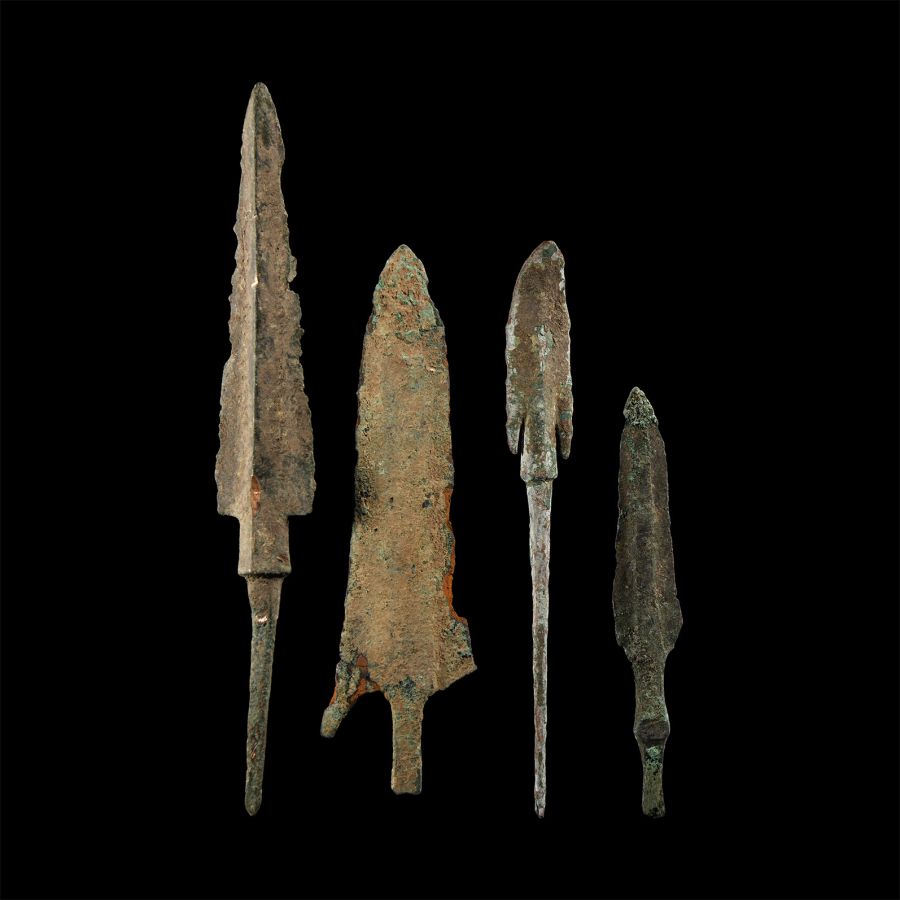
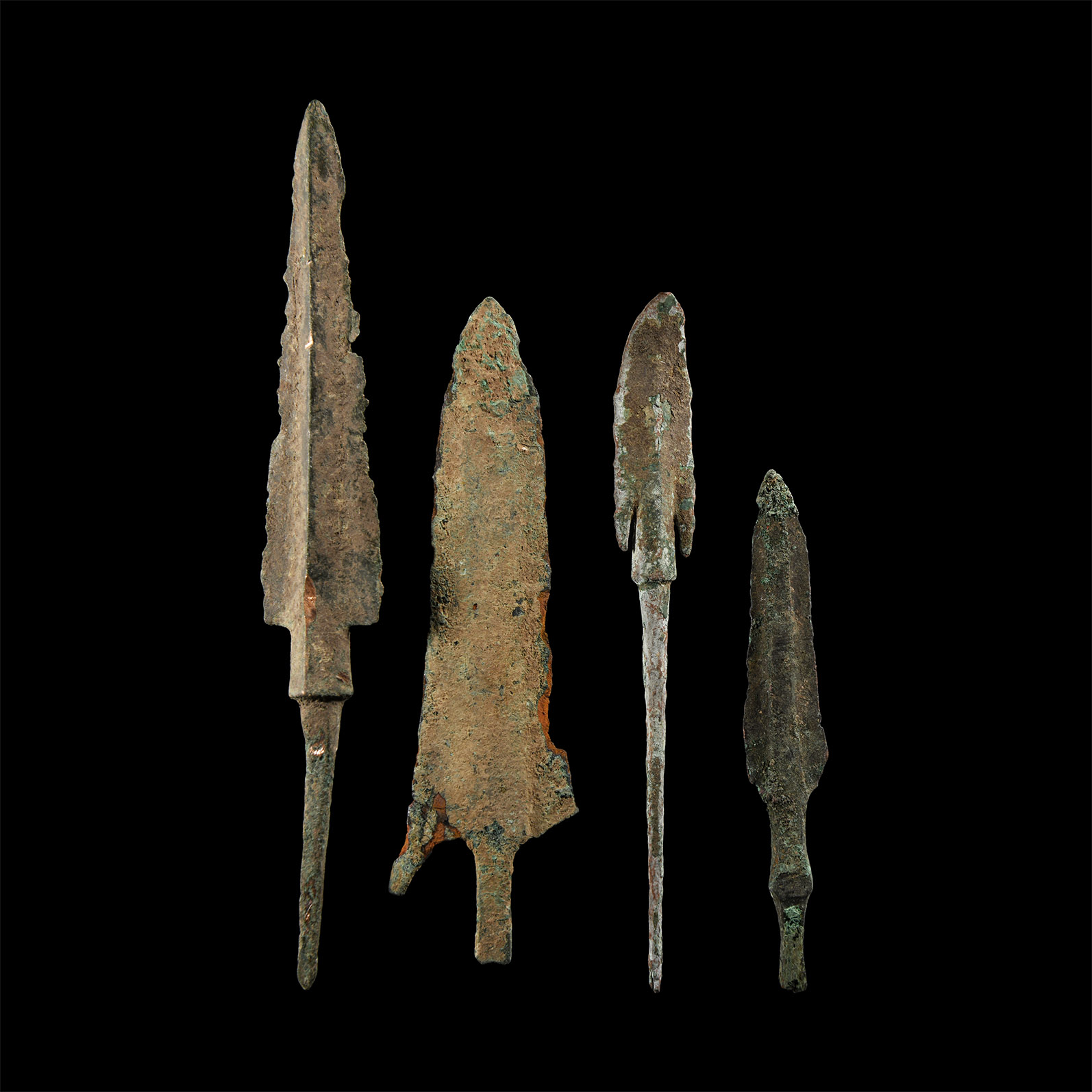
Luristan Bronze Arrowhead Group
2ND-1ST MILLENNIUM B.C.
3 3/8 - 5 3/4 in. (90 grams total, 8.7-14.5 cm).
Four tanged arrowheads of barbed and leaf-shaped types, including examples with pronounced midribs. [4, No Reserve]
ProvenanceEx G. White collection, 1990s.
CONDITIONTimeLine Auctions follows a vetting process to ensure the authenticity and legality of all items, reinforcing our commitment to integrity and responsible trading. Each antiquity, antique, and coin lot undergoes thorough examination by a vetting committee of at least ten external specialists, professional trade association members, scientists, and archaeologists: Our Vetting Process
AUCTIONS:
TimeLine is a leading auction house specialising in antiquities, ancient art, collectables, natural history, coins, medals, and books. Our auctions offer museums, collectors, historians, and enthusiasts the opportunity to acquire unique and historically significant pieces.
-
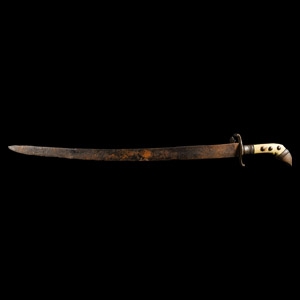
Mughal Dagger with Bone Handle
18th-19th century A.D.Estimate: £200 - 300 (+bp*)
Opening Bid: £100
The blade with a gently curved profile; handle formed as a horse's hoof with bone scales. 399 grams, 60 cm long
Acquired by the vendors father on the UK art market, before 1990. -
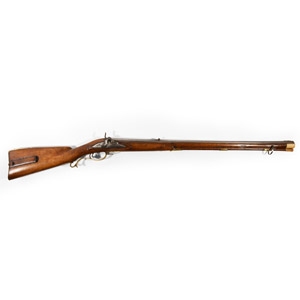
German Jager Set Trigger Percussion Rifle
1730-1830 A.D.Sold for (Inc. bp): £780
Converted from a flintlock of about 3/4" bore with lock modified having 77cm (30¾") rifled barrel swamped to muzzle with set and hair triggers, with full wood stock and shaped butt with patch compartment and sliding top and fitted with brass butt plate, trigger guard, ferrules and engraved side plates and a bone fore-end; the wood ramrod with bone tip; fitted with hinged sling loops; action working well to half cock, full cock and set. 3.70 kg, 116 cm
Acquired from M J Noble, UK, 2015. The Kusmirek Collection, UK. Accompanied by copy of an invoice and information.
Sold as an exempt item under Section 58 (2) of the Firearms Act, 1968, to be held as a curiosity or ornament. No license required but buyer must be over 18 years of age. Overseas bidders should note that, due to UK regulations governing export of all firearms, overseas buyers will need to make arrangements for shipping this lot out of the UK directly, by air freight, with a specialist company or agent. -
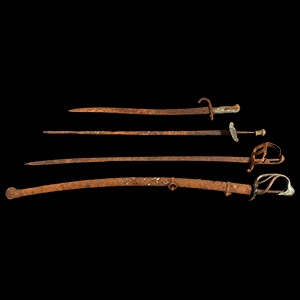
Post Medieval Iron Sword Group
18th-19th century A.D.Sold for (Inc. bp): £169
Comprising mostly military weapons: a bayonet; sabre; two swords. 3.5 kg total, 89-110 cm
Acquired 1990s-early 2000s. East Anglian private collection.
One of the swords shows analogies with post-1846 Wilkinson types, regulation steel hilt and steel scabbard with two loose rings. The Wilkinson style officers' blade was a compromise cut and thrust sabre blade with a fuller (groove), found on huge numbers of antique British military officers' swords. It replaced the pipeback blade previously used on officers' swords.
