
Loading, please wait...
LOT 1230
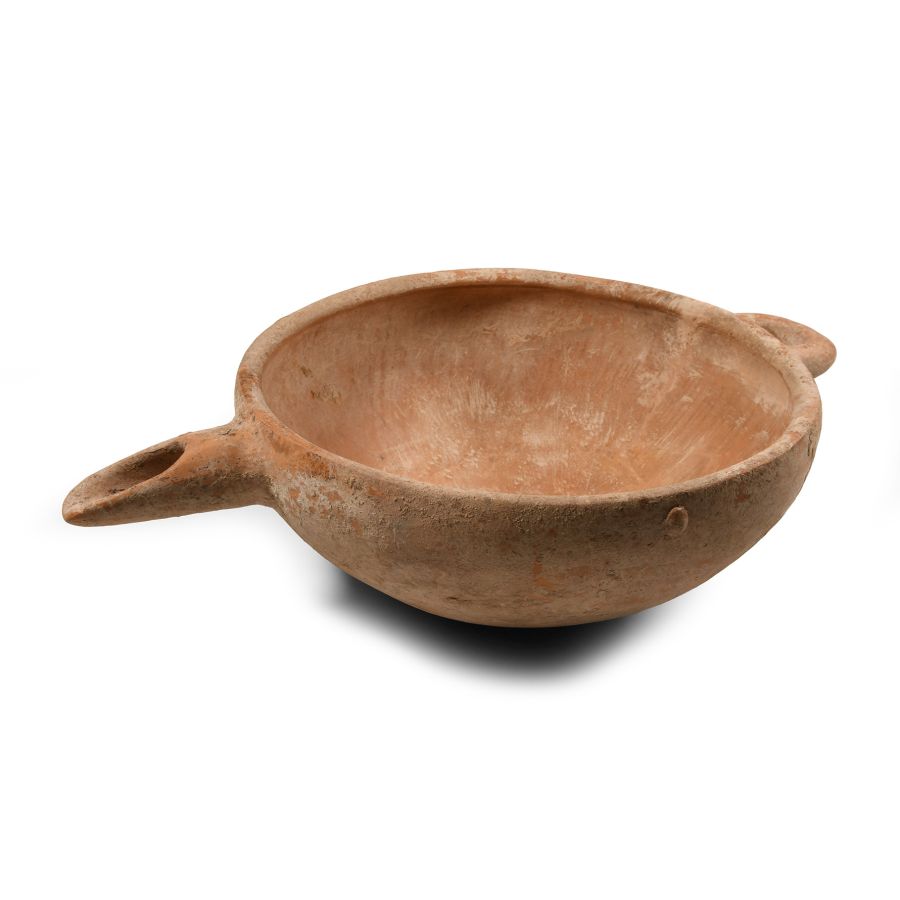
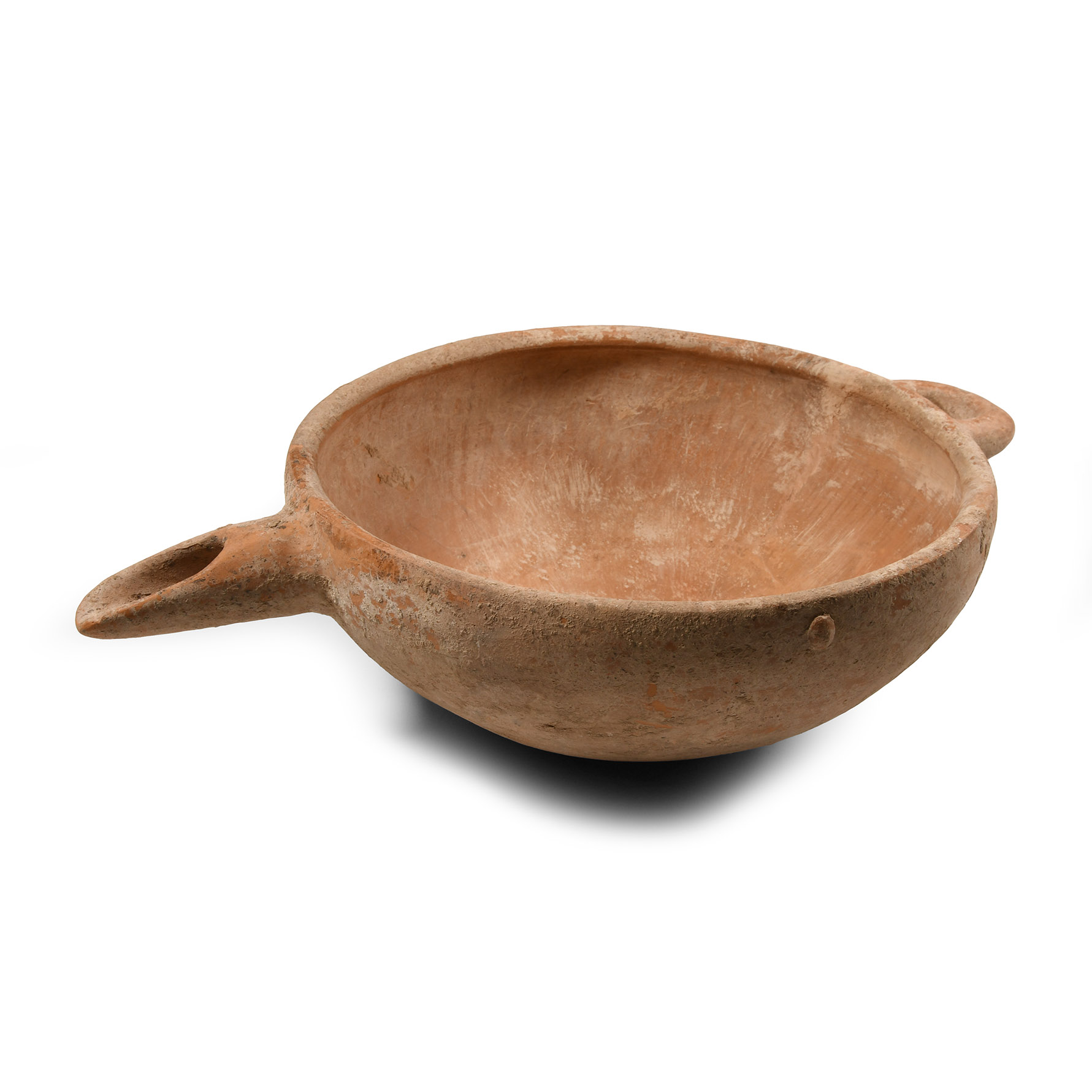
Luristan Bowl with Spout
13TH-7TH CENTURY B.C.
13 1/4 in. (891 grams, 33.5 cm wide).
Squat in profile with rounded underside and inturned rim, loop handle and tubular spout.
ProvenanceEx Mayfair gallery, London, UK, 1980s.
From a private collection, London, UK.
TimeLine Auctions follows a vetting process to ensure the authenticity and legality of all items, reinforcing our commitment to integrity and responsible trading. Each antiquity, antique, and coin lot undergoes thorough examination by a vetting committee of at least ten external specialists, professional trade association members, scientists, and archaeologists: Our Vetting Process
AUCTIONS:
TimeLine is a leading auction house specialising in antiquities, ancient art, collectables, natural history, coins, medals, and books. Our auctions offer museums, collectors, historians, and enthusiasts the opportunity to acquire unique and historically significant pieces.
LOT 1230
Luristan Bowl with Spout
Estimate £200 - 300€230 - 350 (for guidance only)$270 - 410 (for guidance only)
-
.jpg)
Western Asiatic Alabaster Bowl
Circa 1st millennium B.C. or laterSold for (Inc. bp): £98
Squat in profile with rounded underside, gently curved rim. 1.03 kg, 16 cm wide
From a collection acquired on the UK art market from various auction houses and collections mostly before 2000. From an important Cambridgeshire estate; thence by descent. -
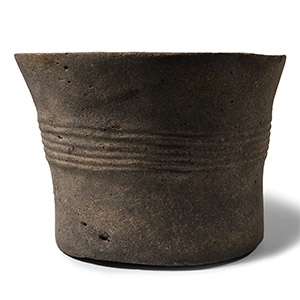
Western Asiatic Basalt Mortar with Linear Decoration
1st millennium B.C.Sold for (Inc. bp): £78
Tubular with slightly flared profile, rounded rim, five circumferential ribs above the equator. 3.6 kg, 20 cm wide
From a collection acquired on the UK art market from various auction houses and collections mostly before 2000. From an important Cambridgeshire estate; thence by descent. -
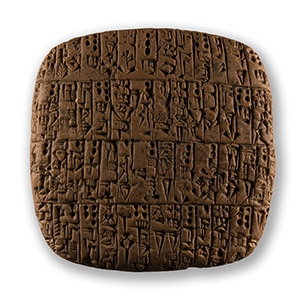
Early Dynastic Terracotta Cuneiform Administrative Tablet Recording Livestock and their Owners
IIIb, 2400-2340 B.C.Estimate: £18,000 - 24,000 (‡+bp*)
Opening Bid: £10,000
Pillow-shaped tablet with dense cuneiform text to two broad faces and one edge, concerning the listing of 146 sheep and their owners or shepherds. 202 grams, 78 mm
with Laemmle Gallery, San Vicente Boulevard, Los Angeles, USA. Acquired from the above in the early 1970s. with Bonhams, London, 13 April 2011, no.133. Private central European collection. Accompanied by copies of the relevant Bonhams catalogue pages. This lot has been checked against the Interpol Database of stolen works of art and is accompanied by a search certificate number no.12121-218147.
