
Loading, please wait...
LOT 1892
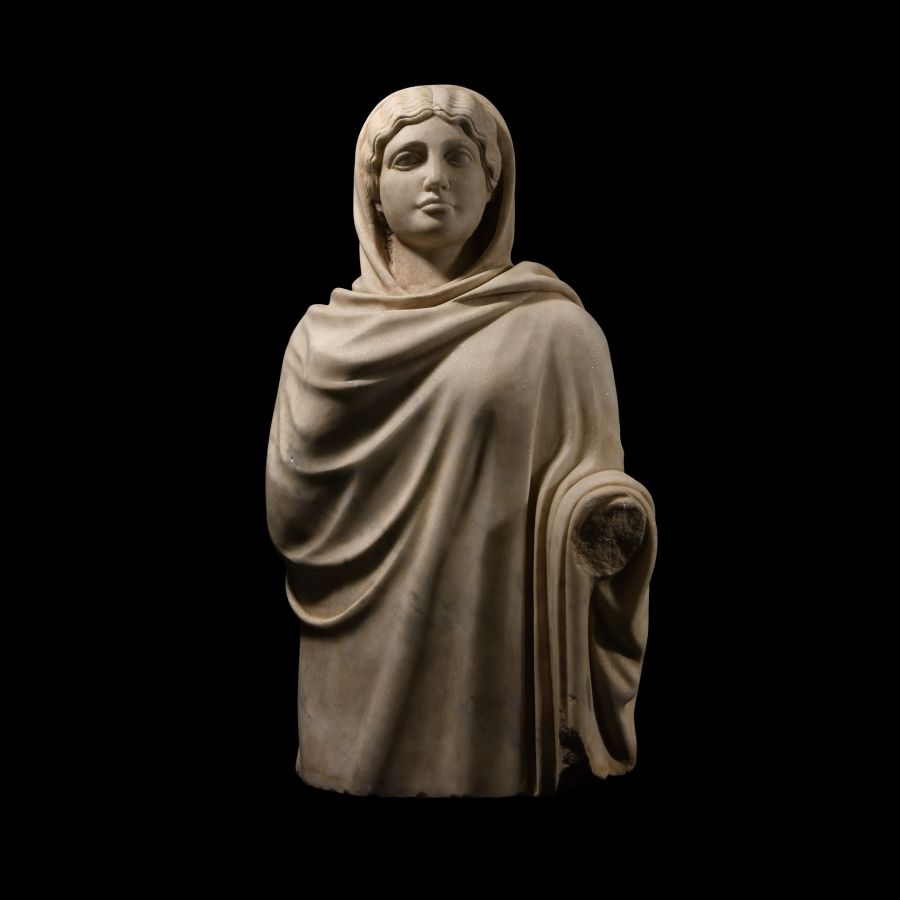
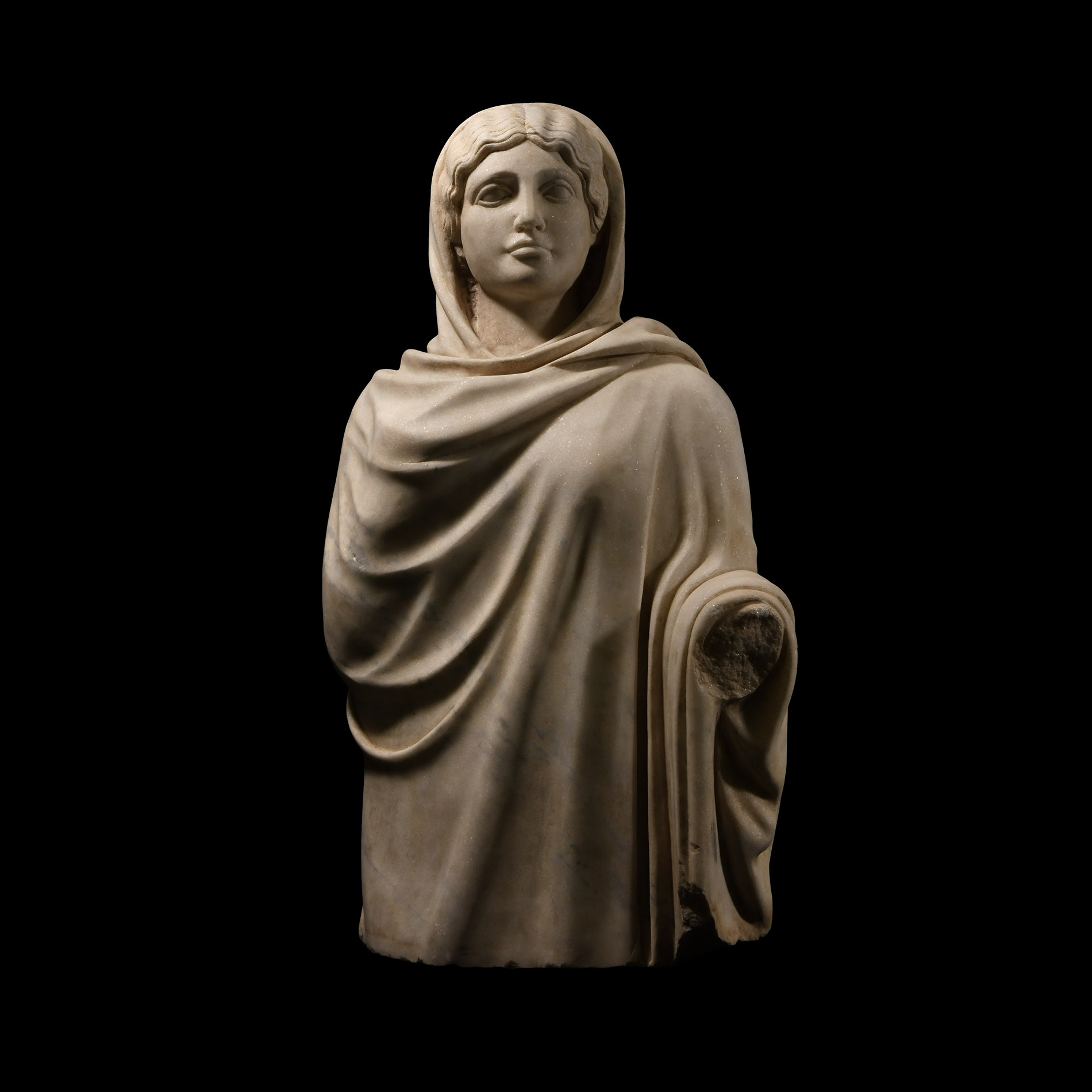
Life-Size Marble Draped Statue of Venus
19TH CENTURY A.D.
33 in. (133 kg, 84 cm high).
Comprising the upper body of a young female figure, likely the goddess Venus, shrouded in a palla mantle worn over the robe and draped over the head as a hood; the left arm bent to form folds and gatherings in the cloth, the right arm shown beneath the cloth held bent to the right breast.
ProvenanceFrench collection, 1960s-early 2000s.
From an important Paris gallery, France.
This lot has been checked against the Interpol Database of stolen works of art and is accompanied by search certificate number no.11687-199355.
In Roman mythology, Venus was the goddess of love, sex, beauty and fertility. Married to the god Vulcan, Venus's principal divine lover was Mars, with whom she was famously trapped in bed with a net by Vulcan. The goddess also had numerous mortal lovers - Adonis for example. The earliest known instance of a temple dedicated to Venus was founded on the Aventine Hill in 295 B.C. She is most closely associated with the month of April, the beginning of the season of spring.
CONDITIONTimeLine Auctions follows a vetting process to ensure the authenticity and legality of all items, reinforcing our commitment to integrity and responsible trading. Each antiquity, antique, and coin lot undergoes thorough examination by a vetting committee of at least ten external specialists, professional trade association members, scientists, and archaeologists: Our Vetting Process
AUCTIONS:
TimeLine is a leading auction house specialising in antiquities, ancient art, collectables, natural history, coins, medals, and books. Our auctions offer museums, collectors, historians, and enthusiasts the opportunity to acquire unique and historically significant pieces.
LOT 1892
Life-Size Marble Draped Statue of Venus
Estimate £2,500 - 3,500€2,900 - 4,060 (for guidance only)$3,380 - 4,730 (for guidance only)
-
Copper-Alloy Artefact Group
20th century A.D. and earlierSold for (Inc. bp): £20
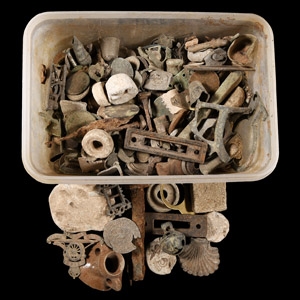
Comprising: buttons; coins; a bone comb; buckles; weights; tokens; musket balls; thimbles and other miscellaneous items. 4.5 kg total, 1-10 cm
Acquired 1990s-early 2000s. East Anglian private collection. -
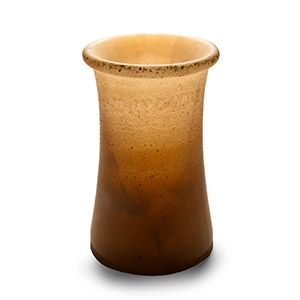
Bactrian Style Alabaster Jar
20th century A.D.Sold for (Inc. bp): £117
Carved with tapering sidewalls and rolled rim; slightly rounded base. 1.7 kg, 19.5 cm high
Property of a North London, UK, gentleman. -
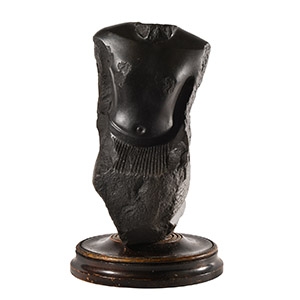
Egyptian Style Basalt Torso of a Pharaoh
19th-20th century A.D.Sold for (Inc. bp): £1,365
Seated and bare-chested, wearing a pleated kilt, arms to the sides and hands resting on the knees; mounted on a wooden display stand. 11.2 kg total, 35 cm high including stand
Acquired 1970s onwards. Private collection of Michael O'Hara, Cambridgeshire, UK. Ex private collection of Benjamin Hyde-Smith, Hertfordshire, UK.
