
Loading, please wait...
LOT 0660
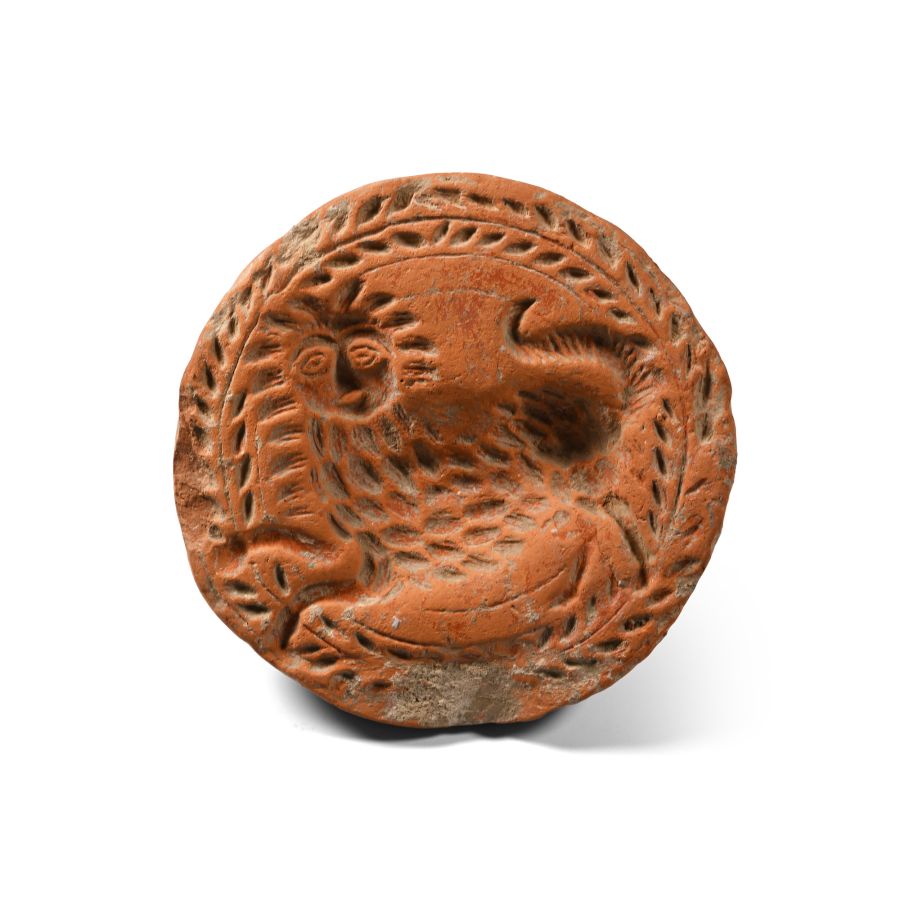
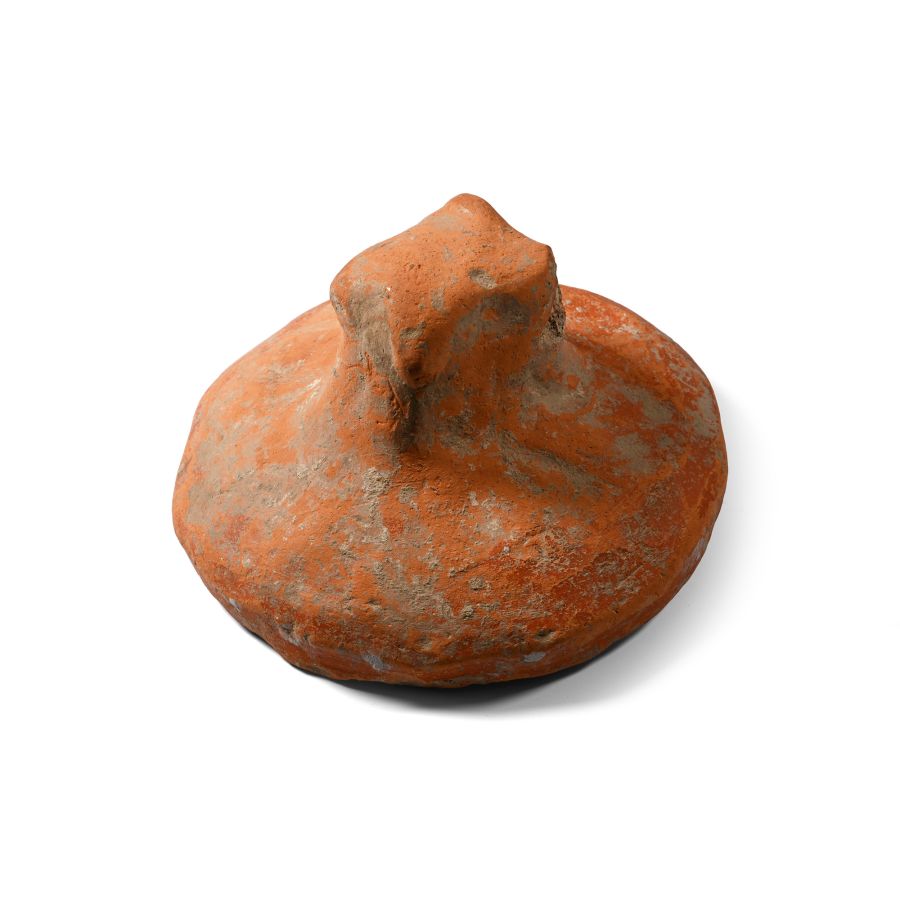
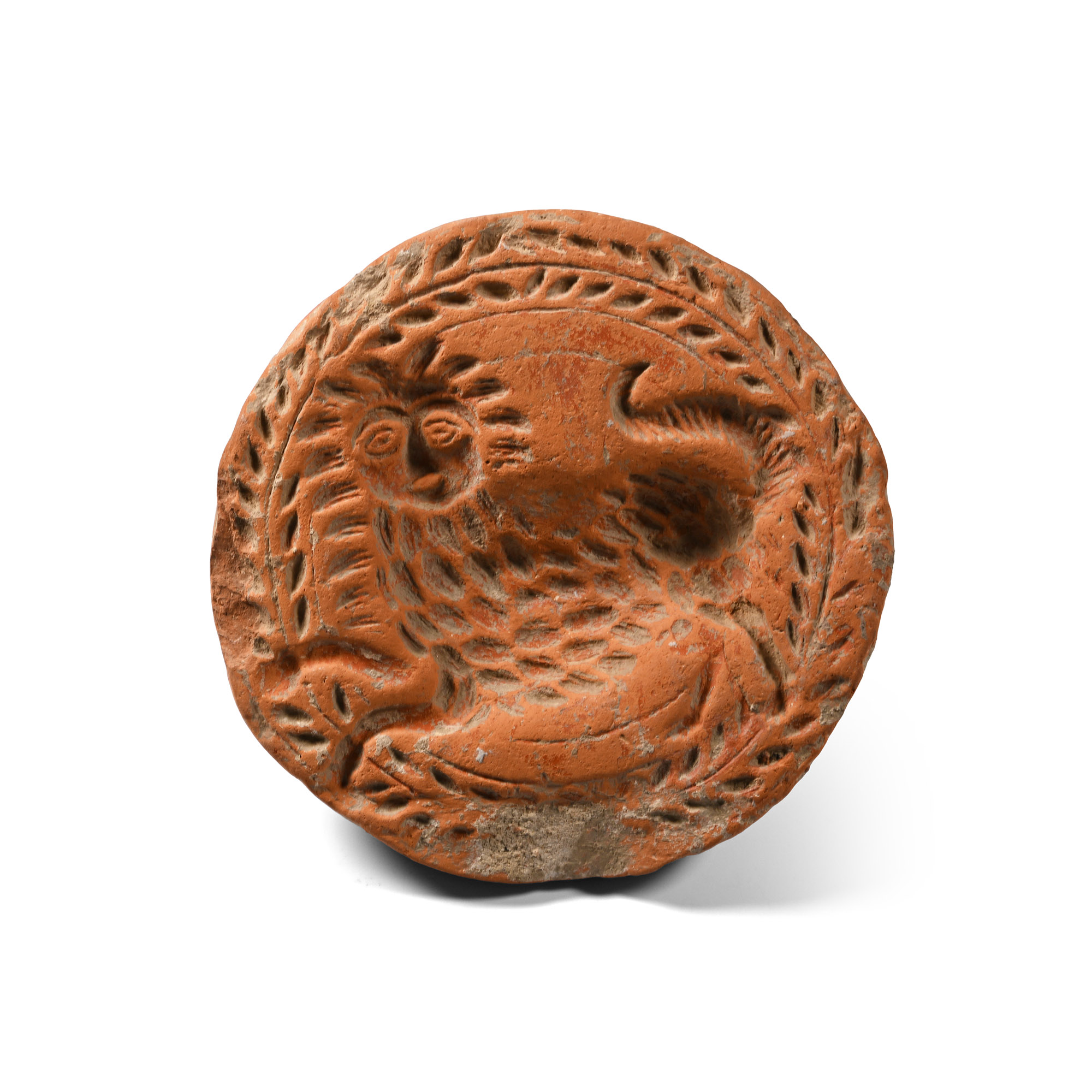
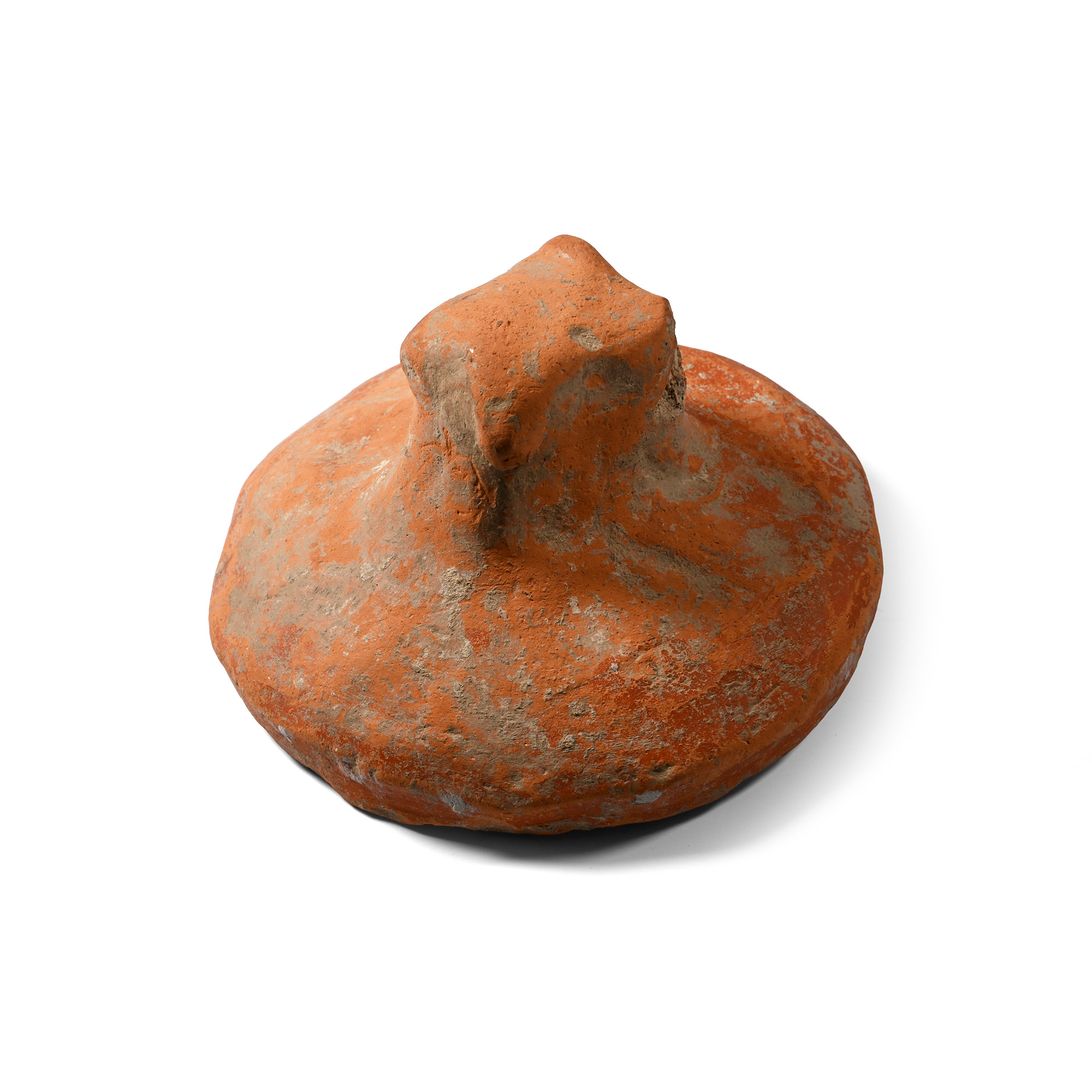
Late Roman Terracotta Bread Stamp with Lion
4TH-6TH CENTURY A.D.
4 3/8 in. (393 grams, 11.2 cm wide).
Discoid in plan with integral stub handle, central figure of a stylised leaping lion with its head turned, wreath surrounding.
Provenancewith Galerie Rhéa, Zurich, Switzerland.
This lot is accompanied by an illustrated lot declaration signed by the Head of the Antiquities Department, Dr Raffaele D'Amato.
TimeLine Auctions follows a vetting process to ensure the authenticity and legality of all items, reinforcing our commitment to integrity and responsible trading. Each antiquity, antique, and coin lot undergoes thorough examination by a vetting committee of at least ten external specialists, professional trade association members, scientists, and archaeologists: Our Vetting Process
AUCTIONS:
TimeLine is a leading auction house specialising in antiquities, ancient art, collectables, natural history, coins, medals, and books. Our auctions offer museums, collectors, historians, and enthusiasts the opportunity to acquire unique and historically significant pieces.
-
Roman Glass Jar with Zig-Zag Trail
4th century A.D.Sold for (Inc. bp): £312
Squat with a wide everted rim and broad base indented towards the centre; applied zig-zag trail connecting the flange rim to the shoulder, seven pinched projections below; green weathering and some iridescence. 93 grams, 78 mm wide
Acquired from a North London, UK, gentleman. Ex Times Ancient, Bristol, UK, with stock no.K422. This lot is accompanied by an illustrated lot declaration signed by the Head of the Antiquities Department, Dr Raffaele D'Amato. -
Roman Bronze Ring with Cabochon
2nd-4th century A.D.Sold for (Inc. bp): £39
Slender hoop with wide fluted shoulders, stepped hexagonal bezel set with a glass cabochon. 4.83 grams, 20.41 mm overall, 15.37 mm internal diameter (approximate size British F 1/2, USA 3, Europe 4.3, Japan 4)
Ex German art market, 2000s. Acquired from an EU collector living in London. From the collection of a Surrey, UK, gentleman. This lot is accompanied by an illustrated lot declaration signed by the Head of the Antiquities Department, Dr Raffaele D'Amato. -
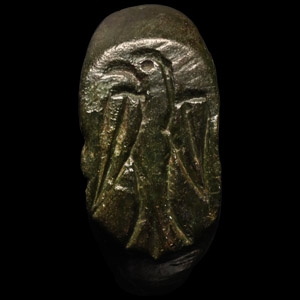
Late Roman Bronze Ring with Eagle
4th-5th century A.D.Sold for (Inc. bp): £111
Comprising a D-section hoop and oval bezel with splayed eagle. 4.54 grams, 22.42 mm overall, 19.23 mm internal diameter (approximate size British S, USA 9, Europe 20, Japan 19)
Ex German art market, 2000s. Acquired from an EU collector living in London. From the collection of a Surrey, UK, gentleman. This lot is accompanied by an illustrated lot declaration signed by the Head of the Antiquities Department, Dr Raffaele D'Amato.
