
Loading, please wait...
LOT 0861
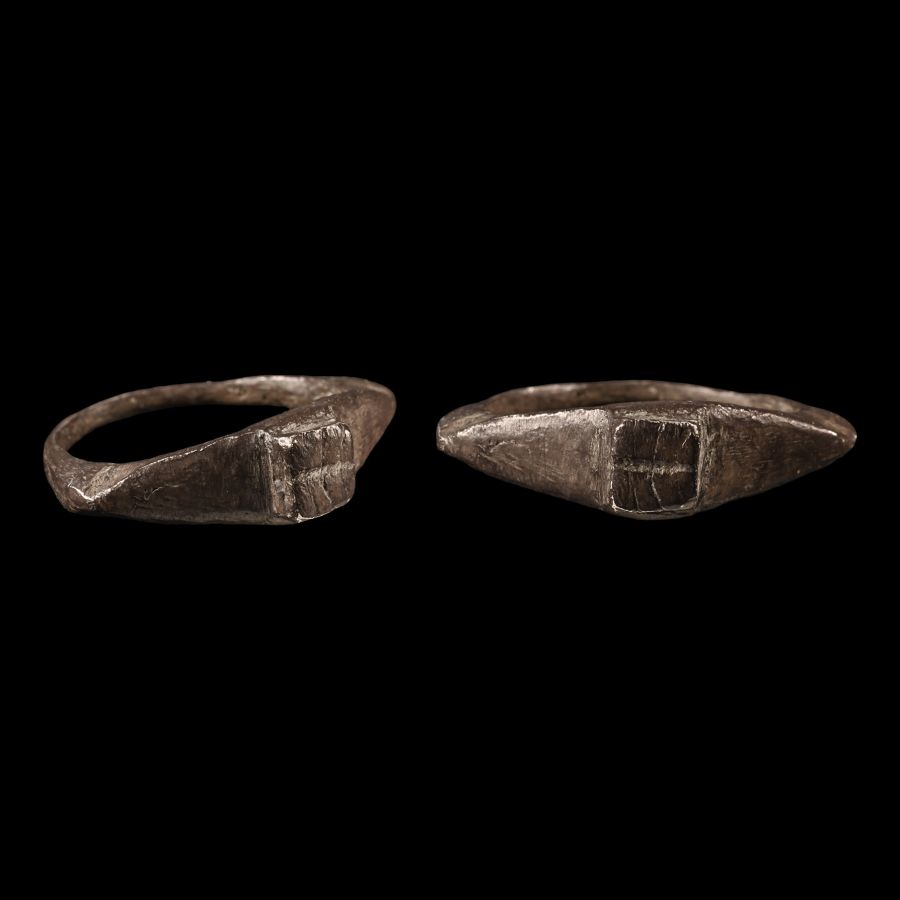
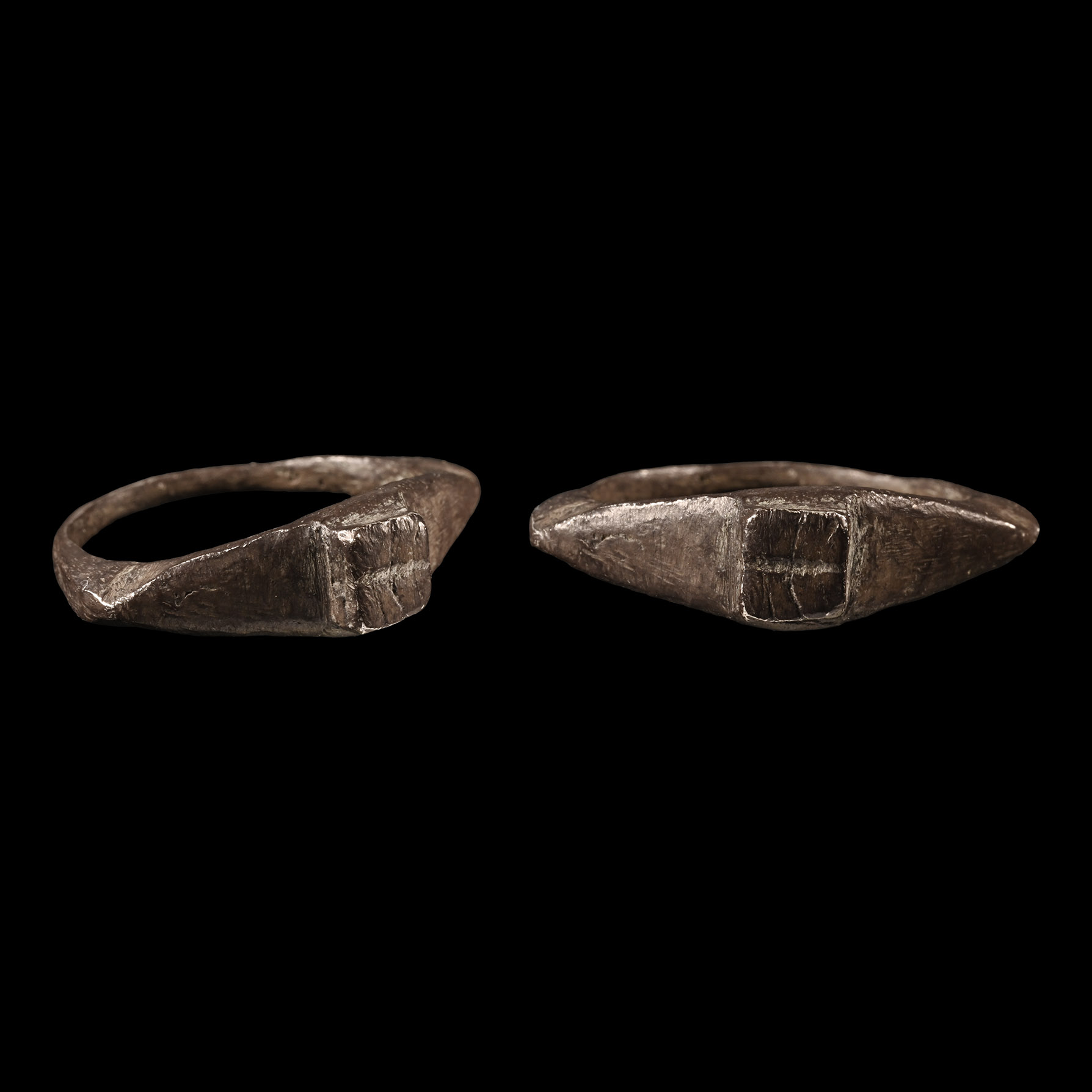
Late Roman Silver Ring with Cross
4TH-6TH CENTURY A.D.
1 in. (2.98 grams, 23.35 mm overall, 17.22 mm internal diameter (approximate size British L, USA 5 3/4, Europe 11.24, Japan 10)).
With angular shoulders expanding towards the rectangular bezel, the bezel with an incised cross motif.
ProvenanceFrom the property of late Mr SM, London, UK, 1969-1999.
Accompanied by an old collection ticket.
TimeLine Auctions follows a vetting process to ensure the authenticity and legality of all items, reinforcing our commitment to integrity and responsible trading. Each antiquity, antique, and coin lot undergoes thorough examination by a vetting committee of at least ten external specialists, professional trade association members, scientists, and archaeologists: Our Vetting Process
AUCTIONS:
TimeLine is a leading auction house specialising in antiquities, ancient art, collectables, natural history, coins, medals, and books. Our auctions offer museums, collectors, historians, and enthusiasts the opportunity to acquire unique and historically significant pieces.
LOT 0861
Late Roman Silver Ring with Cross
Estimate £100 - 140€120 - 160 (for guidance only)$140 - 190 (for guidance only)
-
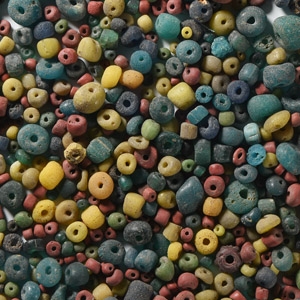
Roman and Other Mixed Glass Bead Group
1st-4th century A.D. and laterSold for (Inc. bp): £130
Mainly spherical, drum-shaped, annular and other types, including some 'trade wind beads'. 160 grams total, 2-12 mm
From the private collection of the late Mrs Belinda Ellison, a long time member of the Egyptian Exploration Society, c.1940-2020. -
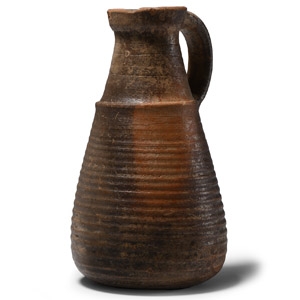
Roman Brown Ware Ribbed Jug
Circa 2nd century A.D.Sold for (Inc. bp): £124
Conical in profile with dimple base, ribbed lower body, ledge to the shoulder, strap handle, thick rim. 254 grams, 14.6 cm
From a collection acquired on the UK art market from various auction houses and collections mostly before 2000. From an important Cambridgeshire estate; thence by descent. -
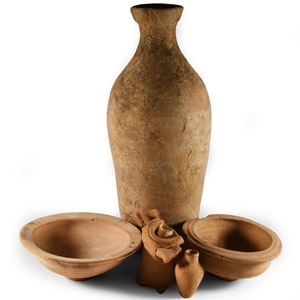
Romano-British Mixed Pottery Sherd Group
3rd century B.C.-1st century A.D.Sold for (Inc. bp): £130
Including a bell-shaped amphora, bowl with carinated profile and other items. 4.6 kg total, 6.5-40 cm
Found UK. From the collection of a late East Anglian teacher and antiquarian who retired to the Isle of Wight in Hampshire, UK. He amassed a large collection of objects between the 1960s-1980s.
