
Loading, please wait...
LOT 0685
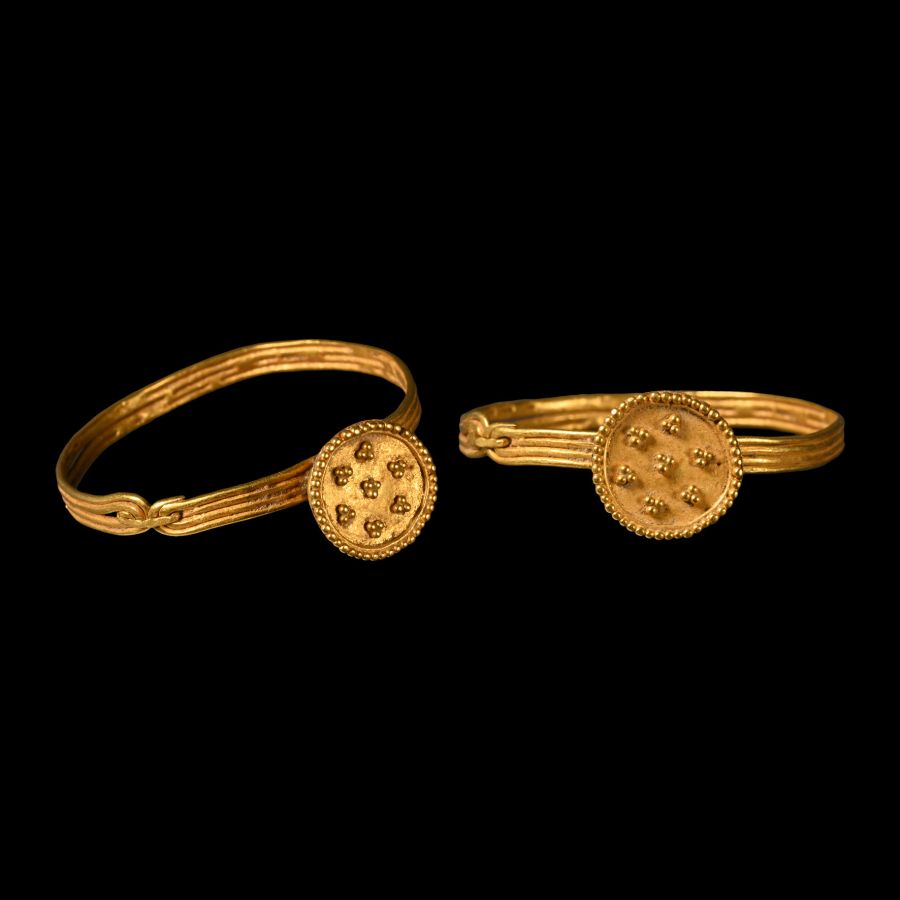
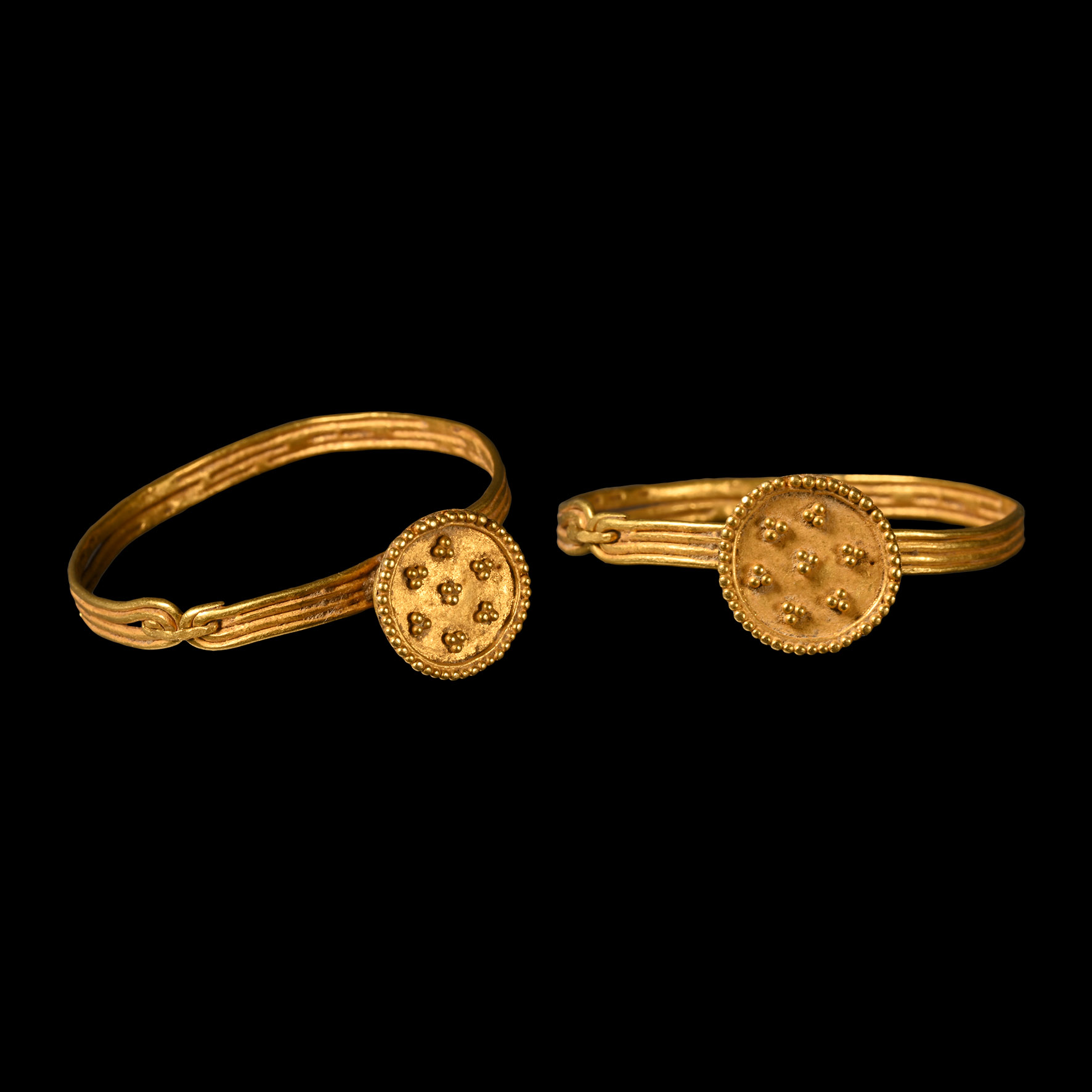
Late Roman Gold Bracelet for a Baby
CIRCA 4TH-6TH CENTURY A.D.
1 1/2 in. (4.58 grams, 37 mm).
Comprising a penannular band formed of four wires soldered together, the rounded ends joined together with a simple loop; raised conical bezel with discoid face, set with seven granule clusters; Eastern Empire.
ProvenanceFrom a private family collection formed in the 1970s.
CONDITIONTimeLine Auctions follows a vetting process to ensure the authenticity and legality of all items, reinforcing our commitment to integrity and responsible trading. Each antiquity, antique, and coin lot undergoes thorough examination by a vetting committee of at least ten external specialists, professional trade association members, scientists, and archaeologists: Our Vetting Process
AUCTIONS:
TimeLine is a leading auction house specialising in antiquities, ancient art, collectables, natural history, coins, medals, and books. Our auctions offer museums, collectors, historians, and enthusiasts the opportunity to acquire unique and historically significant pieces.
-
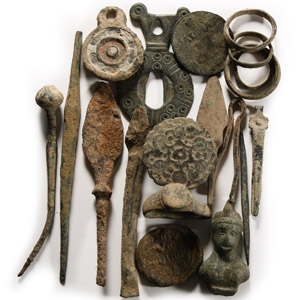
Roman and Later Bronze Artefact Collection
Mainly 1st-3rd century A.D.Sold for (Inc. bp): £104
Including bust of Victory pendant, tanged arrowhead, rosette belt slider, finger rings and other items. 145 grams total, 17-99 mm
Ex Nigel Mills, London, UK. -
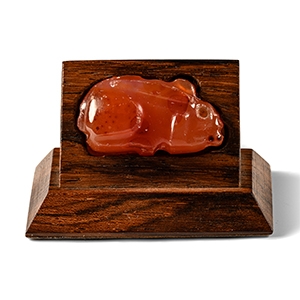
Roman Carnelian Hare Amulet
Circa 1st-2nd century A.D.Estimate: £800 - 1,000 (+bp*)
Opening Bid: £300
Carved in the round with sockets to the eyes for insertion of a contrasting material; mounted in a wooden stand. 19 grams total, 27 mm
French private collection. UK art market. Property of a London gentleman. -
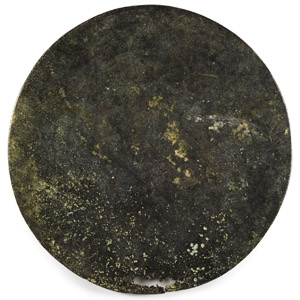
Roman Bronze Mirror
1st-2nd century A.DSold for (Inc. bp): £72
Discoid plaque with one polished face, slightly raised rim; cracked. 100 grams, 11.5 cm
From a collection acquired on the UK art market from various auction houses and collections mostly before 2000. From an important Cambridgeshire estate; thence by descent.
