
Loading, please wait...
LOT 1000
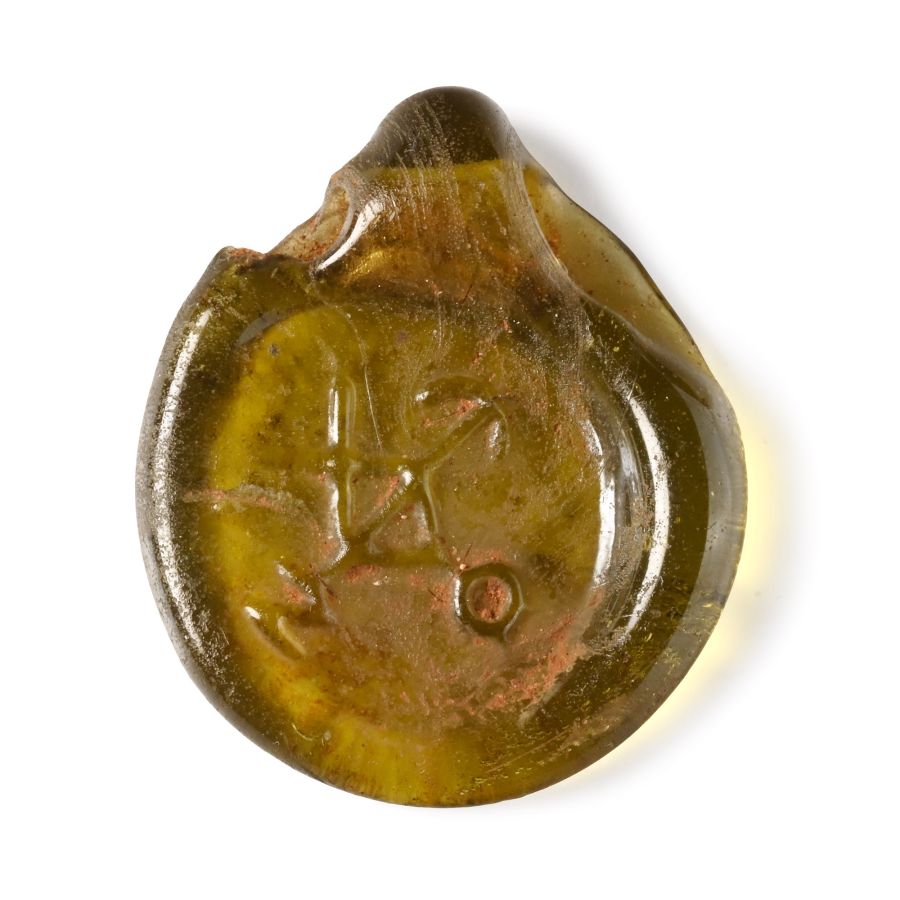
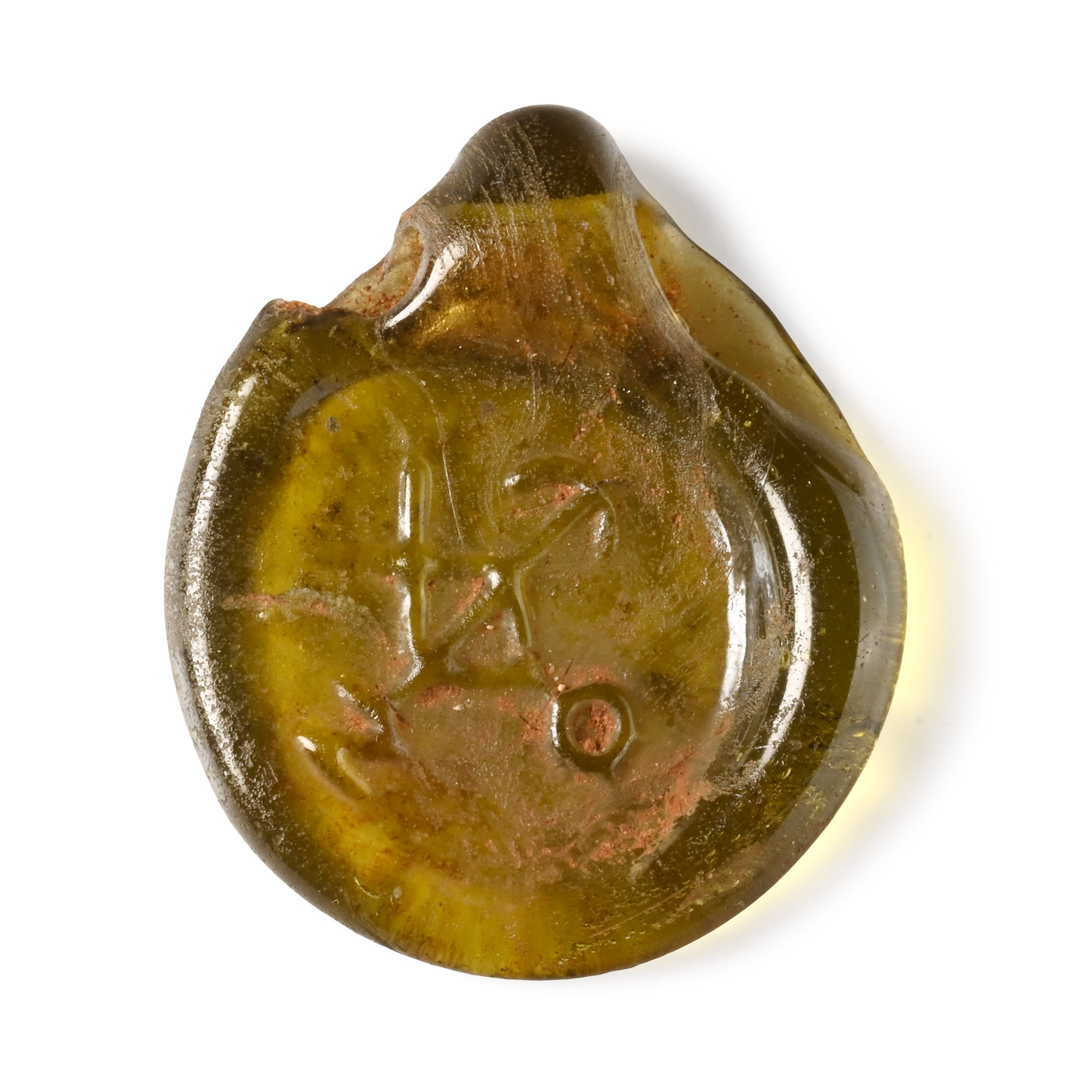
Late Roman Glass Pendant
5TH-7TH CENTURY A.D.
1 in. (2.27 grams, 24 mm).
Discoid with impressed monogram of omega surrounded by 'EON' legend.
ProvenanceFrom the private collection of the late Mr S.M., 1969-1999.
CONDITIONTimeLine Auctions follows a vetting process to ensure the authenticity and legality of all items, reinforcing our commitment to integrity and responsible trading. Each antiquity, antique, and coin lot undergoes thorough examination by a vetting committee of at least ten external specialists, professional trade association members, scientists, and archaeologists: Our Vetting Process
AUCTIONS:
TimeLine is a leading auction house specialising in antiquities, ancient art, collectables, natural history, coins, medals, and books. Our auctions offer museums, collectors, historians, and enthusiasts the opportunity to acquire unique and historically significant pieces.
-
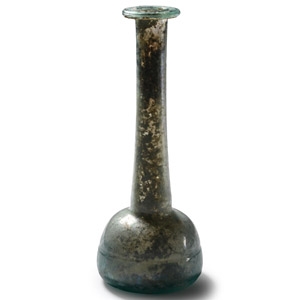
Roman Glass Unguentarium
1st-3rd century A.D.Estimate: £120 - 170 (+bp*)
Opening Bid: £65
With plano-convex body and dimple base, tall slender neck, folded rim; iridescent green surface. 78 grams, 15 cm
From an important London collection of glass, 1990s. This lot is accompanied by an illustrated lot declaration signed by the Head of the Antiquities Department, Dr Raffaele D'Amato.
This kind of toilet bottle was called ‘candlestick unguentarium’ by the academics due to the shape of its neck. This specific type, with its transparent grayish green glass, is especially found in Roman Cyprus (Hayes's fabric 2 of Cypriot blown glass). -
.jpg)
Roman Silver Hercules Club
1st-4th century A.D.Sold for (Inc. bp): £130
Tubular body with piriform bosses, double collar beneath six tongue-shaped petals, domed finial with knop above. 26.5 grams, 56 mm
Ex German art market, 2000s. Acquired from an EU collector living in London. From the collection of a Surrey, UK, gentleman. -
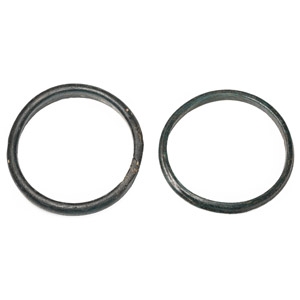
Roman Blue Glass Bangle Pair
1st-4th century A.D.Estimate: £100 - 140 (+bp*)
Opening Bid: £50
Each elliptical in section in blue-tinted glass. 34 grams total, 70-71 mm
Acquired on the UK art market in the late 20th century A.D. From the private collection of the late David King (1940-2024), Hoddesdon, Hertfordshire, UK.
