
Loading, please wait...
LOT 0950
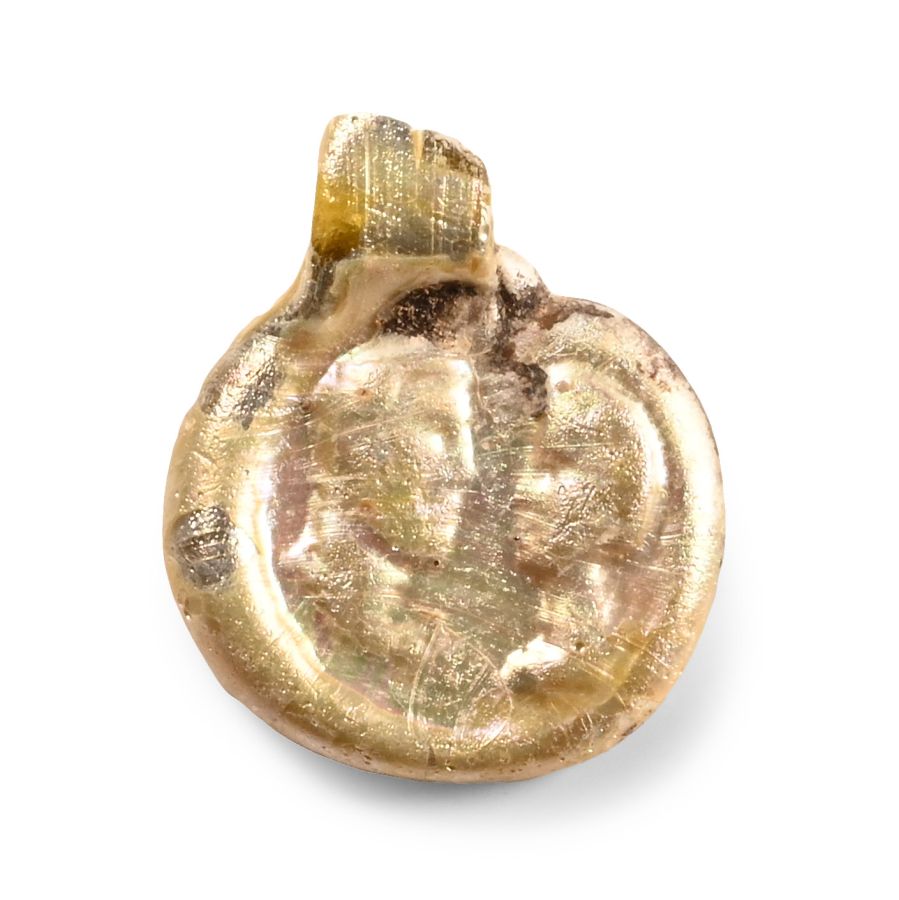
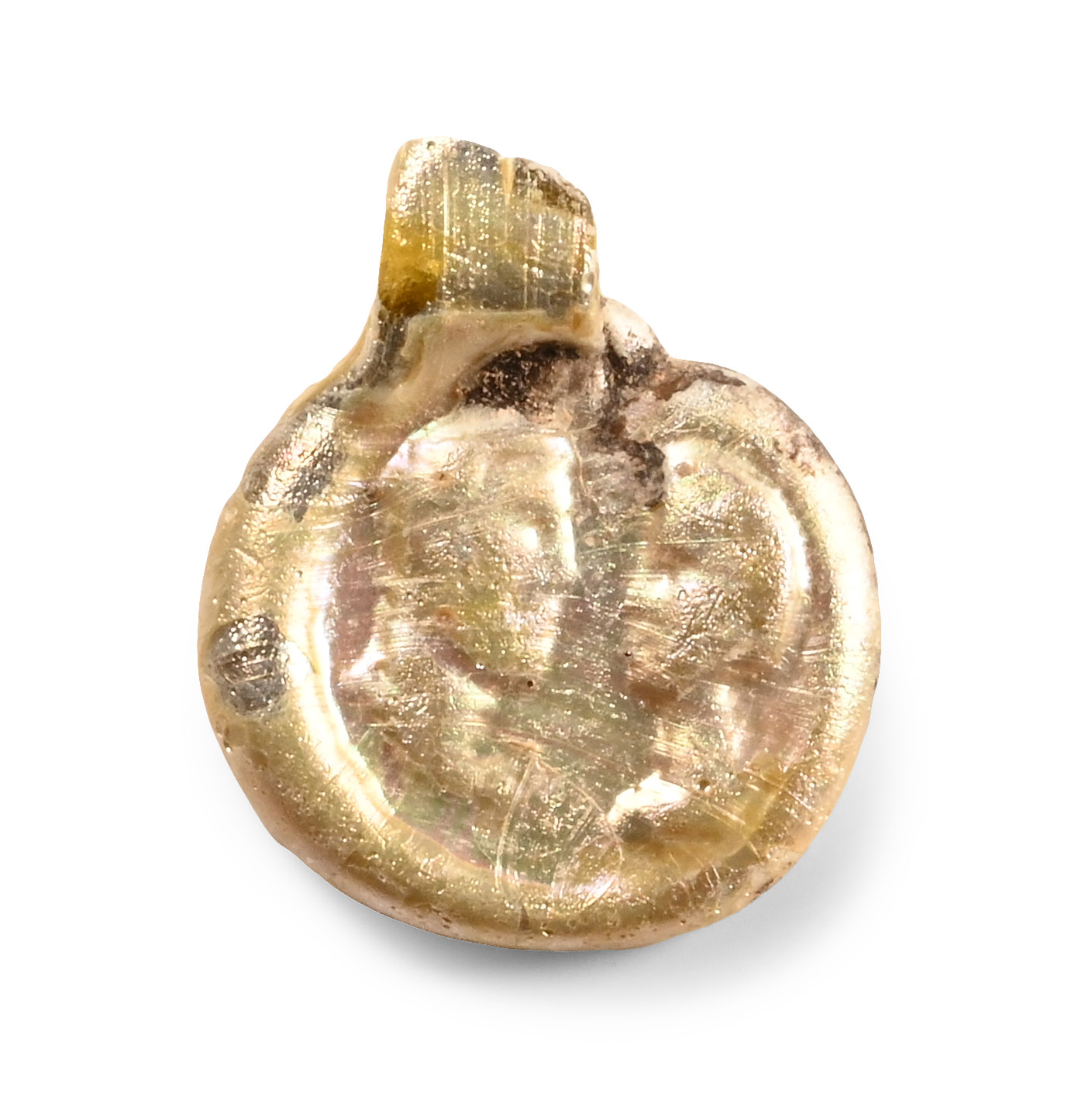
Late Roman Glass Pendant with Facing Busts
MID 4TH-EARLY 5TH CENTURY A.D.
5/8 in. (0.68 grams, 16 mm).
Iridescent glass with impressed image of opposed male and female busts.
ProvenanceCollected from 1970-1999.
From the collection of the late Mr S.M., London, UK.
TimeLine Auctions follows a vetting process to ensure the authenticity and legality of all items, reinforcing our commitment to integrity and responsible trading. Each antiquity, antique, and coin lot undergoes thorough examination by a vetting committee of at least ten external specialists, professional trade association members, scientists, and archaeologists: Our Vetting Process
AUCTIONS:
TimeLine is a leading auction house specialising in antiquities, ancient art, collectables, natural history, coins, medals, and books. Our auctions offer museums, collectors, historians, and enthusiasts the opportunity to acquire unique and historically significant pieces.
-
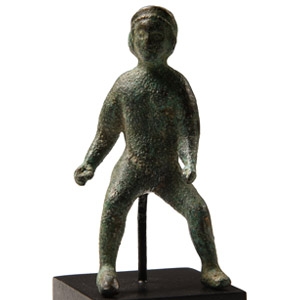
Gallo-Roman Bronze Rider Statuette
1st-2nd century A.D.Sold for (Inc. bp): £286
Modelled nude with legs thrust forward, left arm forward from the body, right arm held to the rear with hand forming a fist, diadem to the brow; mounted on a custom-made stand. 71 grams total, 78 mm including stand
From a collection acquired on the UK art market from various auction houses and collections mostly before 2000. From an important Cambridgeshire estate; thence by descent.
Unlike the British Museum statuette, our figure is represented in the heroic nudity of the warrior on horseback, even if the position is identical. It is very likely that the statuette represents one of the Dioscuri, Castor and Pollux, and perhaps it was part of a pair of twins on horseback. -
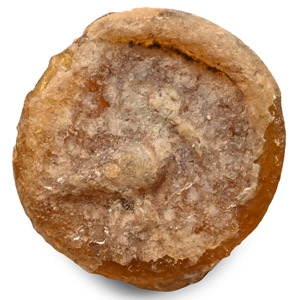
Late Roman Glass Pendant with Ibis
Circa 2nd-5th century A.D.Sold for (Inc. bp): £117
Discoid with raised rim, impressed image of an ibis advancing. 1 grams, 16 mm
Collected from 1970-1999. From the collection of the late Mr S.M., London, UK. -

Roman Bronze Bell
1st-2nd century A.D.Sold for (Inc. bp): £143
Trapezoidal in section with loop to the apex, pierced to accept a clapper; many of these objects are published in the Detector Finds book series. 137 grams, 68 mm
From the collection of the famous author, writer and speaker, Gordon Bailey, Essex, UK; formed since 1968.
The bell was probably used inside a temple where its melodic sound was thought to add to the aura of reverence and mystery. In Mithraic temples, bells were rung as part of the ceremonial, while in the cult of Attis the bell and tympanum were also used to serve food and drink as the critical part of the rituals of consumption. One Roman order of priests applied the term
