
Loading, please wait...
LOT 0989
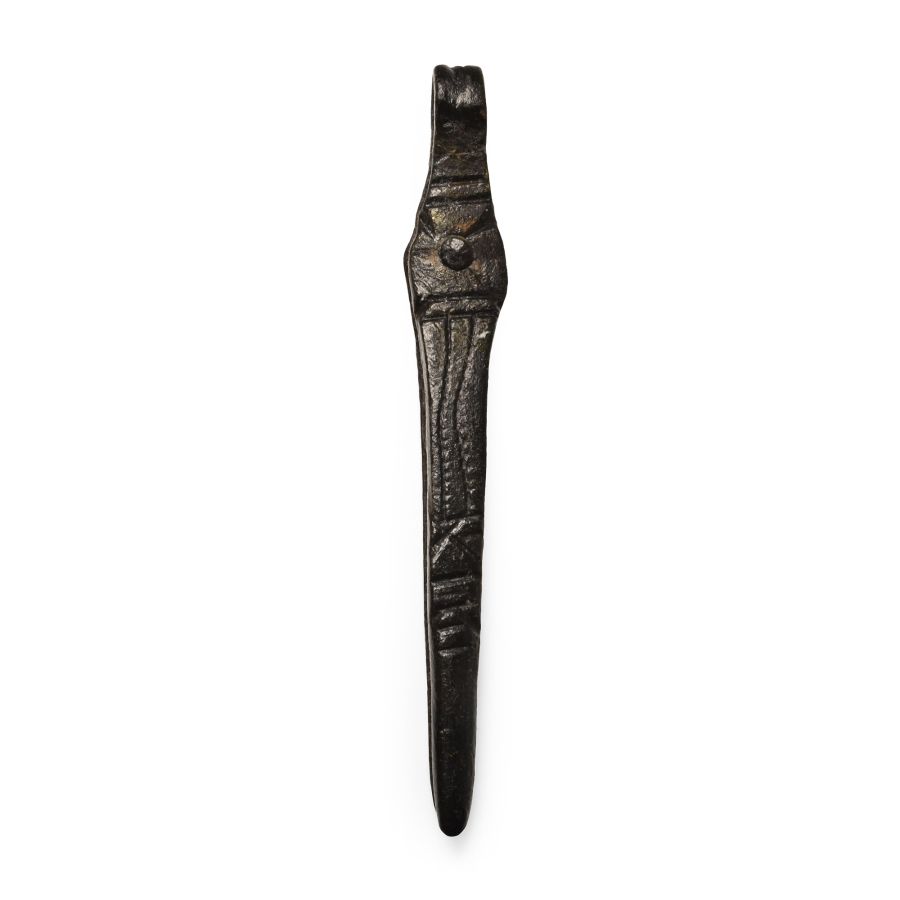
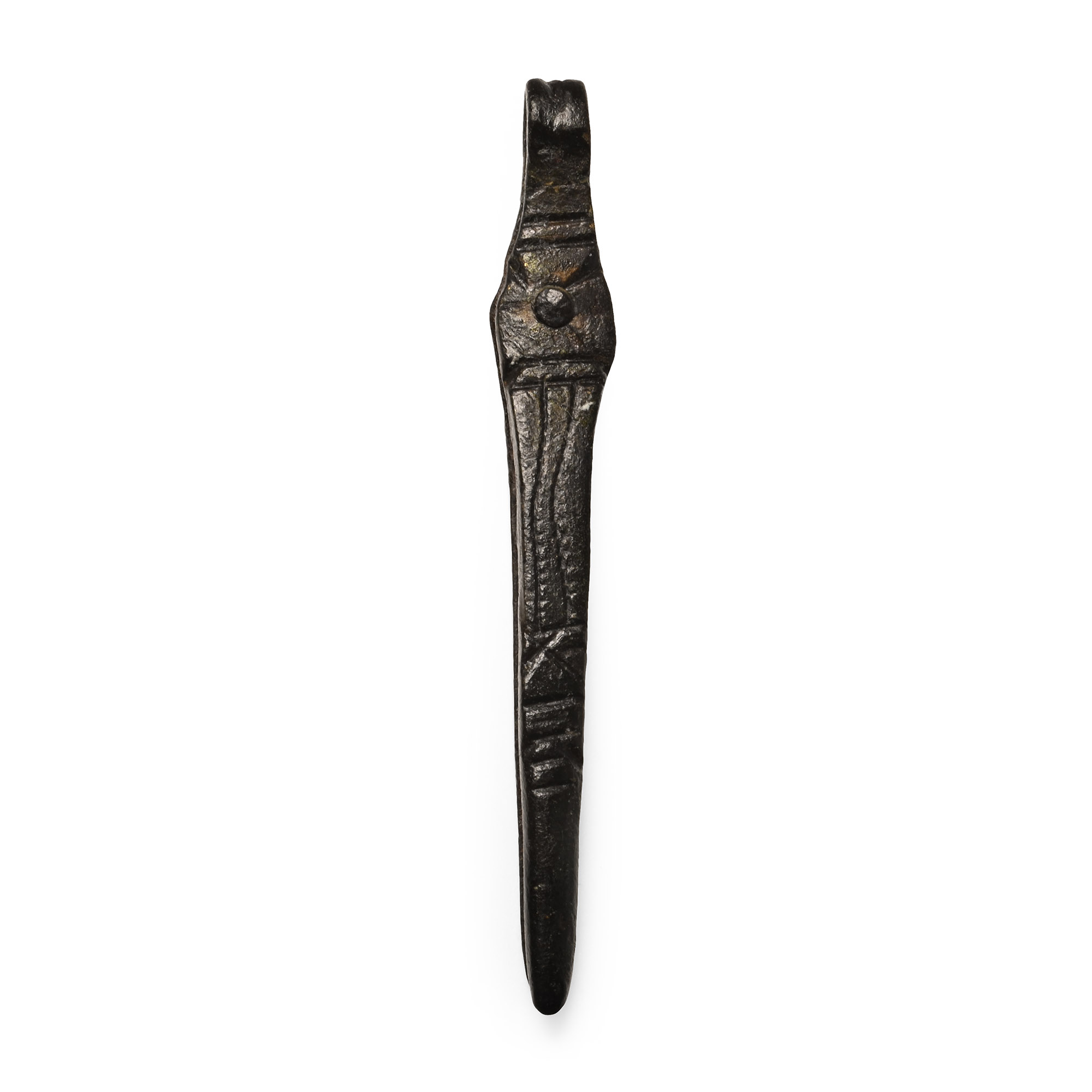
Late Roman Bronze Tweezers
4TH-6TH CENTURY A.D.
2 in. (3.74 grams, 51 mm).
Formed as two narrow arms with transverse ribbing and impressed ornament. [No Reserve]
ProvenanceFrom a private Tyneside collection, formed since the early 2000s.
CONDITIONTimeLine Auctions follows a vetting process to ensure the authenticity and legality of all items, reinforcing our commitment to integrity and responsible trading. Each antiquity, antique, and coin lot undergoes thorough examination by a vetting committee of at least ten external specialists, professional trade association members, scientists, and archaeologists: Our Vetting Process
AUCTIONS:
TimeLine is a leading auction house specialising in antiquities, ancient art, collectables, natural history, coins, medals, and books. Our auctions offer museums, collectors, historians, and enthusiasts the opportunity to acquire unique and historically significant pieces.
-
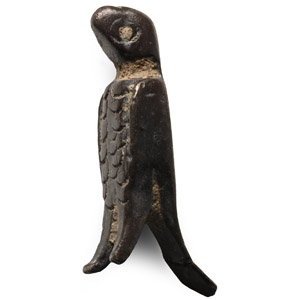
Roman Silver Eagle Statuette
Circa 1st-2nd century A.D.Sold for (Inc. bp): £72
Stylised standing eagle with elongated body and long curving tail. 2.96 grams, 20 mm
From a private Tyneside collection, formed since the early 2000s. -
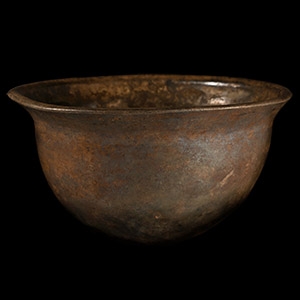
Roman Silver Bowl
2nd century A.D.Estimate: £650 - 750 (+bp*)
Opening Bid: £325
Bell-shaped with thickened rim and rounded underside. 322 grams, 13.2 cm wide
Usage wear.
Acquired early 1990s. Ex private American collection; thence by descent. Private Swiss collection since 1998. -
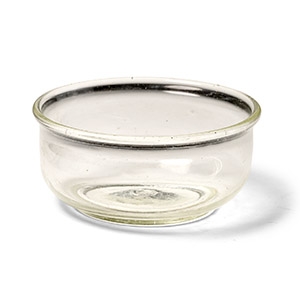
Roman Pale Green Glass Bowl
3rd-5th century A.D.Sold for (Inc. bp): £598
With narrow basal ring and curved sidewall, carinated and flared rim. 43.69 grams, 75 mm
Aquired Christie's, London, Antiquities, Works of Art and Important Renaissance Bronzes, Plaquettes and Limoges Enamels, 8 July 1981, no.12 (part). From a private Wiltshire, UK, collection. Accompanied by a copy of the relevant Christie's catalogue pages.
