
Loading, please wait...


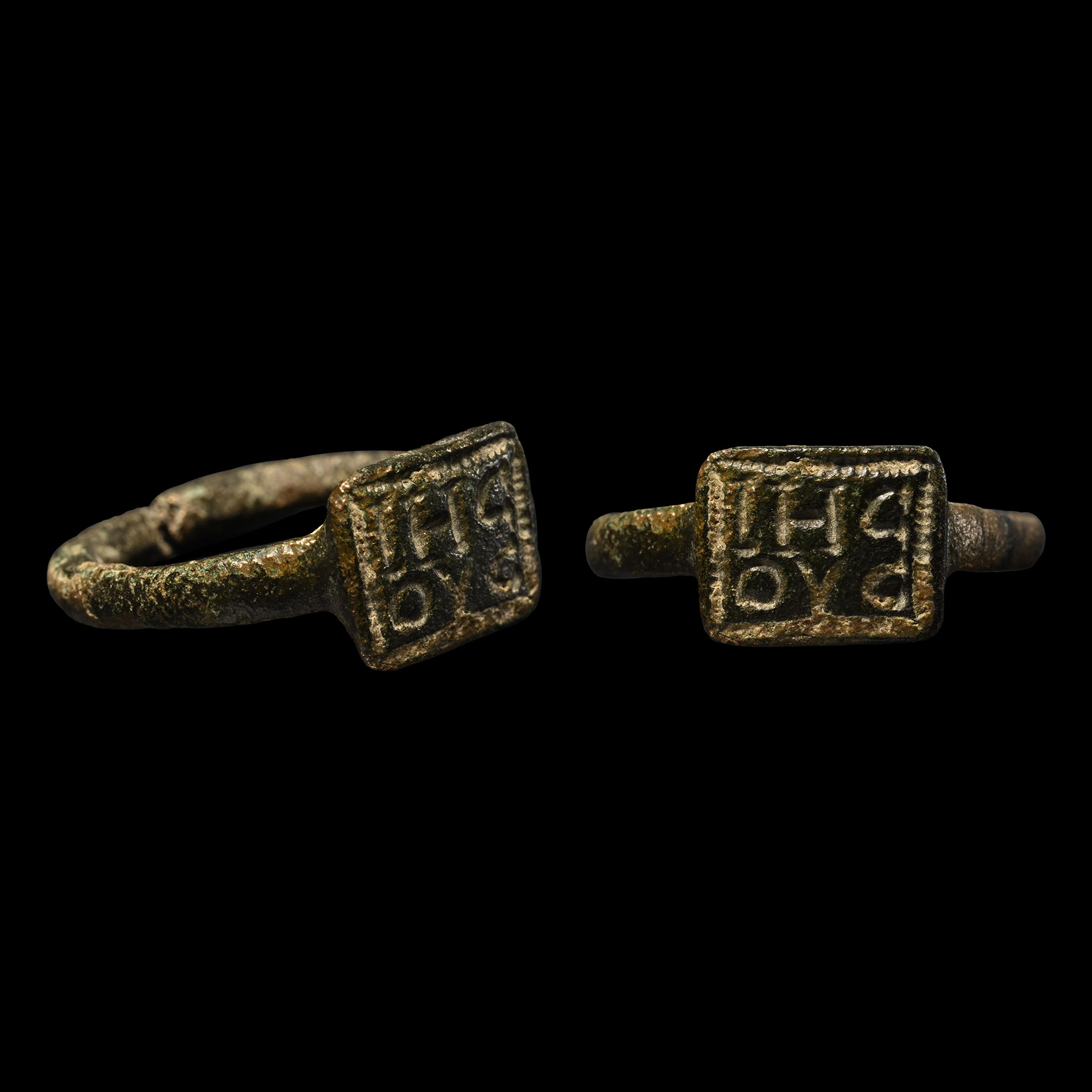
LOT 0906
Late Roman Bronze Ring Inscribed 'Jesus'
4TH-5TH CENTURY A.D.
7/8 in. (3.74 grams, 22.53 mm overall, 17.86 mm internal diameter (approximate size British N 1/2, USA 6 3/4, Europe 14.35, Japan 13)).
With rectangular bezel, inscribed 'IHC / OYC' (Iesous = 'Jesus'); shank split. [No Reserve]
ProvenanceFrom an old UK collection, 1980s.
CONDITIONTimeLine Auctions follows a vetting process to ensure the authenticity and legality of all items, reinforcing our commitment to integrity and responsible trading. Each antiquity, antique, and coin lot undergoes thorough examination by a vetting committee of at least ten external specialists, professional trade association members, scientists, and archaeologists: Our Vetting Process
AUCTIONS:
TimeLine is a leading auction house specialising in antiquities, ancient art, collectables, natural history, coins, medals, and books. Our auctions offer museums, collectors, historians, and enthusiasts the opportunity to acquire unique and historically significant pieces.
-
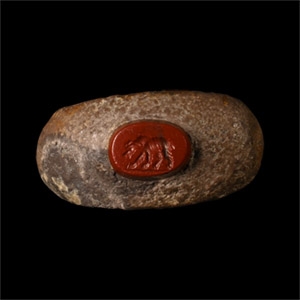
Roman Silver Ring with Hound Gemstone
Late 2nd-early 3rd century A.D.Sold for (Inc. bp): £234
With broad rounded plaque and stud gemstone, jasper intaglio advancing hound on a baseline. 9.84 grams, 24.22 mm overall, 16.72 mm internal diameter (approximate size British I, USA 4 1/4, Europe 7.44, Japan 7)
Private collection, England. -
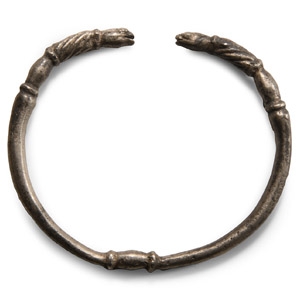
Roman Silver Bracelet with Animal Head Terminals
2nd-4th century A.D.Sold for (Inc. bp): £247
With three balusters to the shank and twisted ribbing, beast-head finials with domed eyes. 12.7 grams, 55 mm
Private collection, Arundel, West Sussex, UK, 1975-late 1990s. -
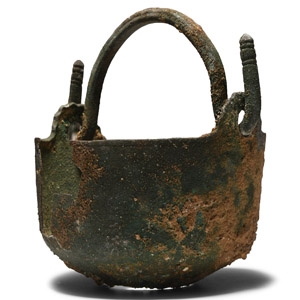
Roman Bronze Handled Vessel
3rd-4th century A.D.Sold for (Inc. bp): £78
Drum-shaped bowl with pierced lugs to the rim and omega-shaped handle; fragmentary. 317 grams, 13.5 cm wide
From a collection acquired on the UK art market from various auction houses and collections mostly before 2000. From an important Cambridgeshire estate; thence by descent.
