
Loading, please wait...
LOT 0676
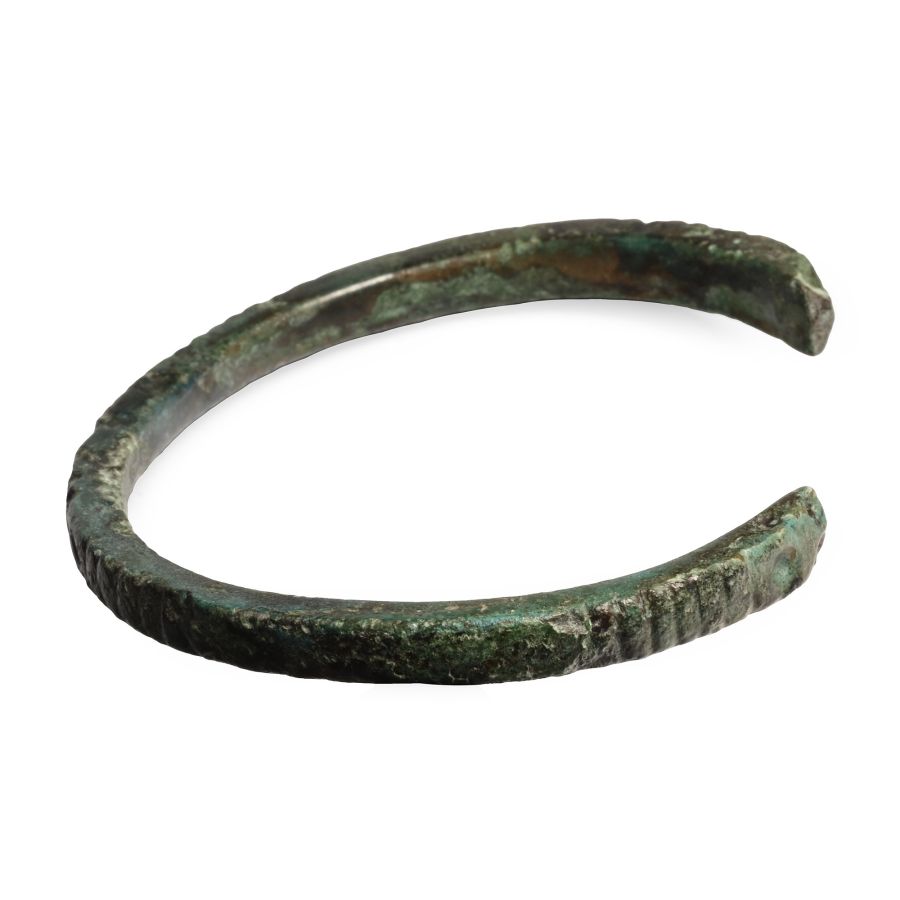
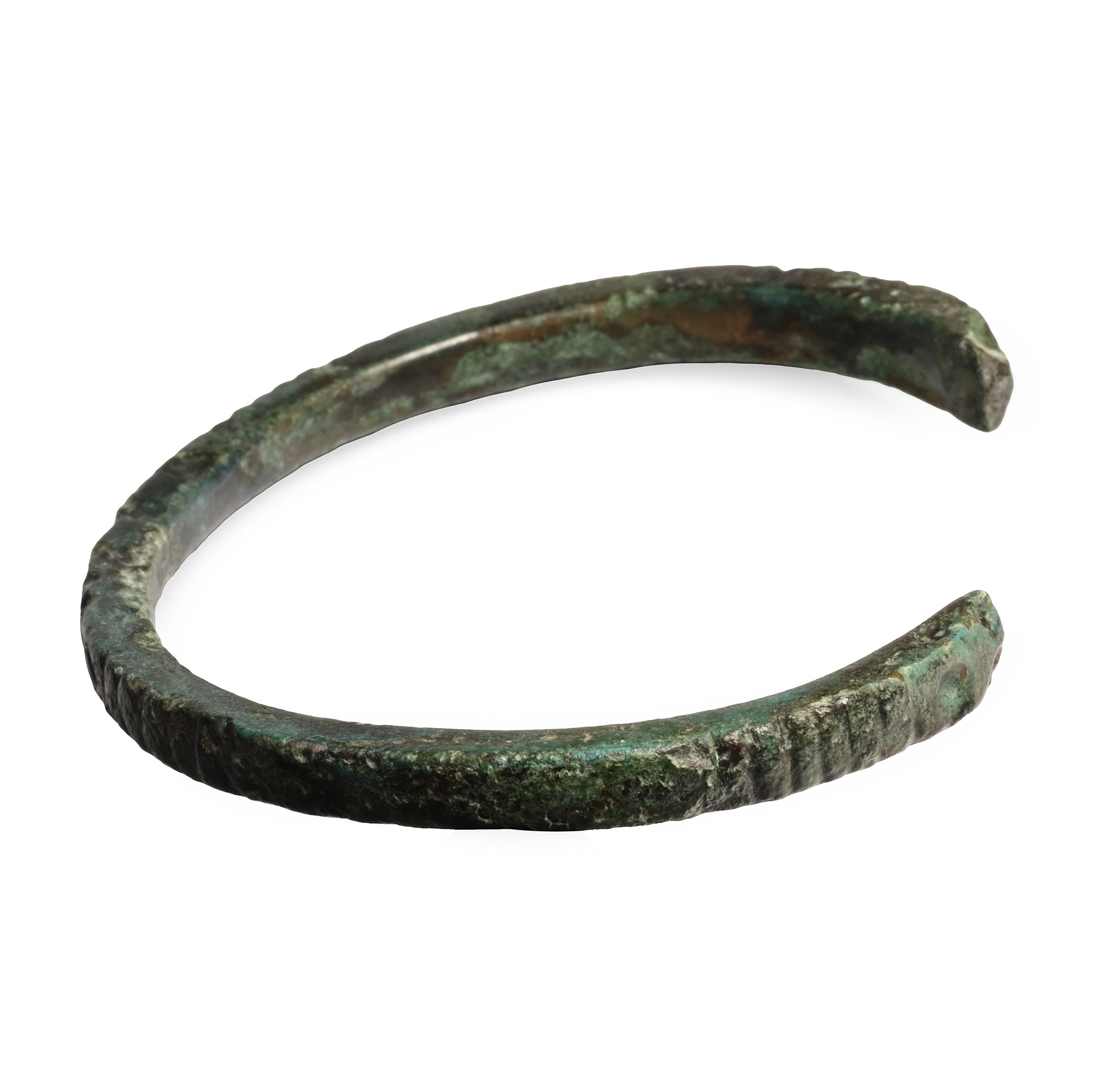
Late Roman Bronze Military Bracelet with Beast-Heads
4TH-5TH CENTURY A.D.
2 5/8 in. (27.9 grams, 67 mm).
Rectangular-section penannular body with bands of ribbing and punched pellets, the finials fashioned as stylised beast heads. [No Reserve]
ProvenanceEx German art market, 2000s.
Acquired from an EU collector living in London.
From the collection of a Surrey, UK, gentleman.
This lot is accompanied by an illustrated lot declaration signed by the Head of the Antiquities Department, Dr Raffaele D'Amato.
TimeLine Auctions follows a vetting process to ensure the authenticity and legality of all items, reinforcing our commitment to integrity and responsible trading. Each antiquity, antique, and coin lot undergoes thorough examination by a vetting committee of at least ten external specialists, professional trade association members, scientists, and archaeologists: Our Vetting Process
AUCTIONS:
TimeLine is a leading auction house specialising in antiquities, ancient art, collectables, natural history, coins, medals, and books. Our auctions offer museums, collectors, historians, and enthusiasts the opportunity to acquire unique and historically significant pieces.
-
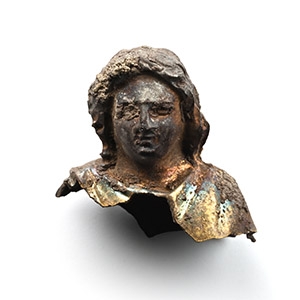
Roman Silver Bust Fragment
1st-3rd century A.D.Sold for (Inc. bp): £715
Hollow-formed male bust modelled in the round with curly shoulder-length hair and wearing a travelling cloak (pallium); possibly depicting Alexander the Great. 1.65 grams, 19 mm
Private collection, Switzerland, 1992. Thence by descent. Private collection, since the late 1990s. This lot is accompanied by an illustrated lot declaration signed by the Head of the Antiquities Department, Dr Raffaele D'Amato. -
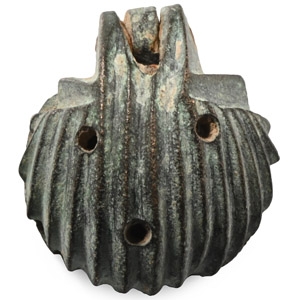
Roman Bronze Aromatic Box in the Shape of a Clam Shell
1st-2nd century A.D.Sold for (Inc. bp): £117
Rounded container with hinged lid and holes on the upper face, ribbed surfaces to imitate the natural surfaces of a clam. 6.76 grams, 21 mm
Ex German art market, 2000s. Acquired from an EU collector living in London. From the collection of a Surrey, UK, gentleman. This lot is accompanied by an illustrated lot declaration signed by the Head of the Antiquities Department, Dr Raffaele D'Amato. -
.jpg)
Roman Mosaic with Pomegranate
4th century A.D.Sold for (Inc. bp): £2,340
Rectangular fragment with a central pomegranate motif on black background surrounded by a stylised dolphin or a fish; set in a modern matrix. 26 kg, 76 x 76 cm
Embedded in the floor of a reputable jewellery shop in Zurich, installed by the owner in the late 1970s to early 1980s. with Galerie Rhéa, Zurich, Switzerland. This lot has been checked against the Interpol Database of stolen works of art and is accompanied by a search certificate number no.12677-236415. This lot has been cleared against the Art Loss Register database, and is accompanied by an illustrated lot declaration signed by the Head of the Antiquities Department, Dr Raffaele D'Amato.
