
Loading, please wait...
LOT 0132
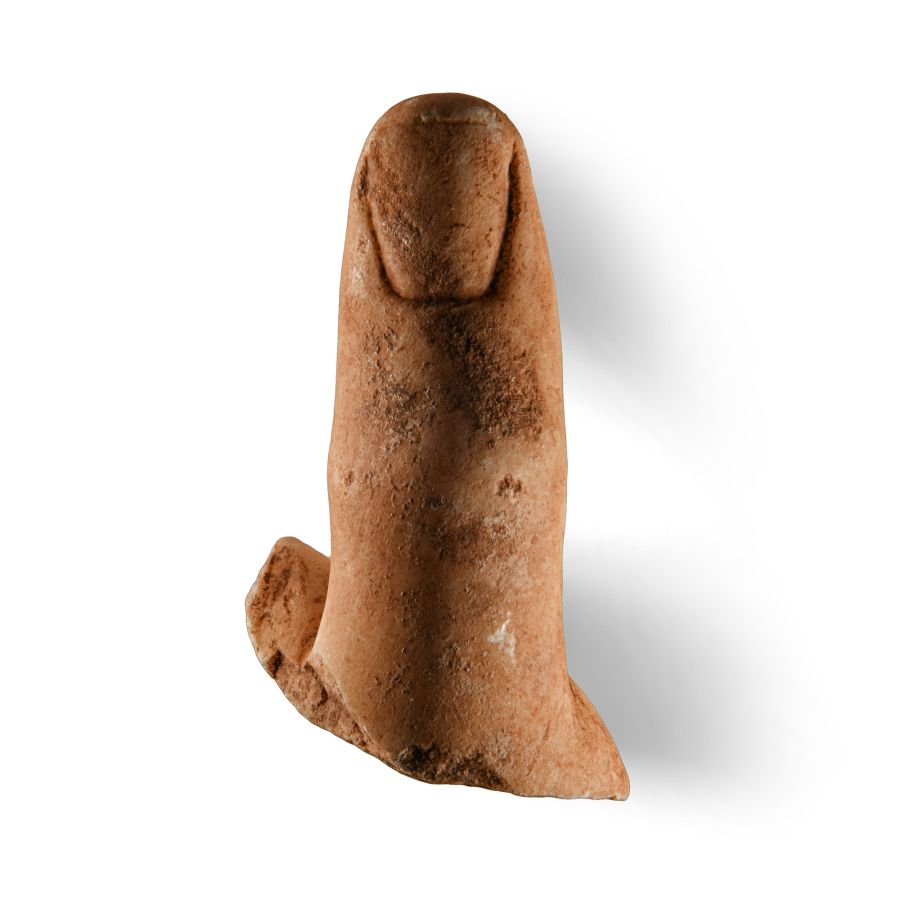
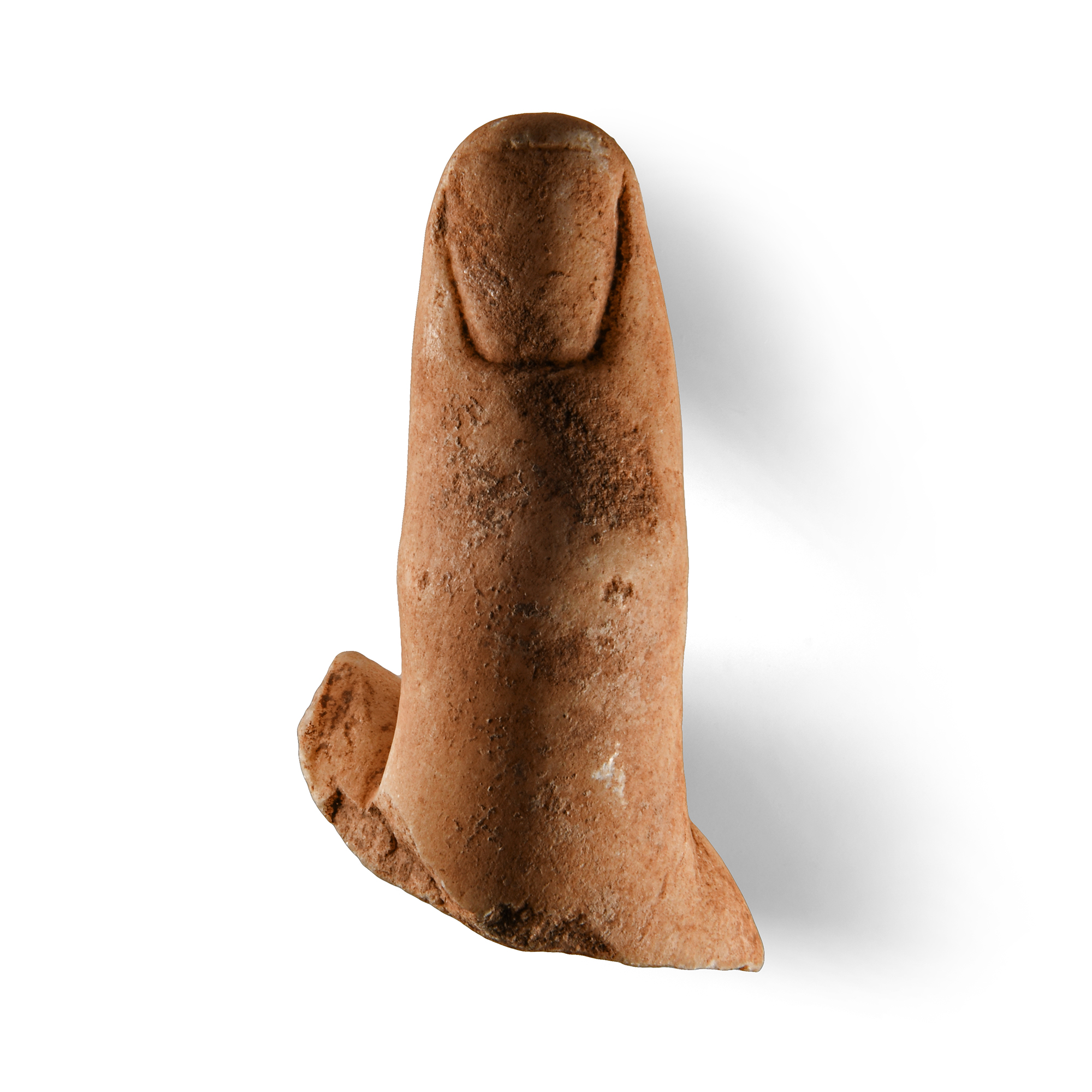
Larger Than Lifesize Roman Marble Thumb
1ST-4TH CENTURY A.D.
4 in. (172 grams, 10 cm high).
Carved marble thumb and portion of the adjacent left hand.
ProvenanceEx Cummings collection, UK, 1990s.
LiteratureSee for a similar colossal thumb sculpture the left hand of Constantine the Great in Parisi Presicce, C., ‘L’abbandono della moderazione: I ritratti di Costantino e della sua progenie’ in Donati, A., Gentili, G., Costantino Il Grande, la civilta' Antica al bivio fra Occidente ed Oriente, Milano, 2005, pp.138-155, pp.144,153.
CONDITIONTimeLine Auctions follows a vetting process to ensure the authenticity and legality of all items, reinforcing our commitment to integrity and responsible trading. Each antiquity, antique, and coin lot undergoes thorough examination by a vetting committee of at least ten external specialists, professional trade association members, scientists, and archaeologists: Our Vetting Process
AUCTIONS:
TimeLine is a leading auction house specialising in antiquities, ancient art, collectables, natural history, coins, medals, and books. Our auctions offer museums, collectors, historians, and enthusiasts the opportunity to acquire unique and historically significant pieces.
-
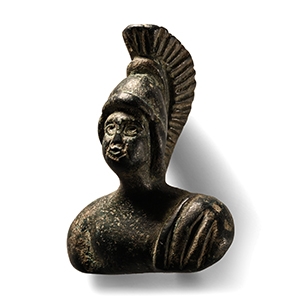
Roman Bronze Bust of Mars Appliqué
2nd-3rd century A.D.Sold for (Inc. bp): £143
Formed as a helmetted bust, possibly representing the god Mars (Greek Ares), with iron spike to the rear. 43 grams, 43 mm
Ex property of a London gentleman; acquired before 1980. -
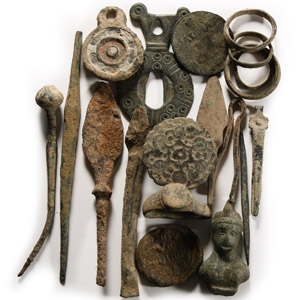
Roman and Later Bronze Artefact Collection
Mainly 1st-3rd century A.D.Sold for (Inc. bp): £104
Including bust of Victory pendant, tanged arrowhead, rosette belt slider, finger rings and other items. 145 grams total, 17-99 mm
Ex Nigel Mills, London, UK. -
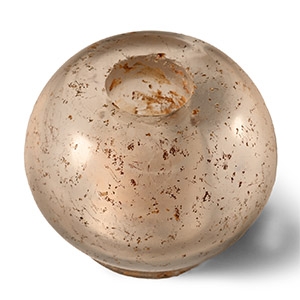
Roman Rock Crystal Vessel
1st-4th century A.D.Sold for (Inc. bp): £572
Globular in form with low basal disc, central socket. 36.7 grams, 32 mm
Acquired in the 1970s. Property of a London lady, part of her family's collection.
