
Loading, please wait...
LOT 0436
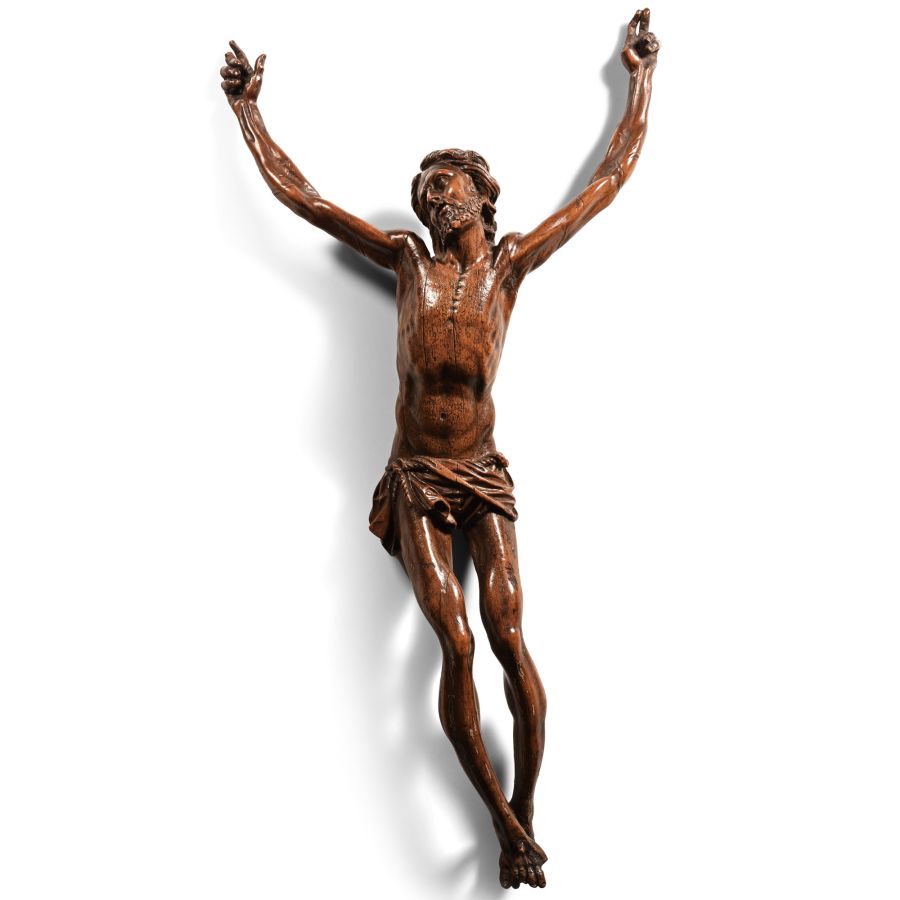
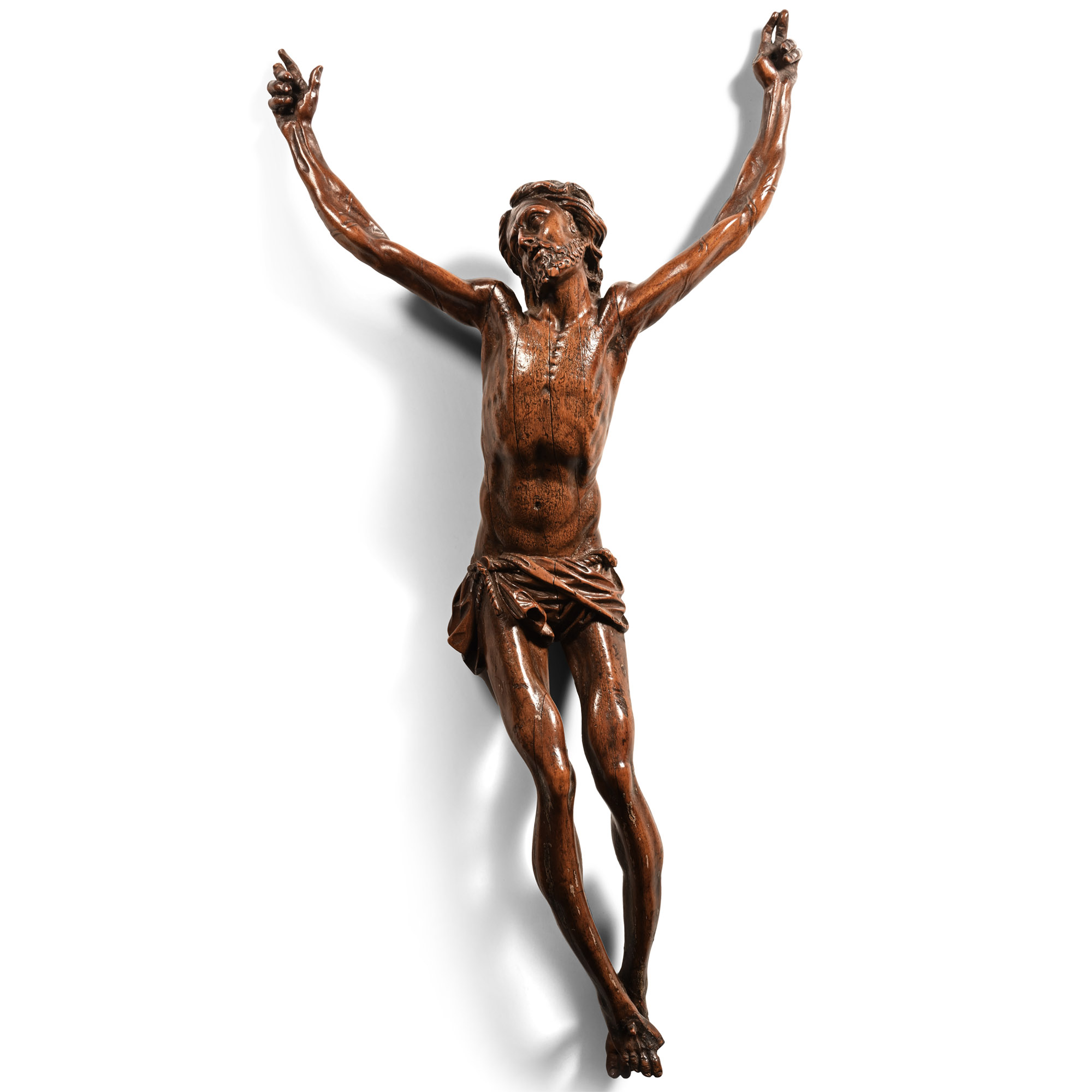
Large Wooden Corpus Christi
17TH CENTURY A.D.
14 1/2 in. (176 grams, 37 cm).
Carved in the round with legs crossed and nail to the feet, hands pierced for attachment; the head tilted with short beard, wearing a loincloth secured by a rope belt; detailed musculature; one thumb absent.
ProvenancePrivate collection, England.
CONDITIONTimeLine Auctions follows a vetting process to ensure the authenticity and legality of all items, reinforcing our commitment to integrity and responsible trading. Each antiquity, antique, and coin lot undergoes thorough examination by a vetting committee of at least ten external specialists, professional trade association members, scientists, and archaeologists: Our Vetting Process
AUCTIONS:
TimeLine is a leading auction house specialising in antiquities, ancient art, collectables, natural history, coins, medals, and books. Our auctions offer museums, collectors, historians, and enthusiasts the opportunity to acquire unique and historically significant pieces.
-
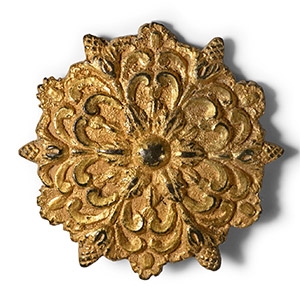
Tudor Period Gilt Bronze Mount with Acorns
16th-17th century A.D.Sold for (Inc. bp): £65
Slightly domed profile, central floral motif with radiating foliate scrolls, six acorns to the outer edge. 26.9 grams, 48 mm
Ex German art market, 2000s. Acquired from an EU collector living in London. From the collection of Surrey, UK, gentleman. -
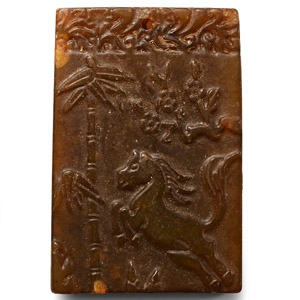
Chinese Hardstone Plaque Pendant
20th century A.D.Sold for (Inc. bp): £7
Obverse with a prancing horse in a landscape, reverse with three columns of text. 35 grams, 59 x 39 mm
Ex Paris gallery, 1980-1990. From a Parisian collection. -
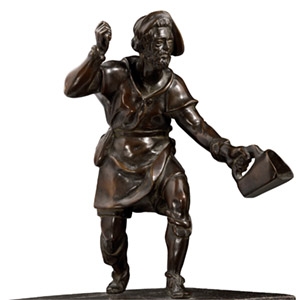
Bronze Figure of a Bird Catcher
18th-19th century A.D.Estimate: £800 - 1,000 (+bp*)
Opening Bid: £400
Clad in garments evoking the Middle Ages, modelled in the round stalking his prey with a cage in one hand and a cudgel or baton held in the other, ready to strike; a number of birds suspended from his belt, together with other pouches; mounted on a veined granite base. 6.2 kg, 29.5 cm
Private collection, England.
Executed in the style of Giambologna (Giovanni da Bologna, 1529-1608), the famed Florentine sculptor whose work was favoured by the Medici family. It is similar to another bronze in the Detroit Institute of Art, where it is ascribed to Antonio Susini, a student of Giambologna.
