
Loading, please wait...
LOT 1228
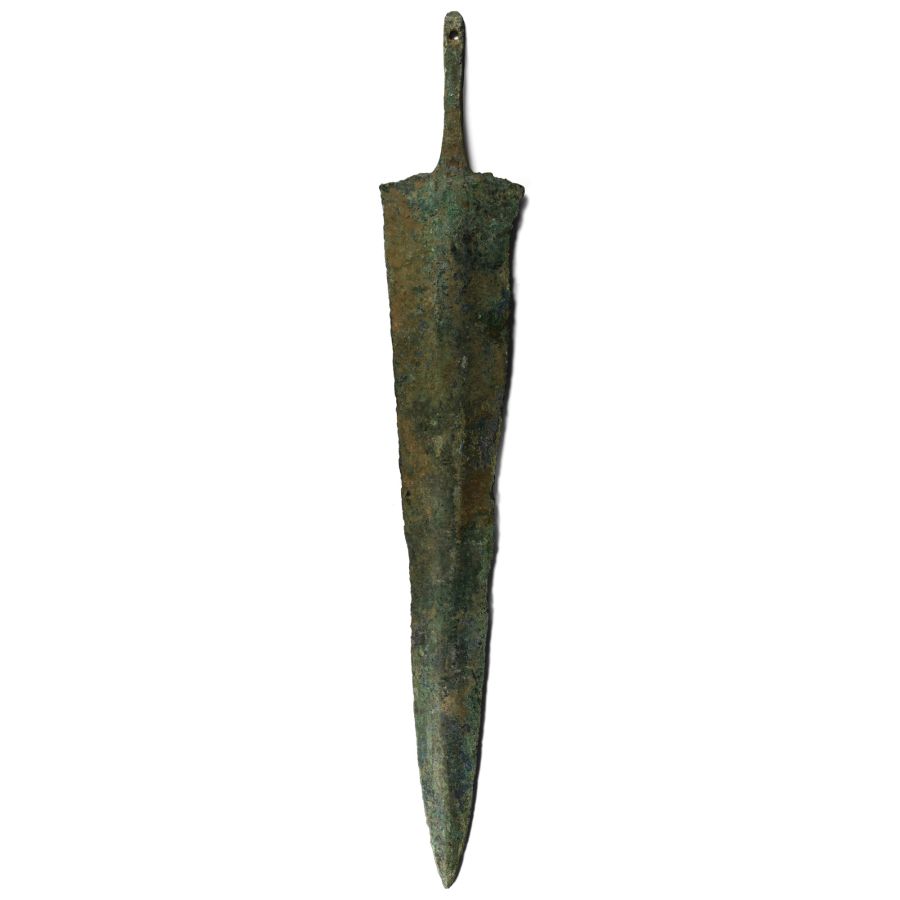
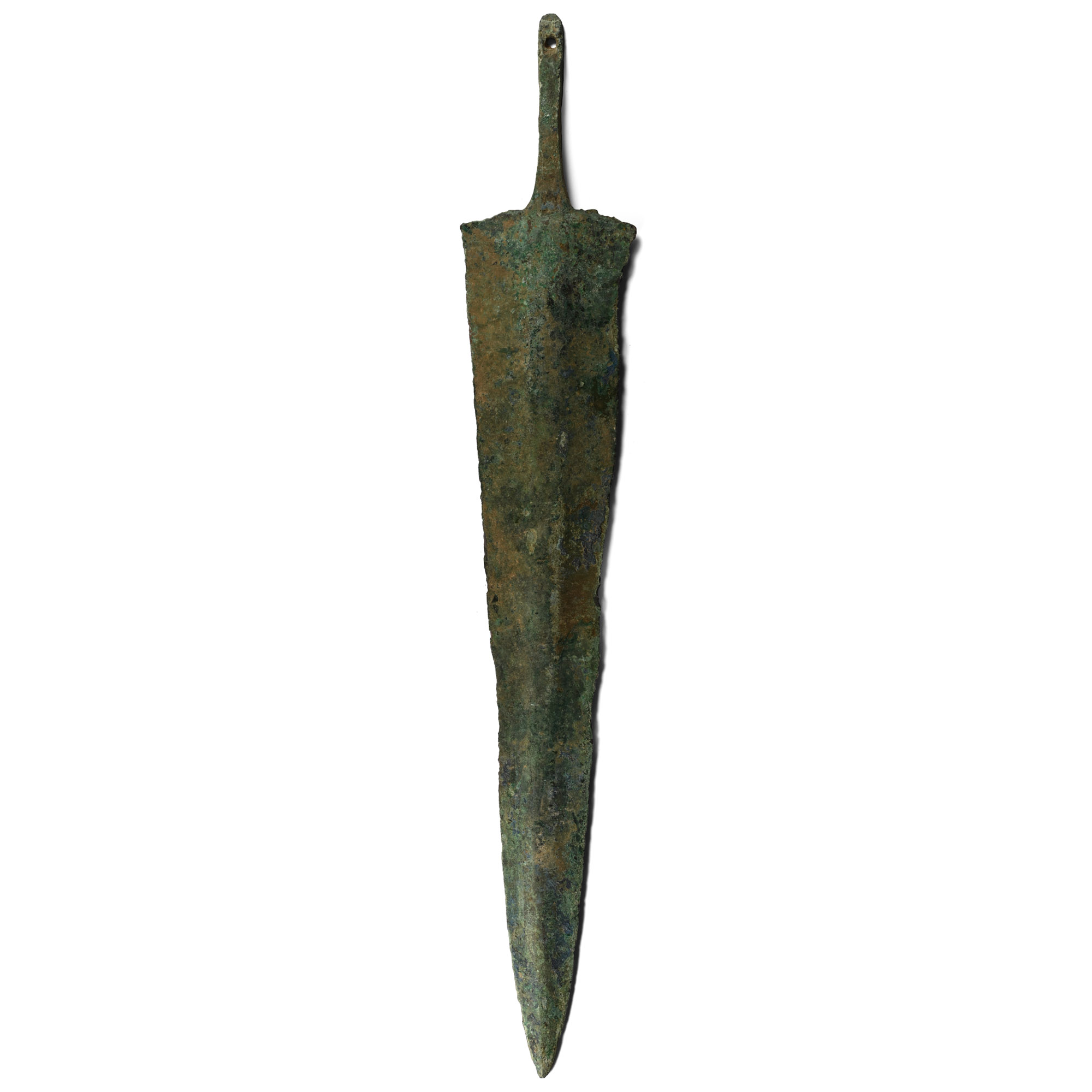
Large Western Asiatic Bronze Dagger
1800-1600 B.C.
12 3/4 in. (218 grams, 32.5 cm).
Tapering blade with raised midrib developing to a short tang pierced at the finial.
ProvenanceEx London art market, 1980-1990s.
This lot has been cleared against the Art Loss Register database, and is accompanied by an illustrated lot declaration signed by the Head of the Antiquities Department, Dr Raffaele D'Amato.
Cf. for the type Gorelik, M., Weapons of Ancient East, IV millennium BC-IV century BC, Saint Petersburg, 2003, in Russian, see pl.IV, no.40, from Western Iran.
FootnotesAround the 17th century BC, Hyksos craftsmen apparently invented daggers with an elongated, narrow blade of a subtriangular shape, sometimes with a mid-rib, but more often flat, and a handle cast together with the blade, flat, fairly wide, with a pronounced, sometimes sharply, more often smoothly, pommel and crossguard. Such daggers very quickly gained popularity in Mesopotamia and further to the east and northeast, as well as to the northwest, in the Aegean, and became almost the most widespread type of dagger in these regions up until the middle of the 1st millennium B.C.
CONDITIONTimeLine Auctions follows a vetting process to ensure the authenticity and legality of all items, reinforcing our commitment to integrity and responsible trading. Each antiquity, antique, and coin lot undergoes thorough examination by a vetting committee of at least ten external specialists, professional trade association members, scientists, and archaeologists: Our Vetting Process
AUCTIONS:
TimeLine is a leading auction house specialising in antiquities, ancient art, collectables, natural history, coins, medals, and books. Our auctions offer museums, collectors, historians, and enthusiasts the opportunity to acquire unique and historically significant pieces.
-
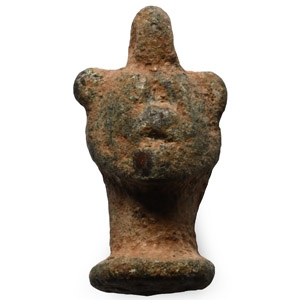
Babylonian Bronze Pazuzu Head Pendant
1st millennium B.C.Estimate: £200 - 300 (+bp*)
Opening Bid: £100
Formed in the round bust of Pazuzu with disc base and loop. 4.45 grams, 19.7 mm
From a collection of a late London, UK, collector, 1980s. This lot has been cleared against the Art Loss Register database, and is accompanied by an illustrated lot declaration signed by the Head of the Antiquities Department, Dr Raffaele D'Amato. -
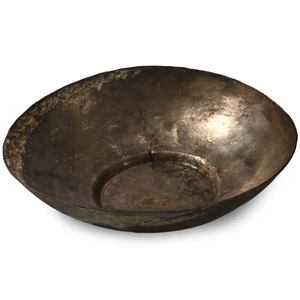
Western Asiatic Silver Bowl
1st millennium B.C.Sold for (Inc. bp): £247
Shallow sheet-silver with integral disc foot. 71.7 grams, 14.3 cm
Acquired before 1983. Ex London gallery, 1990s. This lot has been cleared against the Art Loss Register database, and is accompanied by an illustrated lot declaration signed by the Head of the Antiquities Department, Dr Raffaele D'Amato. -
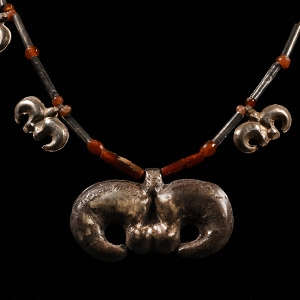
Large Elamite Silver Pendant Necklace
3rd-mid 2nd millennium B.C.Estimate: £1,500 - 2,000 (+bp*)
Opening Bid: £750
Restrung necklace of tubular sheet-silver and carnelian beads with oblate spacers, four small and one large pendant, each formed as a pair of crescent horns. 38.94 grams, 46 cm
Acquired before 1983. Ex London gallery, 1990s. This lot has been cleared against the Art Loss Register database, and is accompanied by an illustrated lot declaration signed by the Head of the Antiquities Department, Dr Raffaele D'Amato.
