
Loading, please wait...
LOT 0226
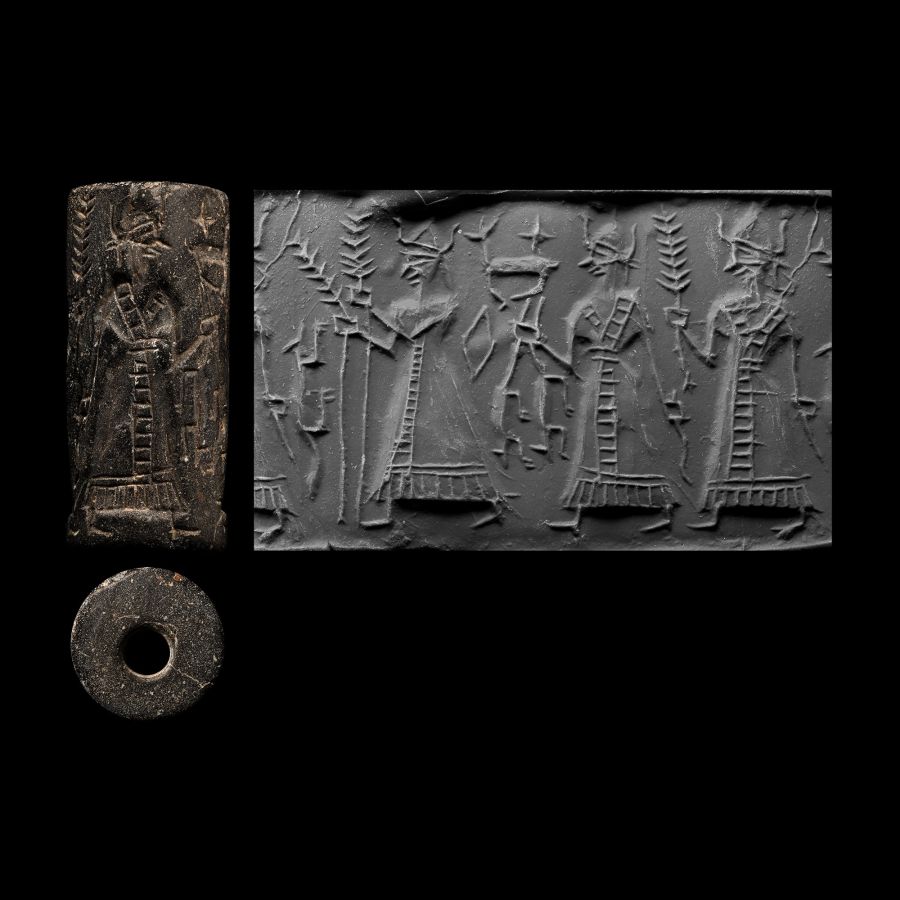
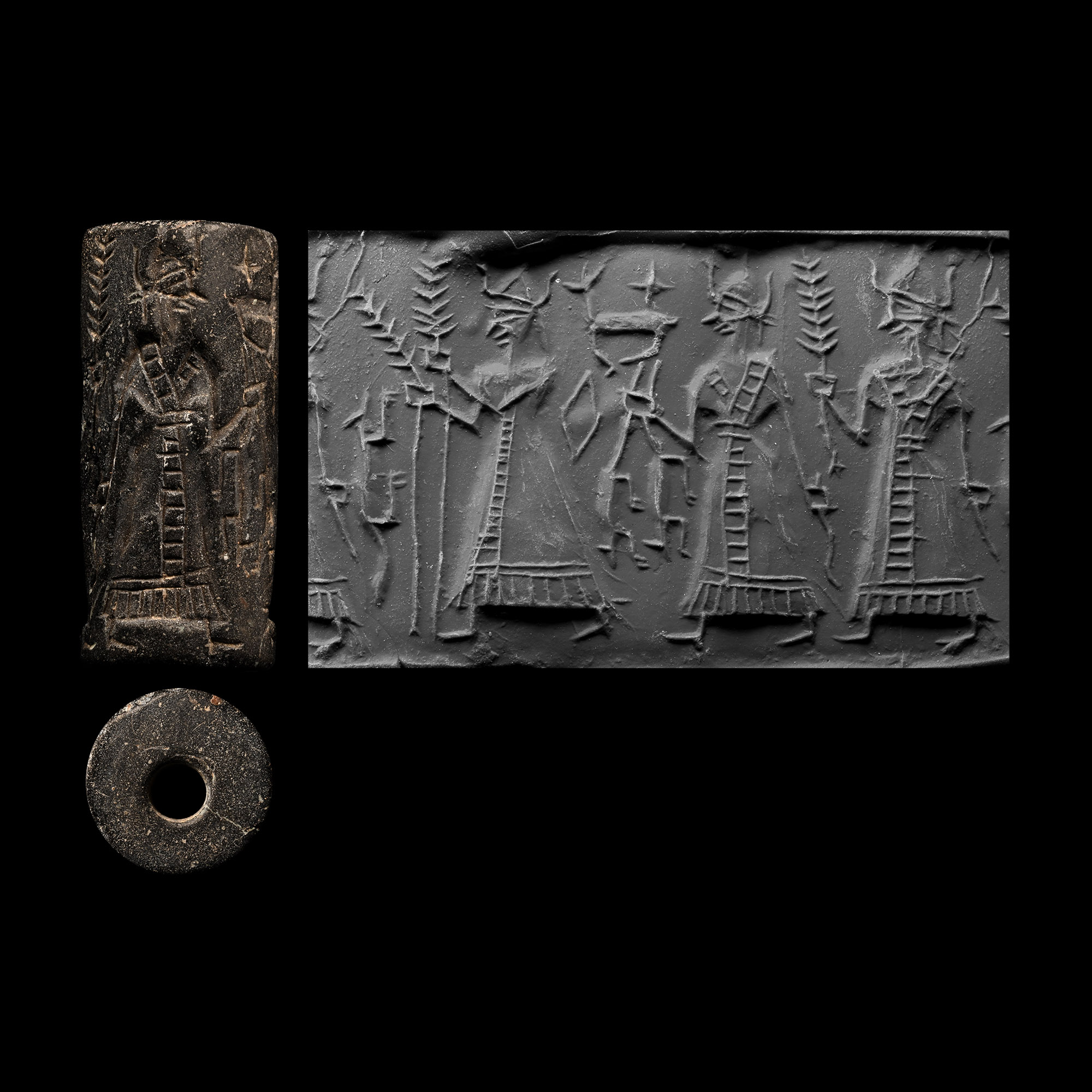
Large West Iranian Grey Stone Cylinder Seal with Figures
CIRCA 1200-1000 B.C.
1 3/4 in. (23.9 grams, 45 mm).
Accompanied by a copy of an old scholarly note, typed and signed by W.G. Lambert, late Professor of Assyriology, University of Birmingham, 1970-1993, which states: ' Cylinder seal of black stone, 45 x 20 mm., condition fine. This seal shows three walking figures in a row, to be identified as gods from their headdresses. They are all clad in the same garb: long robes reaching the ankles, with a fringe reaching from the shoulder to the bottom, and another one around the bottom. The first one carried two rodents by their tails in one hand and holds a small scimitar in the other. The middle one holds up a twig of vegetation in one hand and a short rod in the other. The rear deity holds a twig in each hand, with (apparently) a string falling from each hand to the ground. There is a rodent sideways filling space between the second and last gods, and for a terminal there is a lozenge, a horned animal with front and rear legs close together, and a simple cross. This is a rare seal from west Iran, dating to c. 1200-1000 B.C. The twig as a divine symbol is well known from seals of this period excavated at Susa and Choga Zanbil, and other details are paralleled, such as the angular depiction of the hands holding the various objects.'; supplied with a museum-quality impression.
ProvenanceFrom the private collection of a North American lady, formed 1970s-early 1990s, with collection reference no.P27.
Accompanied by a copy of a scholarly note, typed and signed by Professor Wilfrid George Lambert dated January 1990.
This lot has been cleared against the Art Loss Register database, and is accompanied by an illustrated lot declaration signed by the Head of the Antiquities Department, Dr Raffaele D'Amato.
TimeLine Auctions follows a vetting process to ensure the authenticity and legality of all items, reinforcing our commitment to integrity and responsible trading. Each antiquity, antique, and coin lot undergoes thorough examination by a vetting committee of at least ten external specialists, professional trade association members, scientists, and archaeologists: Our Vetting Process
AUCTIONS:
TimeLine is a leading auction house specialising in antiquities, ancient art, collectables, natural history, coins, medals, and books. Our auctions offer museums, collectors, historians, and enthusiasts the opportunity to acquire unique and historically significant pieces.
LOT 0226
Large West Iranian Grey Stone Cylinder Seal with Figures
Sold for (Inc. bp): £2,340
-
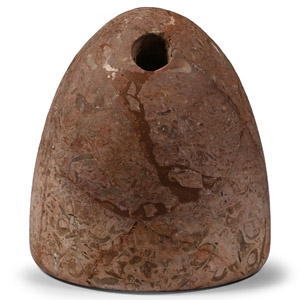
Bactrian Stone Weight
2nd millennium B.C. or laterSold for (Inc. bp): £416
Conical in profile with flat base and U-shaped channel through the apex. 7.25 kg, 17 cm
Ex Mayfair gallery, London, UK, 1990s. This lot has been cleared against the Art Loss Register database, and is accompanied by an illustrated lot declaration signed by the Head of the Antiquities Department, Dr Raffaele D'Amato. -
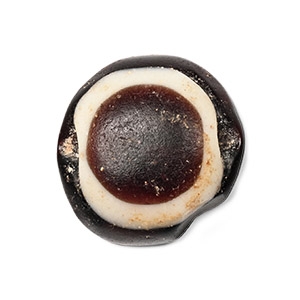
Western Asiatic Glass Eye Bead
1st millennium B.C.Sold for (Inc. bp): £247
Layered glass cabochon imitating banded agate 'eye' design. 1.6 grams, 14 mm
Ex collection of the late S.M., London, UK, 1970-1990s. This lot has been cleared against the Art Loss Register database, and is accompanied by an illustrated lot declaration signed by the Head of the Antiquities Department, Dr Raffaele D'Amato. -
.jpg)
Sumerian Stone Skirt
2nd millennium B.C.Estimate: £300 - 400 (+bp*)
Opening Bid: £150
Plano-convex in section with a later (20th century) band of largely untranslated cuneiform style text; a skirt from a figure. 14.7 grams, 32 mm
From the 'S' collection, acquired 1970-1990s. The collection was seen and studied by W.G. Lambert, late Professor of Assyriology at the University of Birmingham, 1970-1993. This lot has been cleared against the Art Loss Register database, and is accompanied by an illustrated lot declaration signed by the Head of the Antiquities Department, Dr Raffaele D'Amato.
