
Loading, please wait...
LOT 1457
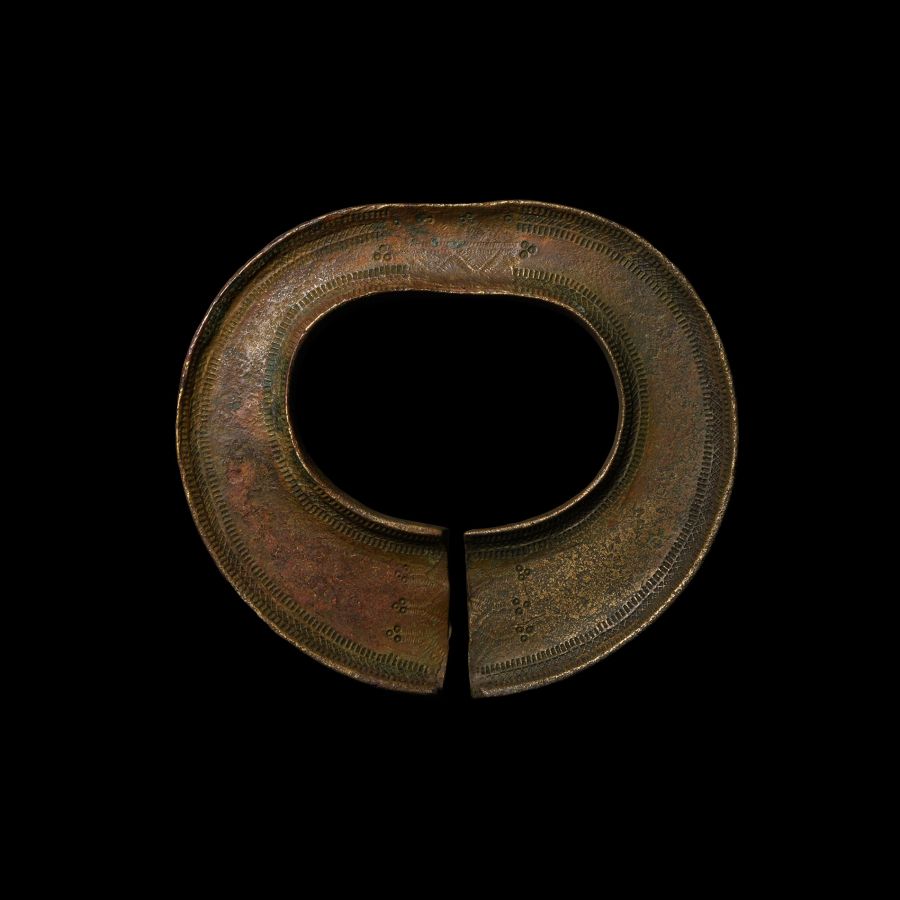
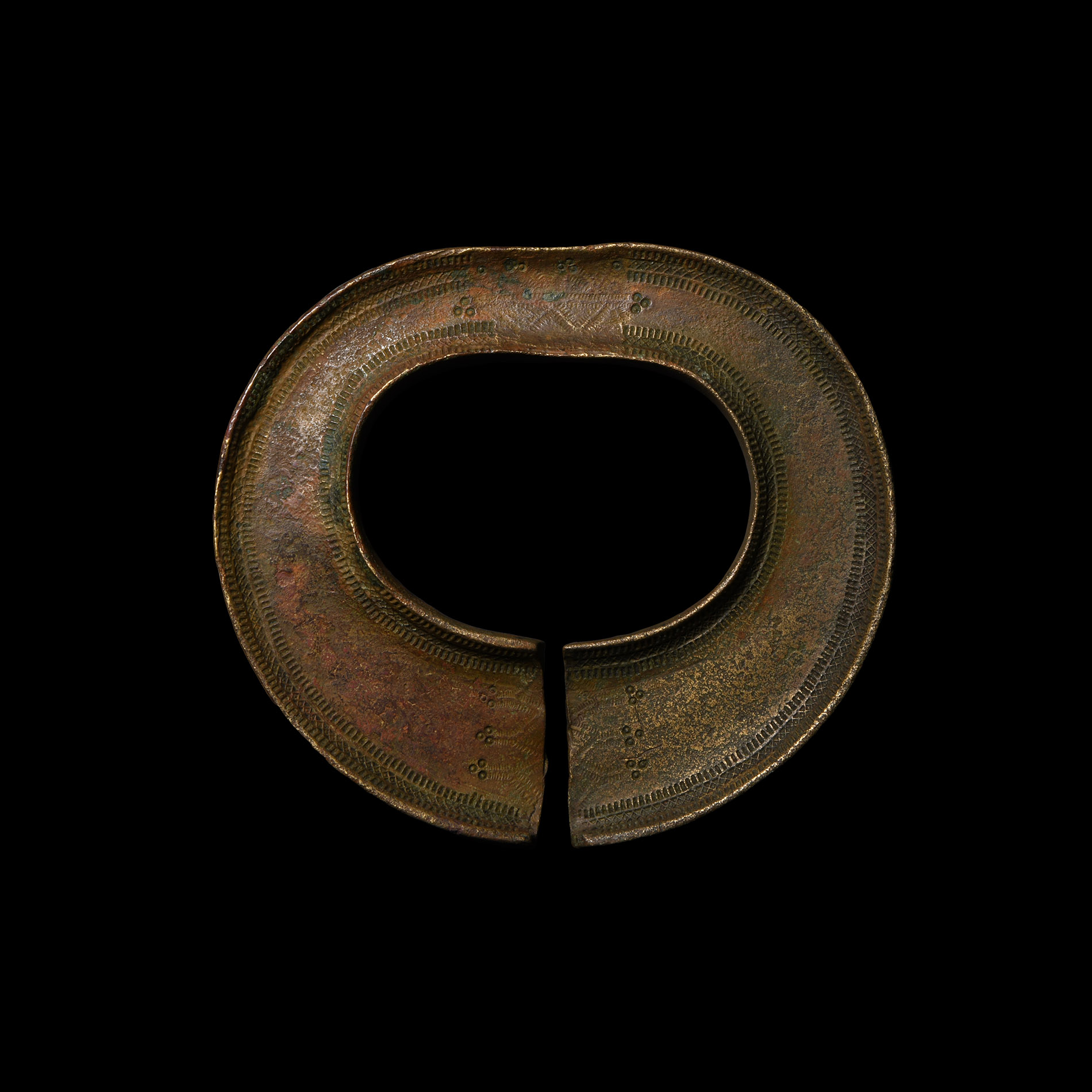
Large Viking Period Decorated Bronze Armlet
CIRCA 11TH CENTURY A.D.
4 in. (215 grams, 10.3 cm).
Of penannular form, with raised perimeters to both faces and bifacial punched geometric motifs, including to the side edge. [No Reserve]
ProvenanceFrom the collection of a North American gentleman, formed in the 1990s.
LiteratureCf. The British Museum, museum number 1852,0329.194, for similar identified as Latgalian.
CONDITIONTimeLine Auctions follows a vetting process to ensure the authenticity and legality of all items, reinforcing our commitment to integrity and responsible trading. Each antiquity, antique, and coin lot undergoes thorough examination by a vetting committee of at least ten external specialists, professional trade association members, scientists, and archaeologists: Our Vetting Process
AUCTIONS:
TimeLine is a leading auction house specialising in antiquities, ancient art, collectables, natural history, coins, medals, and books. Our auctions offer museums, collectors, historians, and enthusiasts the opportunity to acquire unique and historically significant pieces.
-
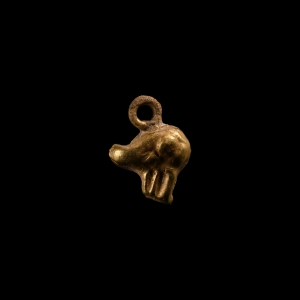
Viking Age Gold Pendant with Bird Head
Circa 10th century A.D.Estimate: £150 - 200 (+bp*)
Opening Bid: £75
Displaying bifacial eye and neck detailing; suspension loop above. 1.19 grams, 15 mm
Acquired 1970-2010. From the collection of a late Japanese gentleman. -
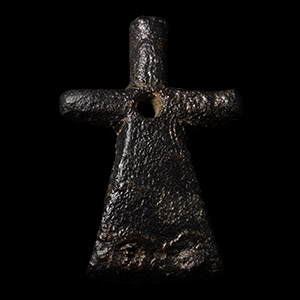
Viking Bronze Apex Stirrup Mount with Cross
11th century A.D.Sold for (Inc. bp): £52
Of Williams's Class A Type 14 formed as a trapezoidal plaque with three D-section radiating arms, pierced at the centre and above the lower edge; old collector's numbers to the reverse '90.110.2' and '15888'. 20.4 grams, 47 mm
Found UK. Ex UK collection; formed between 1970s-1990s. -
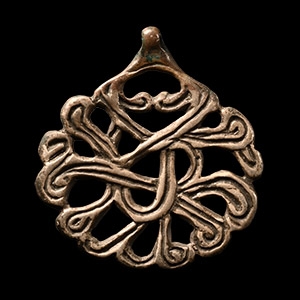
Viking Silver Interlaced Pendant
9th-11th century A.D.Sold for (Inc. bp): £338
Formed as openwork interlaced tendrils with scrolling finials; integral suspension loop. 5.5 grams, 31 mm
Formerly acquired on the German art market in the early 1980s. Previously in a European collection in the 1990s. From an important central London collection.
