
Loading, please wait...
LOT 0291
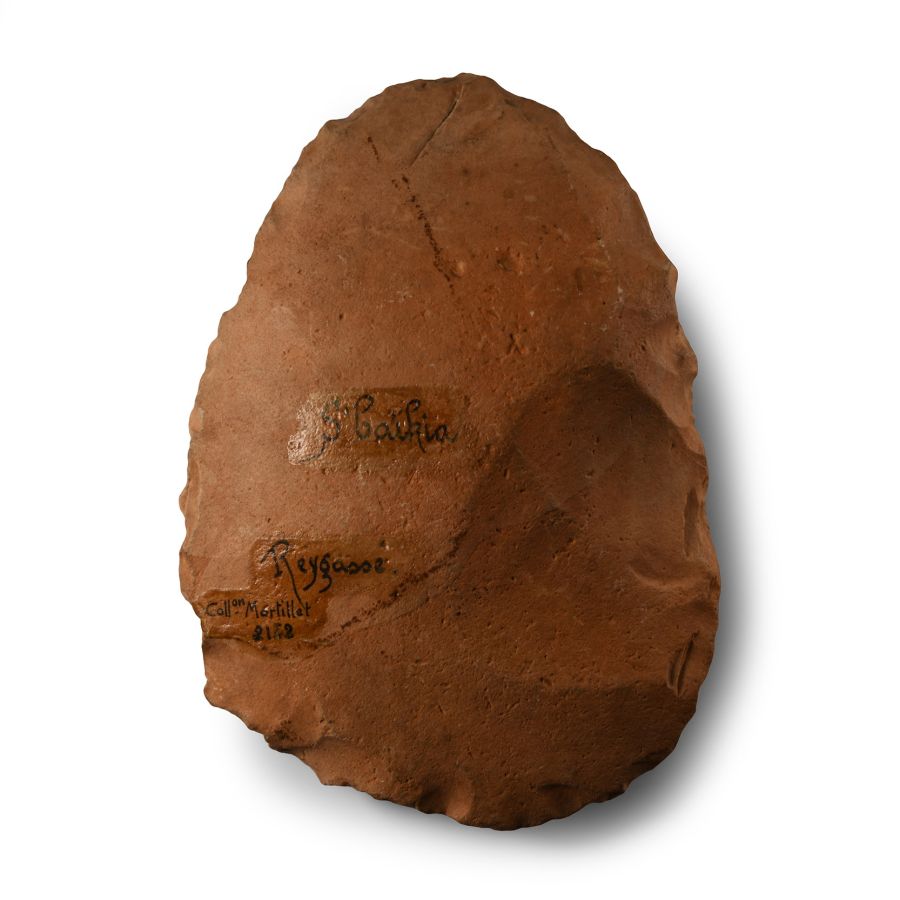
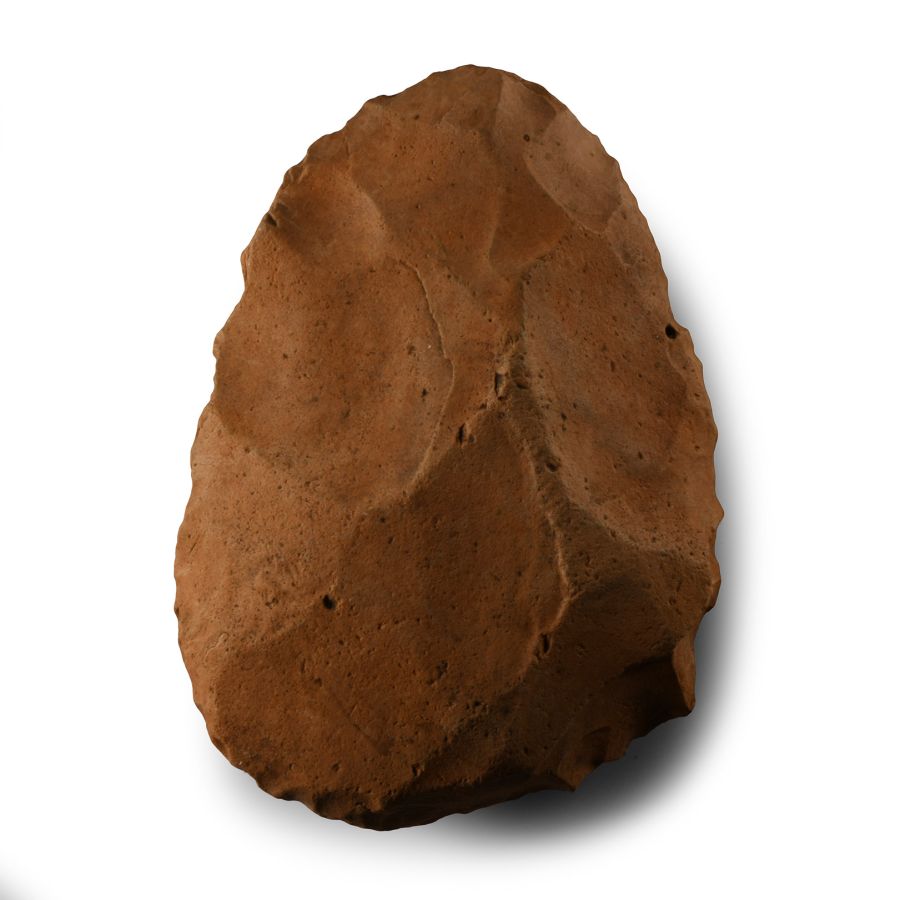
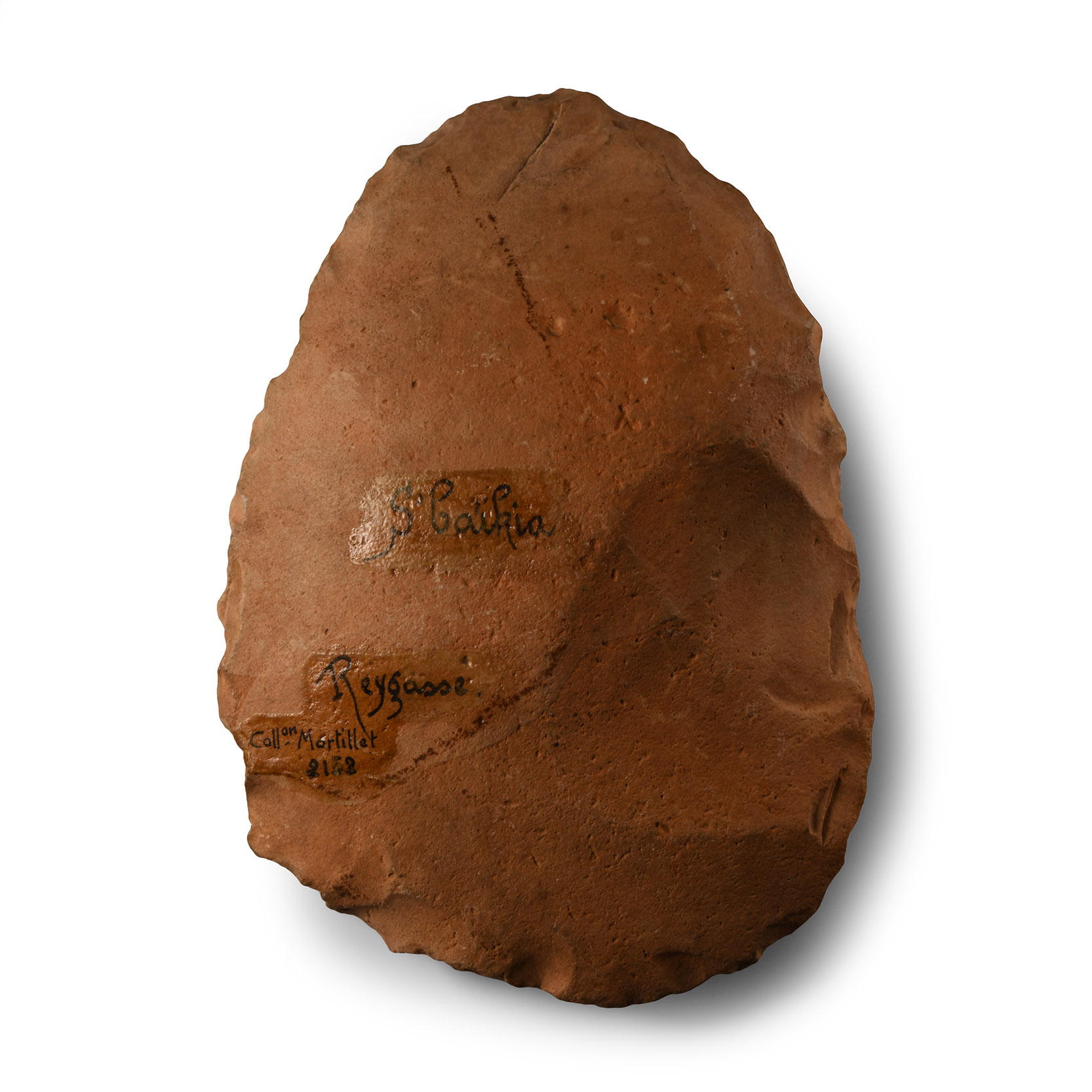
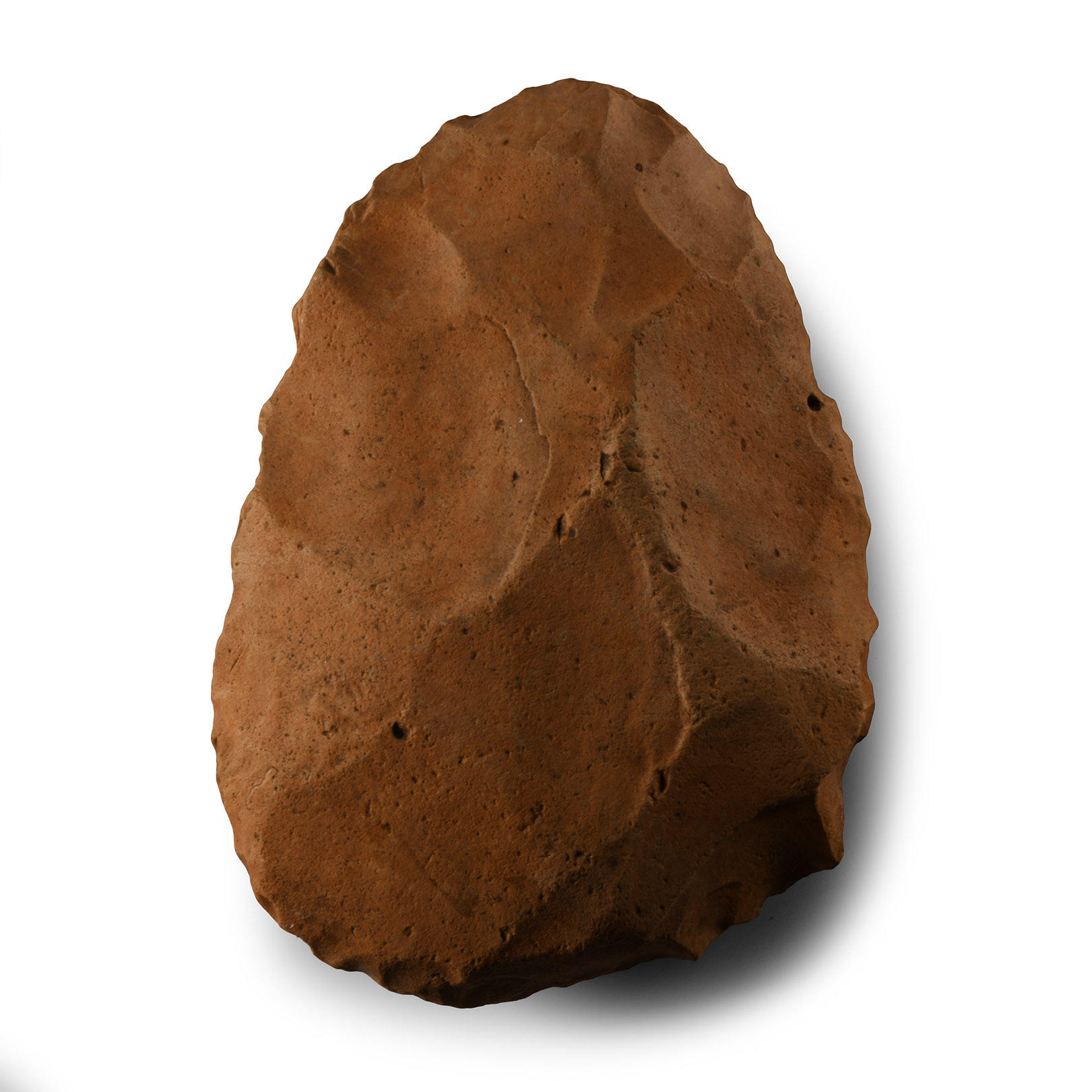
Large Stone Age 'Reygasse' Knapped Hand Axe
LOWER PALAEOLITHIC PERIOD, CIRCA 400,000-200,000 B.P.
6 in. (697 grams, 15.1 cm).
In light-pink stone with wide butt; inked collection inscriptions to one side 'S'Laikia', 'Reygasse' and 'Coll- Mortillet 2152'. [No Reserve]
ProvenanceBelieved to have been found in Reygasse, France.
Ex Collection Martillet, no.2152.
Collection of Mr François Bigot (1950-2009).
Accompanied by a copy of a French cultural export permit, no.231578.
TimeLine Auctions follows a vetting process to ensure the authenticity and legality of all items, reinforcing our commitment to integrity and responsible trading. Each antiquity, antique, and coin lot undergoes thorough examination by a vetting committee of at least ten external specialists, professional trade association members, scientists, and archaeologists: Our Vetting Process
AUCTIONS:
TimeLine is a leading auction house specialising in antiquities, ancient art, collectables, natural history, coins, medals, and books. Our auctions offer museums, collectors, historians, and enthusiasts the opportunity to acquire unique and historically significant pieces.
-
Stone Age Knapped Hand Axe Group
Lower Palaeolithic Period, circa 400,000-200,000 B.P.Sold for (Inc. bp): £65
Comprising: one triangular in section with broad butt and narrow edge; one biconvex in section with broad curved edge. 290 grams total, 12-13.5 cm
From a collection acquired on the UK art market from various auction houses and collections mostly before 2000. From an important Cambridgeshire estate; thence by descent. -
Stone Age Axehead Collection
Palaeolithic-Neolithic Period, circa 200,000-4000 B.P.Sold for (Inc. bp): £65
Comprising: two teardrop-shaped handaxes, one with absent tip; a pecked fusiform axehead with conical butt. 990 grams total, 12.3-14.5 cm
Previously acquired on the UK art market before 2000. Property of a Kent, UK, collector. -
.jpg)
Stone Age 'Le Monchel' Knapped Flint Handaxe
Mesolithic Period, 12,000-9,000 years B.P.Sold for (Inc. bp): £78
With rounded butt and blade, parallel sides, marked 'Le Monchel'. 223 grams, 12.9 cm
Found Le Monchel, France. From an old French collection formed in the 1930s. From the collection of a Norfolk, UK, lady collector.
