
Loading, please wait...
LOT 1570
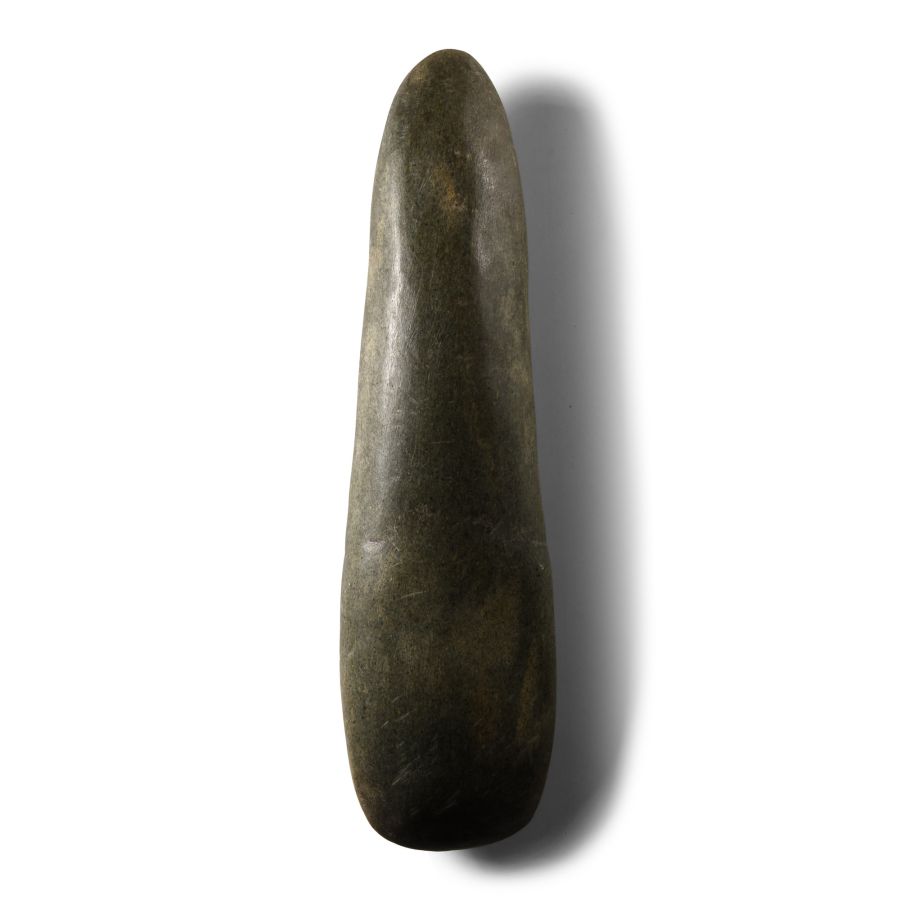
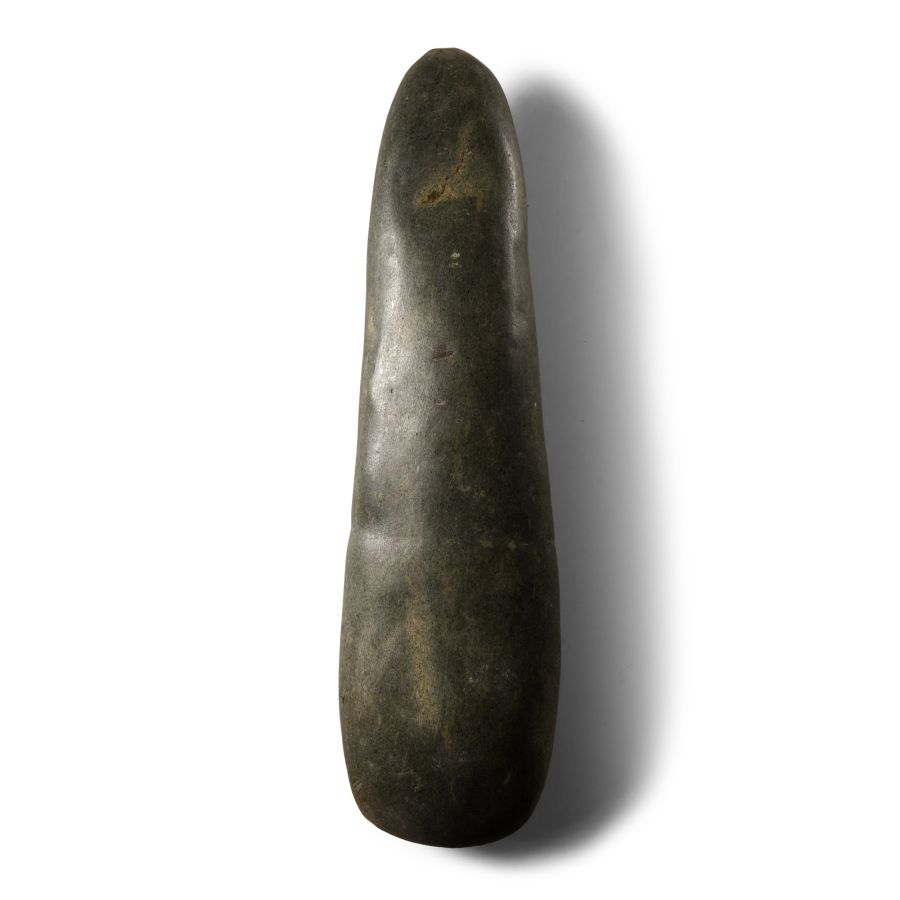
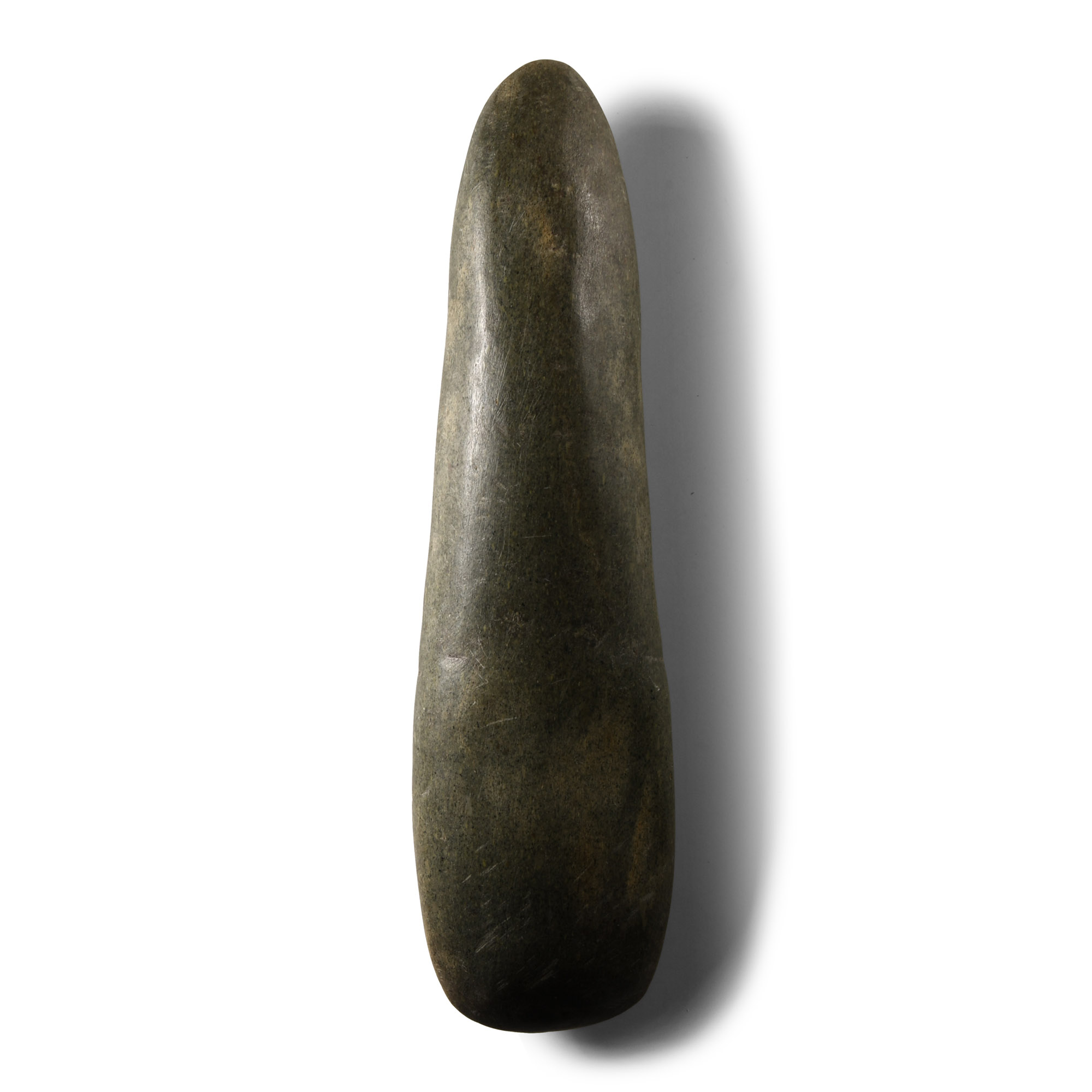
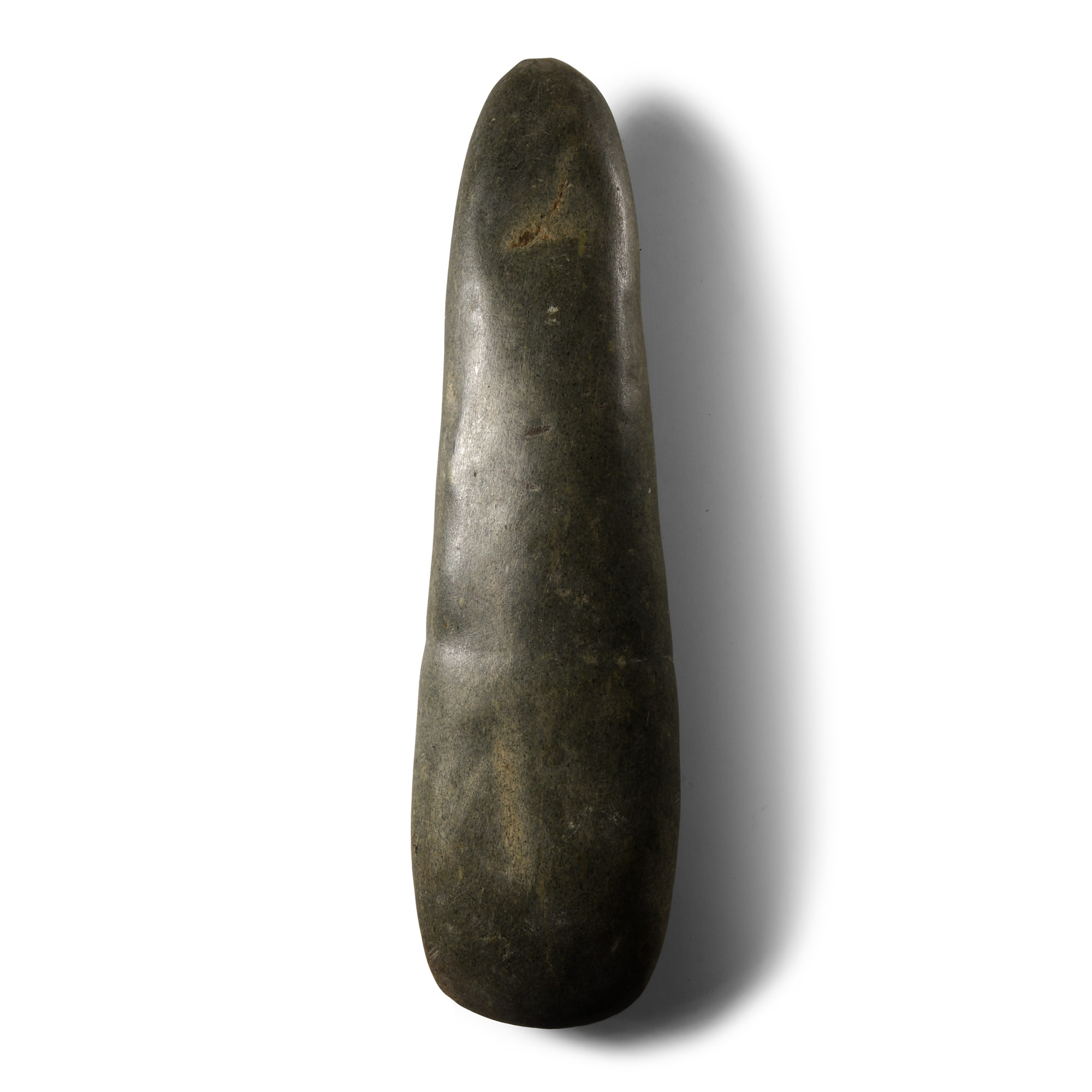
Large Stone Age Polished Axehead
NEOLITHIC PERIOD, CIRCA 4TH-3RD MILLENNIUM B.C.
10 in. (891 grams, 25 cm).
With rounded cutting edge, lentoid cross-section and domed butt. [No Reserve]
ProvenanceFrom a collection acquired on the UK art market from various auction houses and collections mostly before 2000.
From an important Cambridgeshire estate; thence by descent.
Cf. MacGregor, A., (ed.) Antiquities from Europe and the Near East in the Collection of Lord MacAlpine of West Green, Oxford, 1987, item 5.6, for type.
CONDITIONTimeLine Auctions follows a vetting process to ensure the authenticity and legality of all items, reinforcing our commitment to integrity and responsible trading. Each antiquity, antique, and coin lot undergoes thorough examination by a vetting committee of at least ten external specialists, professional trade association members, scientists, and archaeologists: Our Vetting Process
AUCTIONS:
TimeLine is a leading auction house specialising in antiquities, ancient art, collectables, natural history, coins, medals, and books. Our auctions offer museums, collectors, historians, and enthusiasts the opportunity to acquire unique and historically significant pieces.
-
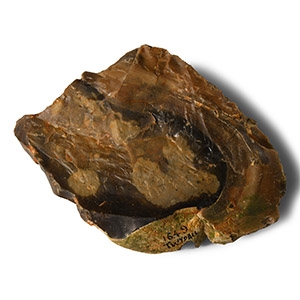
Stone Age Twydall Flint Proto-Handaxe
Lower Palaeolithic Period, circa 400,000 B.P.Sold for (Inc. bp): £59
Of flattened form with some cortex showing on the edges; with an old inked inscription: '1649 Twydall'. 362 grams, 12.2 cm
Found Twydall, Kent, UK. Richard Jones collection, Welling, Kent, UK, 1912-1915. Ex Rochester Museum, Kent collections. Specialist collection of J Edwin Jarvis. Ex Martin Schoyen collection, London, UK. Accompanied by a copy of an article on the site at Twydall. -
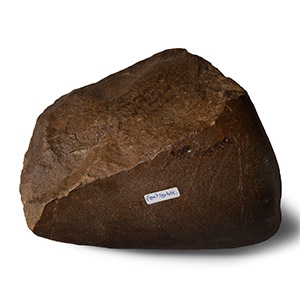
Very Large Stone Age Quartzite Pebble Chopper from Fontsorbes
Lower Palaeolithic Period, circa 500,000-250,000 B.P.Sold for (Inc. bp): £72
A lightly worked cobble fragment with broad cutting edge; produced by the first inhabitants of Southwest France. 1.2 kg, 13 cm
Found Fontsorbes, Haute Garonne, France. Acquired on the UK art market in the 1970s. From the collection of famous UK musician and amateur archaeologist, Victor Brox (1941-2023), formed in the 1980s-1990s. From the private collection of an East Anglian, UK, collector. -
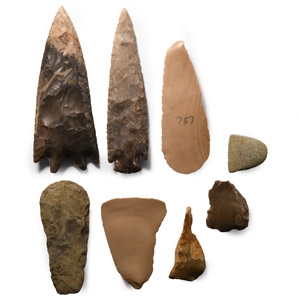
Stone Age Arrowhead and Scraper Group
Neolithic Period, circa 3rd millennium B.C. and laterSold for (Inc. bp): £59
Including narrow flint spearheads with barbs, D-shaped blades, pointed burins and other tools; the larger spearheads probable reproductions. 427 grams total, 3.3-14.5 cm
From a collection acquired on the UK art market from various auction houses and collections mostly before 2000. From an important Cambridgeshire estate; thence by descent.
