
Loading, please wait...
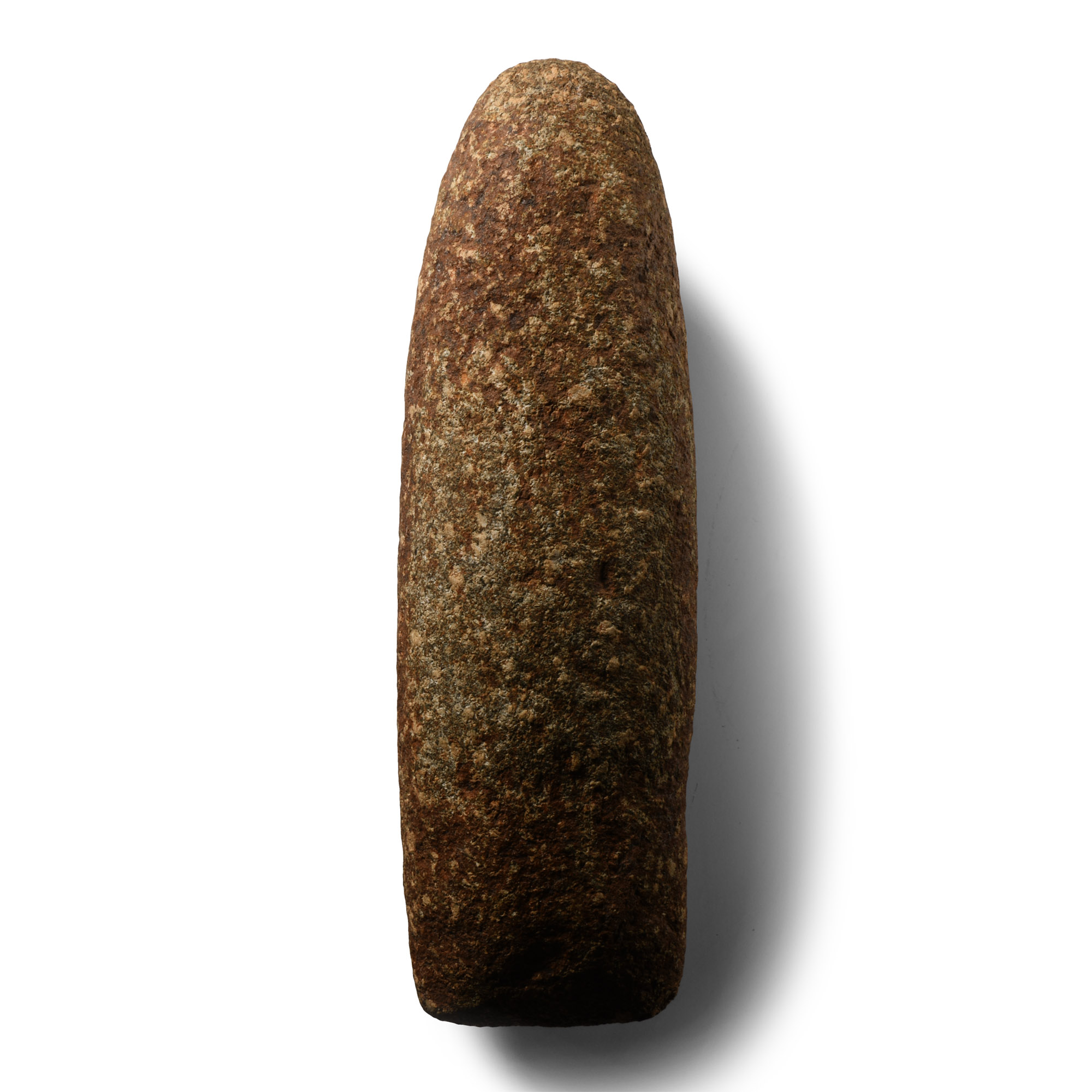
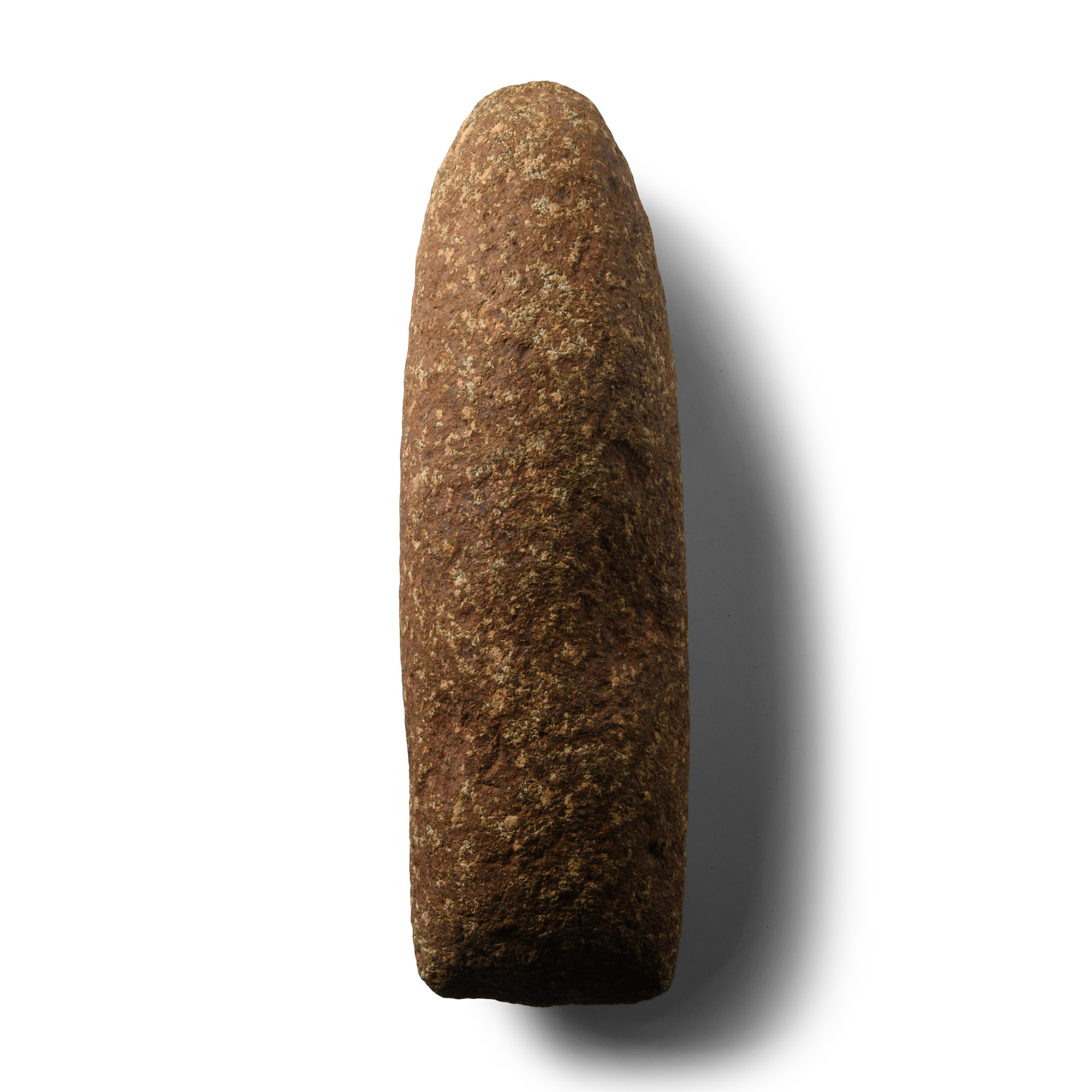
LOT 1566
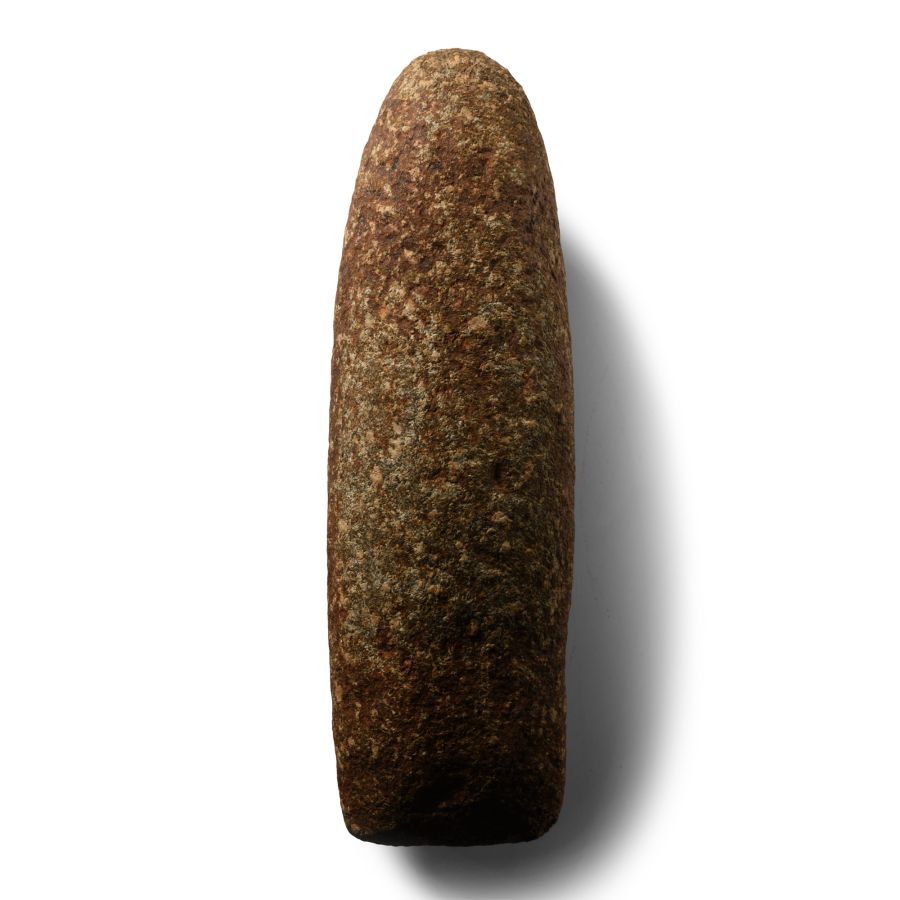
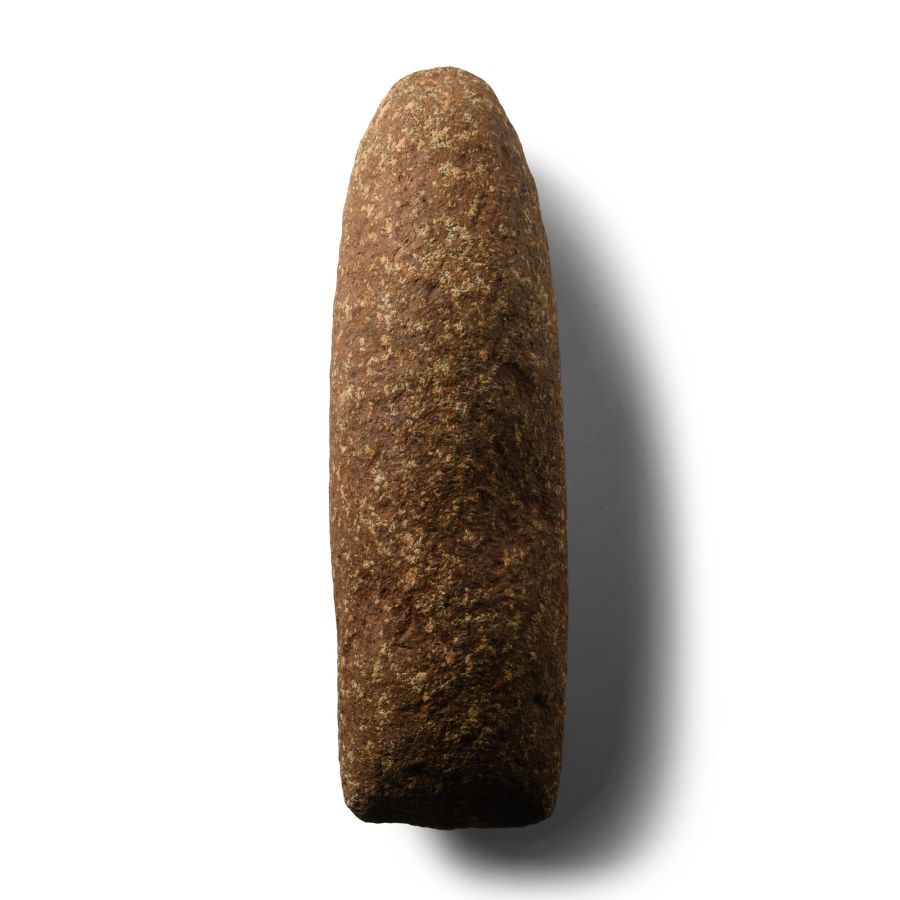
Large Stone Age Pecked Axehead
NEOLITHIC PERIOD, CIRCA 6TH-4TH MILLENNIUM B.C.
8 3/4 inches. (1.271 kg, 22 cm).
Columnar in section with domed butt, narrow straight edge. [No Reserve]
ProvenanceFrom a collection acquired on the UK art market from various auction houses and collections mostly before 2000.
From an important Cambridgeshire estate; thence by descent.
Cf. MacGregor, A., (ed.) Antiquities from Europe and the Near East in the Collection of Lord MacAlpine of West Green, Oxford, 1987, item 5.6.
CONDITIONTimeLine Auctions follows a vetting process to ensure the authenticity and legality of all items, reinforcing our commitment to integrity and responsible trading. Each antiquity, antique, and coin lot undergoes thorough examination by a vetting committee of at least ten external specialists, professional trade association members, scientists, and archaeologists: Our Vetting Process
AUCTIONS:
TimeLine is a leading auction house specialising in antiquities, ancient art, collectables, natural history, coins, medals, and books. Our auctions offer museums, collectors, historians, and enthusiasts the opportunity to acquire unique and historically significant pieces.
-
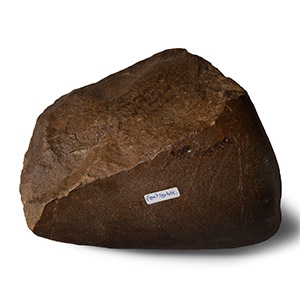
Very Large Stone Age Quartzite Pebble Chopper from Fontsorbes
Lower Palaeolithic Period, circa 500,000-250,000 B.P.Sold for (Inc. bp): £72
A lightly worked cobble fragment with broad cutting edge; produced by the first inhabitants of Southwest France. 1.2 kg, 13 cm
Found Fontsorbes, Haute Garonne, France. Acquired on the UK art market in the 1970s. From the collection of famous UK musician and amateur archaeologist, Victor Brox (1941-2023), formed in the 1980s-1990s. From the private collection of an East Anglian, UK, collector. -
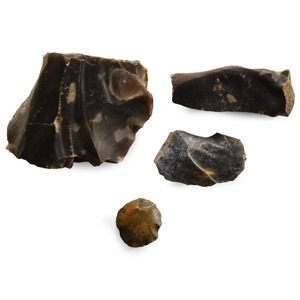
Stone Age Tool and Artefact Group
6th-4th century B.C.Sold for (Inc. bp): £20
Including flint scrapers and a small cleaver. 162 grams total, 23-66 mm
Found on various UK sites since 1974. Property of an Essex collector. -
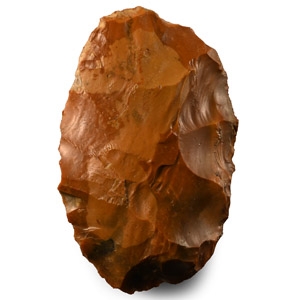
Stone Age 'Watton' Flint Handaxe
Palaeolithic Period, circa 240,000-38,000 B.P.Sold for (Inc. bp): £598
Lentoid in section with rounded butt. 166 grams, 10.5 cm
Found Watton, Norfolk, UK, by a farmer/landowner. From an old Norfolk, UK, collection. From the collection of a South West London, UK, specialist Stone Age collector.
