
Loading, please wait...
LOT 0217
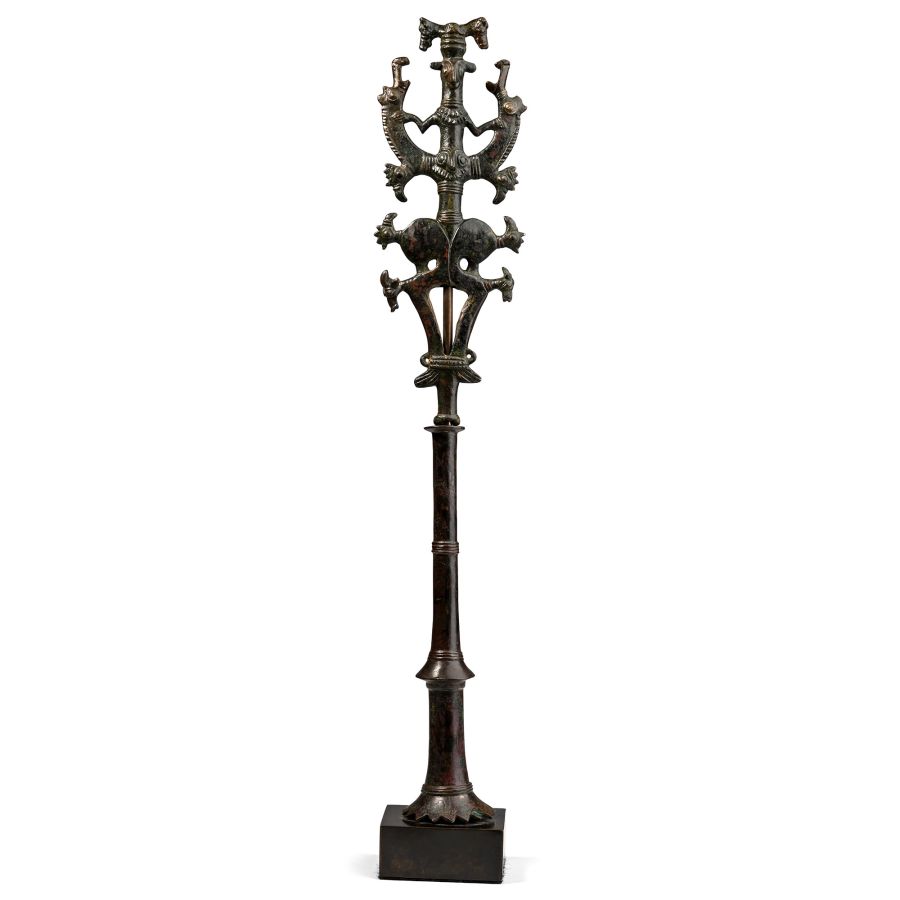
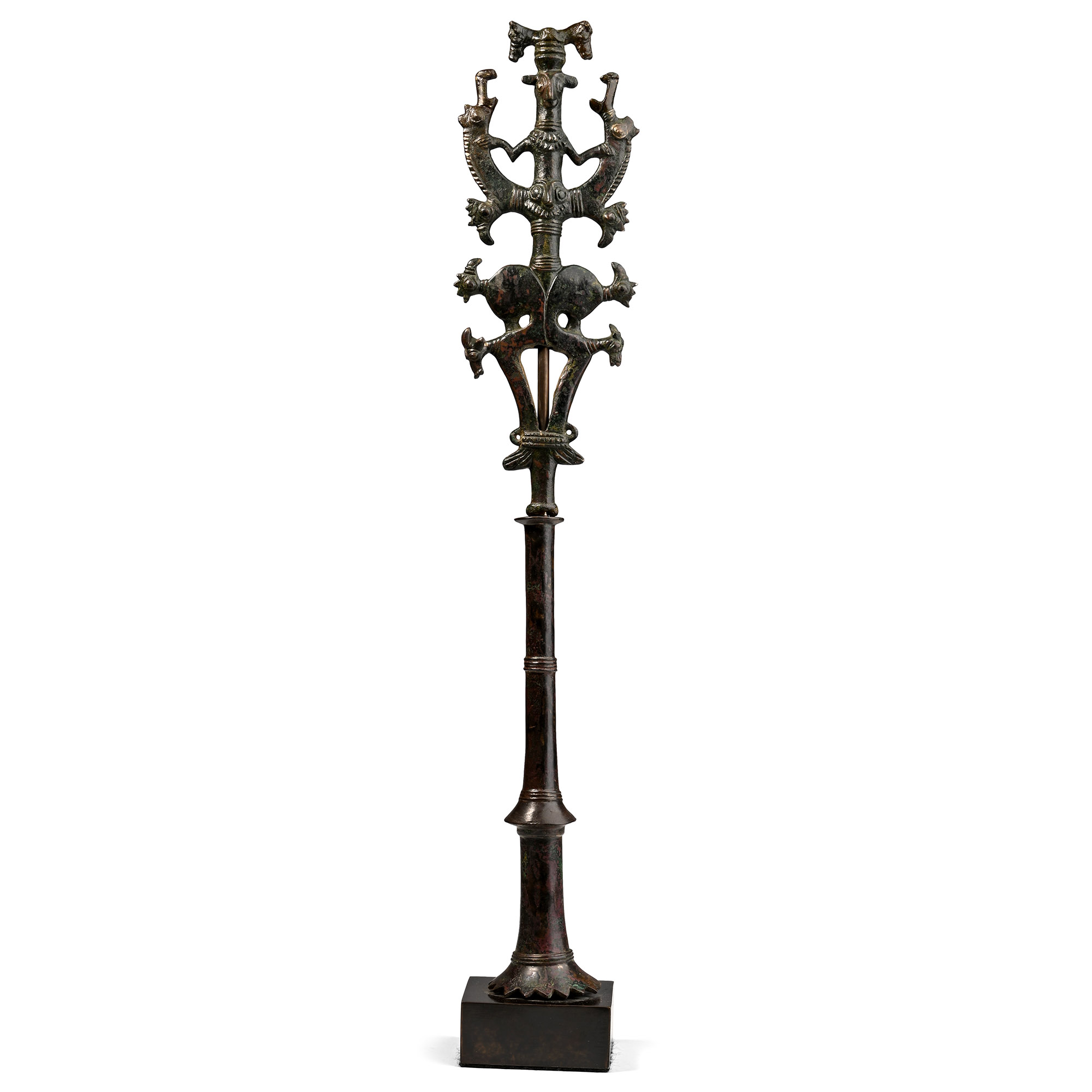
Large Luristan Bronze 'Master of Animals' Bronze Finial
8TH-7TH CENTURY B.C.
17 in. (916 grams total, 43 cm including stand).
Formed as a Master of Animals atop a collared tubular stem with flared foot; the finial composed of two goats with heads returned and a looped band at the rump, above these two birds standing looking up towards two quadrupeds each with a bird's head on the rump; each in the grip of the Master standing crowned between them; the Master with tubular body, animal-like ears, prominent nose above a small mouth and wearing collars, neck rings and tiered headdress with addorsed bovine heads; waisted socket below and flared dentilled rim; mounted on a display stand. [No Reserve]
ProvenanceAcquired in Iran, 1967.
Private collection, UK.
Accompanied by an academic report by Dr Raffaele D'Amato.
This lot has been checked against the Interpol Database of stolen works of art and is accompanied by a search certificate number no.12824-241323.
Cf. Godard, F., The Art of Iran, London, 1965, fig.19, for similar; Chausidis, N., Luristan Standards, iconography semiotics and purpose, Skopje, 2022, p.10, for similar and figs. nos.B11 fig.4, C16 nos.4-5, C17-C20, C32.
FootnotesThe “Master of Animals” is a long-lived Near Eastern motif showing a central figure—human, heroic or divine—grasping two confronting beasts, usually by their necks or forelegs. First seen in late 4th–3rd millennium BC Mesopotamian seals, it spread across Iran, Anatolia and the Levant and remained current into the 1st millennium BC. Its meaning is straightforward and powerful: control over the wild, the protection of order, and the sanction of royal or divine authority. The image appears on seals, plaques and weapons, and in the round on bronze fittings and finials (notably in Luristan), where it likely marked status and carried an apotropaic force. For collectors, the type is prized for its clear silhouette and economy of form, the instant legibility of a hero mastering chaos, a theme as old as the first cities and as compelling today.
CONDITIONTimeLine Auctions follows a vetting process to ensure the authenticity and legality of all items, reinforcing our commitment to integrity and responsible trading. Each antiquity, antique, and coin lot undergoes thorough examination by a vetting committee of at least ten external specialists, professional trade association members, scientists, and archaeologists: Our Vetting Process
AUCTIONS:
TimeLine is a leading auction house specialising in antiquities, ancient art, collectables, natural history, coins, medals, and books. Our auctions offer museums, collectors, historians, and enthusiasts the opportunity to acquire unique and historically significant pieces.
LOT 0217
Large Luristan Bronze 'Master of Animals' Bronze Finial
Sold for (Inc. bp): £2,340
-
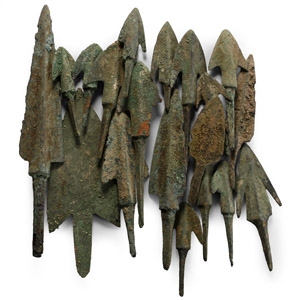
Greek and Luristan Bronze Arrowhead Collection
2nd-1st millennium B.C.Sold for (Inc. bp): £130
Mainly small leaf-shaped and triangular-headed tanged types. 136 grams total, 3.8-11.1 cm
Ex London, UK, collection, 1990s. -
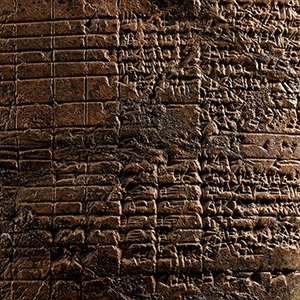
Very Large Sumerian Terracotta Cuneiform Tablet Recording Commodities for Various Named individuals
3rd millennium B.C.Sold for (Inc. bp): £3,380
Rectangular in plan with rounded edges, obverse with incised grid and dense cuneiform text across about half the available surface; one corner chipped. 931 grams, 17.2 cm
with Archaeologia, Switzerland, before 1983. Ex private North American collection. London private collection, 2016. -
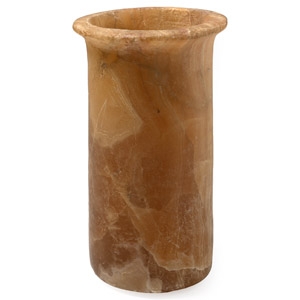
Mesopotamian Stone Vase
1st millennium B.C.Sold for (Inc. bp): £124
Slightly flared tubular body with flat everted rim. 311 grams, 10.4 cm
Ex Mayfair, London, UK, gallery, 2000s.
