
Loading, please wait...
LOT 1295
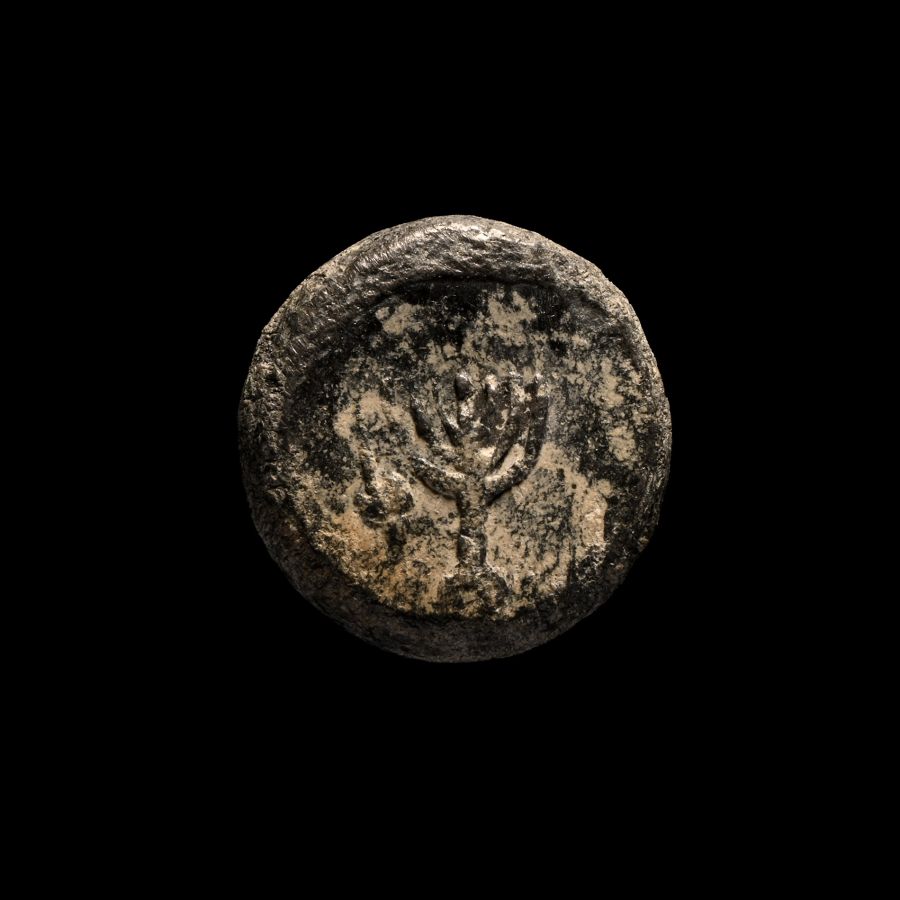
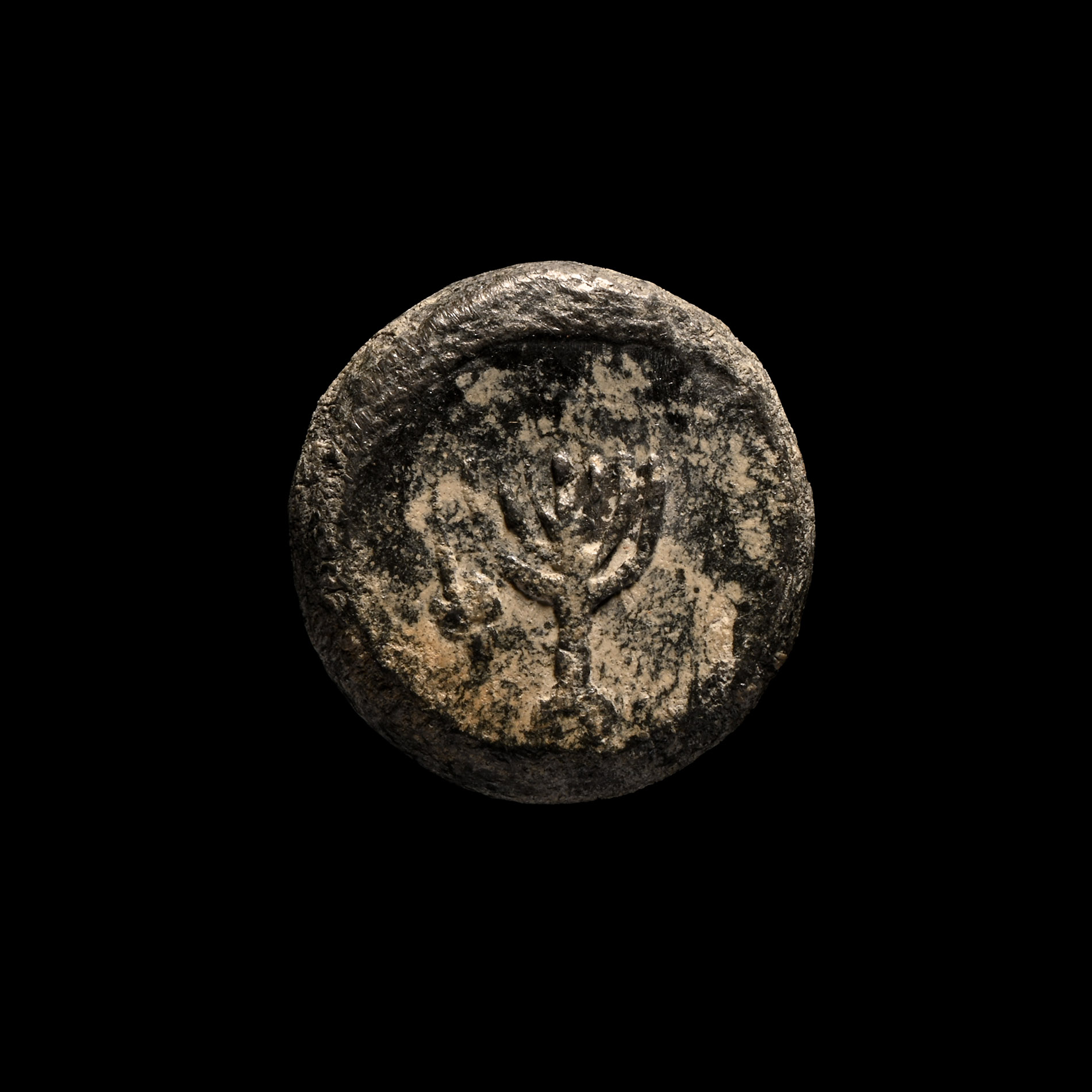
Large Judaean Lead Sealing with Menorah
CIRCA 2ND-4TH CENTURY A.D.
3/4 in. (15.36 grams, 19 mm).
Discoid seal or weight with reserved menorah to one face.
ProvenanceCollected from 1969-1999.
From the collection of the late Mr S.M., London, UK.
TimeLine Auctions follows a vetting process to ensure the authenticity and legality of all items, reinforcing our commitment to integrity and responsible trading. Each antiquity, antique, and coin lot undergoes thorough examination by a vetting committee of at least ten external specialists, professional trade association members, scientists, and archaeologists: Our Vetting Process
AUCTIONS:
TimeLine is a leading auction house specialising in antiquities, ancient art, collectables, natural history, coins, medals, and books. Our auctions offer museums, collectors, historians, and enthusiasts the opportunity to acquire unique and historically significant pieces.
-
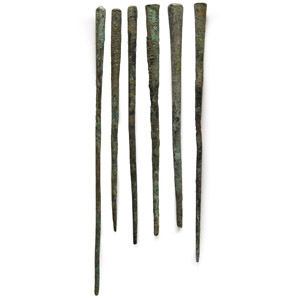
Luristan Bronze Dress Pin Collection
Bronze Age, 13th-7th century B.C.Sold for (Inc. bp): £33
Each with tapering profile and clubbed head. 62 grams total, 10.8 cm
From a collection acquired on the UK art market from various auction houses and collections mostly before 2000. From an important Cambridgeshire estate; thence by descent. -
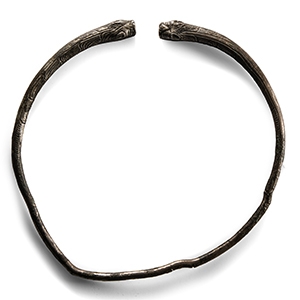
Achaemenid Silver Torc with Animal Heads
6th-4th century BCSold for (Inc. bp): £143
Penannular with tapering round-section profile, hatched panels developing to club-ended finials with beast-head detailing. 86 grams, 13 cm
UK private collection before 2000. UK art market. Property of a London gentleman. -
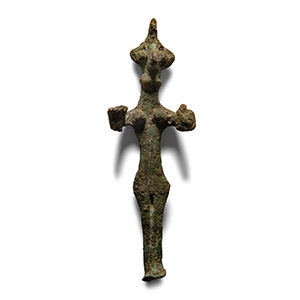
Syro-Hittite Bronze Female Idol
2nd millennium B.C.Sold for (Inc. bp): £650
Modelled in the round standing figure with pinched facial features, transverse collar, applied breasts, arms bent forward, legs close together. 17.7 grams, 83 mm
Private collection of Mr S.A., Switzerland, 1990s, thence by descent.
The Syro-Hittite states rose to prominence in northern Syria and southern Anatolia (modern Turkey) following the collapse of the Hittite Empire, during which time many such figures were produced and widely distributed for domestic use. Such figures, later pejoratively referred to as 'idols', depicted deities often carrying or standing with animals. The present figure's arms are positioned as if holding a lamb or other small animal.
