
Loading, please wait...
LOT 1004
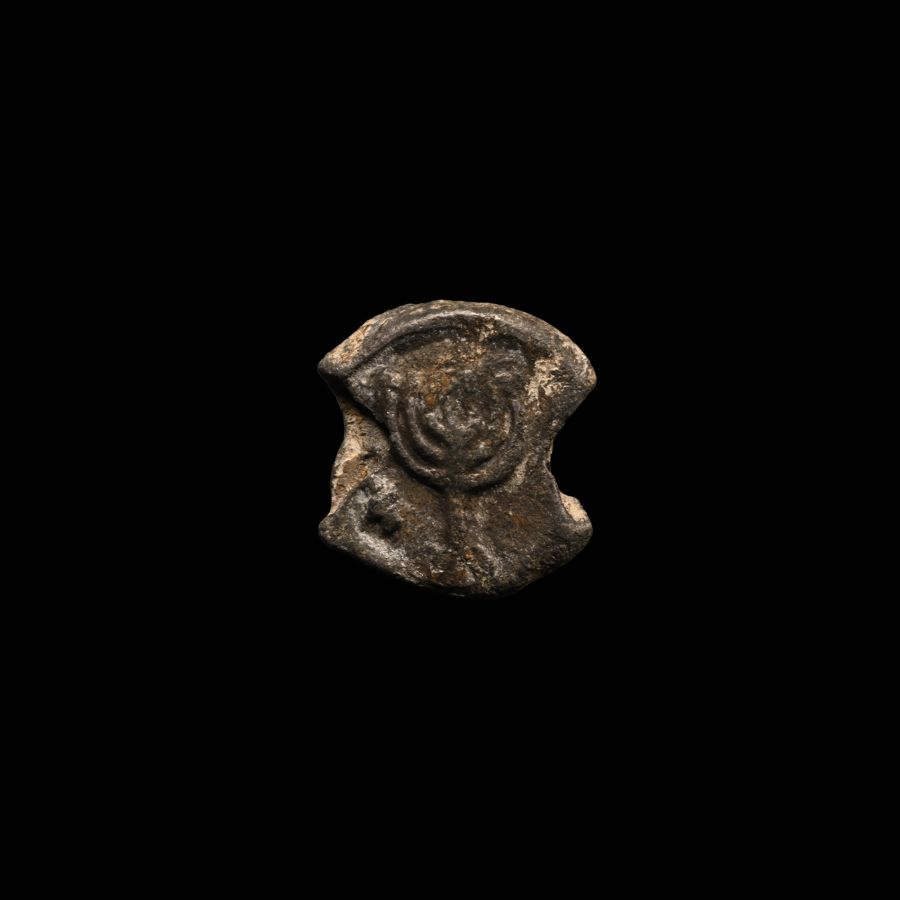
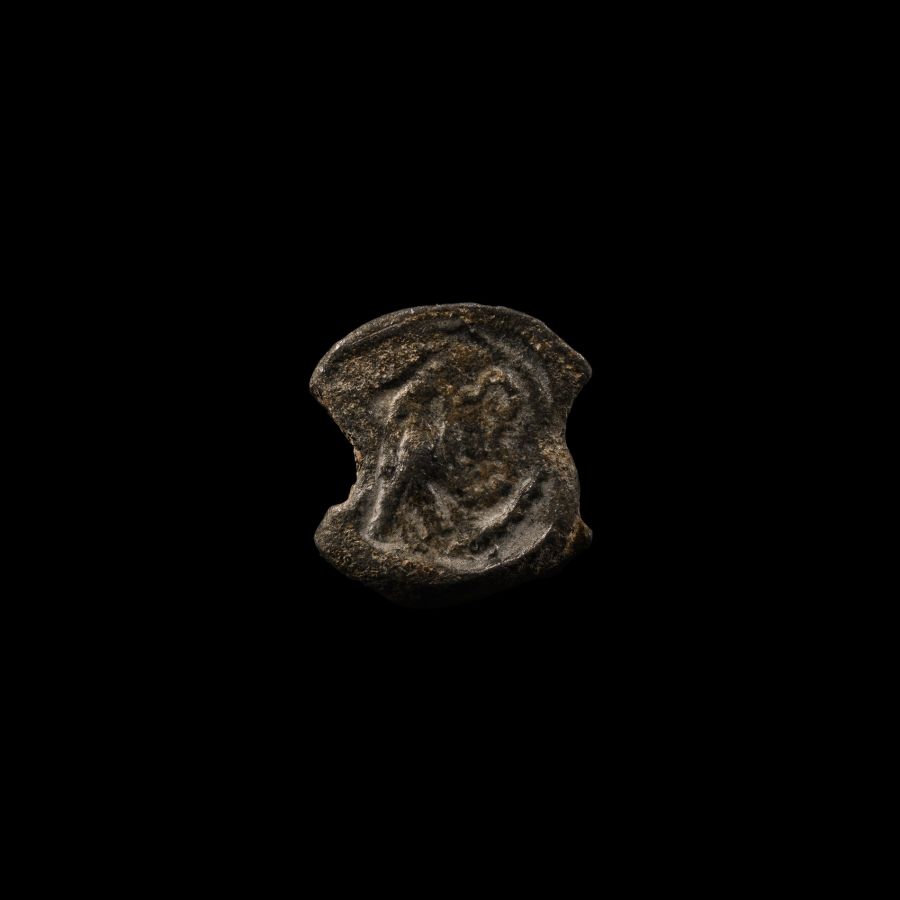
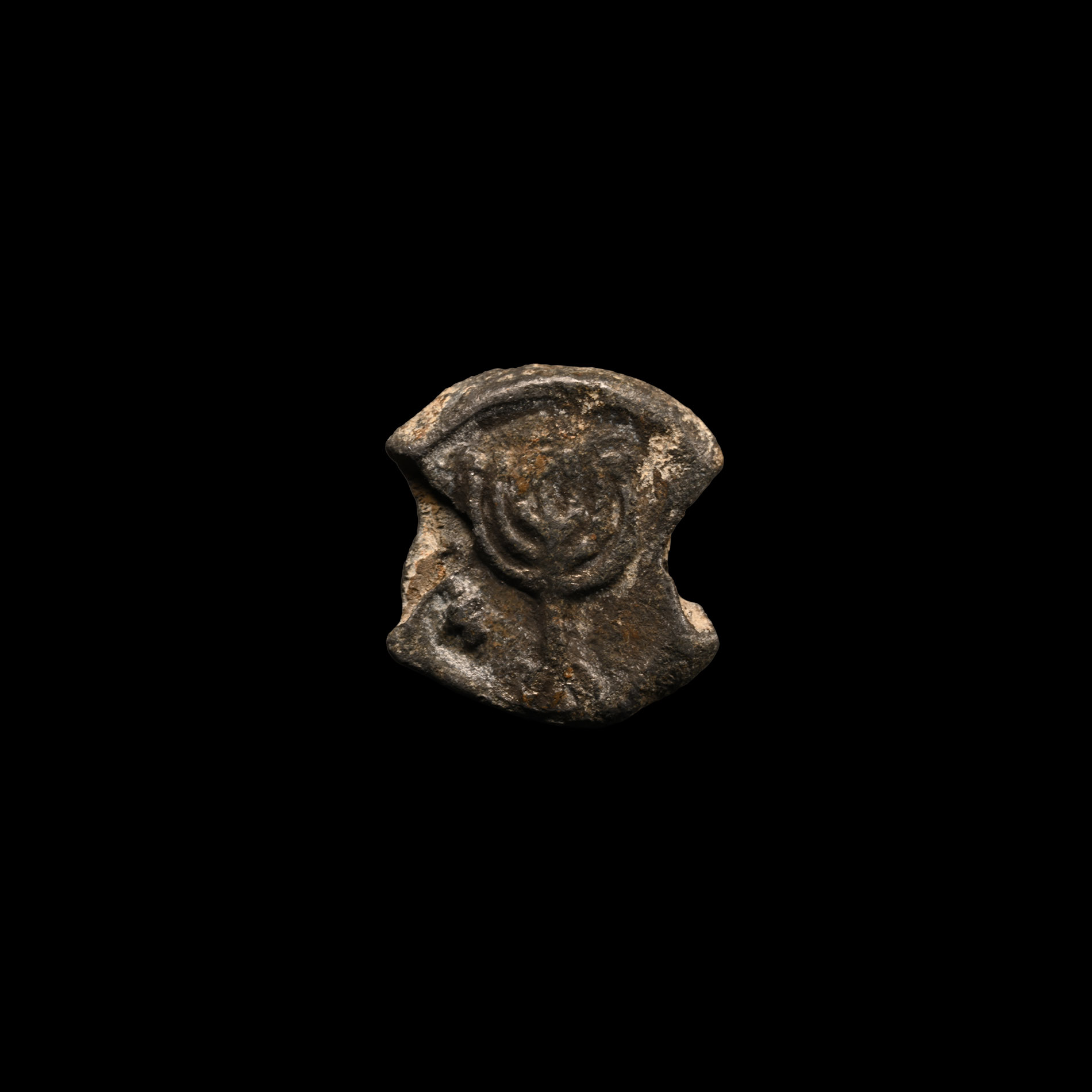
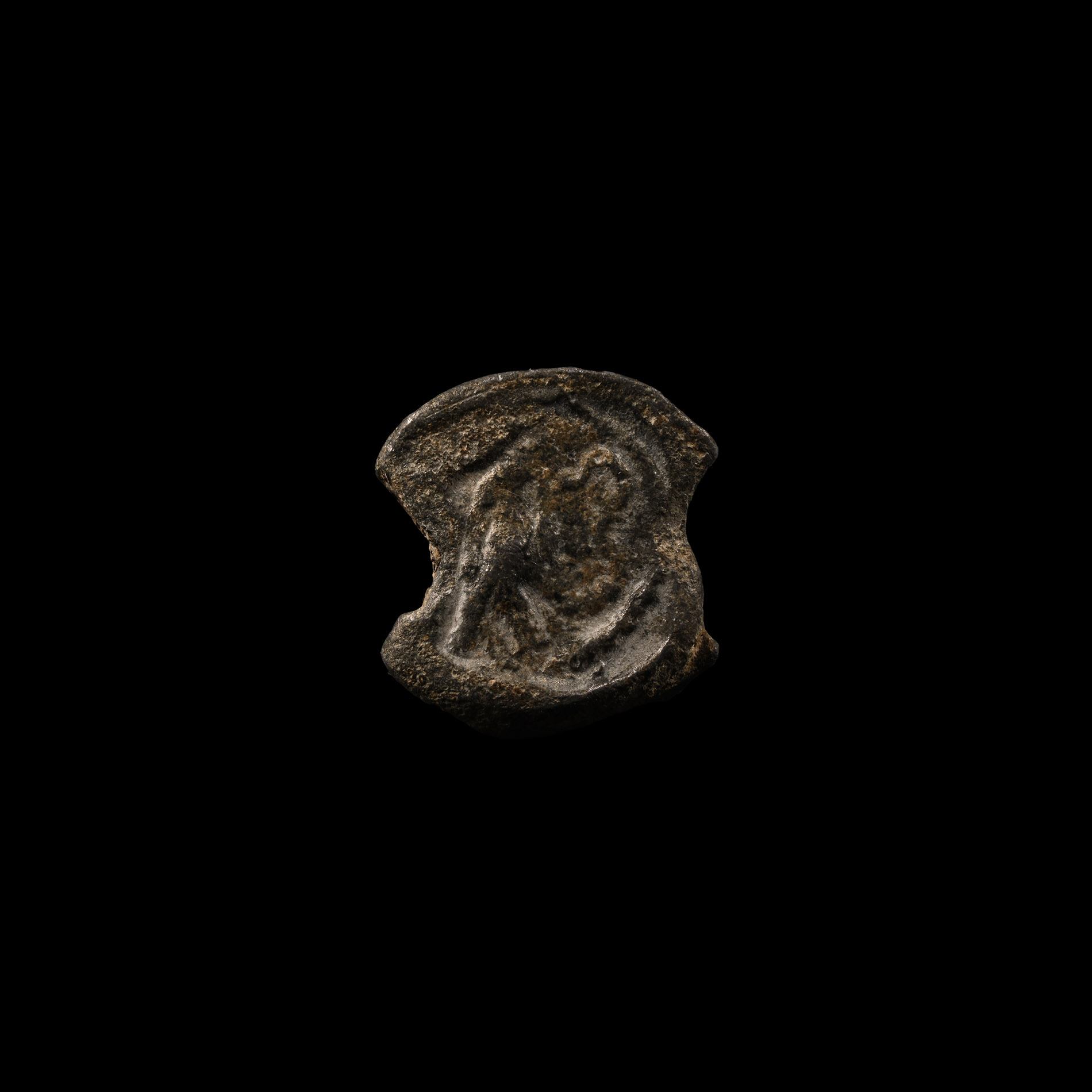
Large Jewish Sealing with Menorah
CIRCA 2ND CENTURY A.D.
5/8 in. (3.9 grams, 15 mm).
Of discoid form displaying a menorah in raised relief, bird and snake to the other.
ProvenanceAcquired 1969-1999.
From the private collection of the late Mr S.M., London, UK, thence by descent.
TimeLine Auctions follows a vetting process to ensure the authenticity and legality of all items, reinforcing our commitment to integrity and responsible trading. Each antiquity, antique, and coin lot undergoes thorough examination by a vetting committee of at least ten external specialists, professional trade association members, scientists, and archaeologists: Our Vetting Process
AUCTIONS:
TimeLine is a leading auction house specialising in antiquities, ancient art, collectables, natural history, coins, medals, and books. Our auctions offer museums, collectors, historians, and enthusiasts the opportunity to acquire unique and historically significant pieces.
-
Fatimid Bone Knife Handle with Seated Lion
10th-12th century A.D.Estimate: £300 - 400 (+bp*)
Opening Bid: £133
Elliptical in section and tapering with socket to the lower end, finial to the upper end carved as a lion crouching with incised detailing. 25.4 grams, 14 cm
with a London, UK gallery 1971-early 2000s. -
.jpg)
Central Asian Ziwiye Turquoise Frit Offering Basket
Circa 6th century B.C.Estimate: £1,800 - 2,400 (+bp*)
Opening Bid: £800
Conical outer body with pierced geometric panels, handle surmounted by facing quadrupeds flanking a swan at apex, horned bull's heads to either handle base. 982 grams, 23.2 cm
With the previous owner, 1990-2012. Acquired in 2012. Accompanied by an IADAA search certificate dated 9 April 2020. -
Sumerian Clay Cuneiform Tablet with Administrative Sargonic Text
Mid 3rd millennium B.C.Sold for (Inc. bp): £364
To two faces of the lentoid-section tablet. 29.3 grams, 39 mm
Specialised collection of cuneiform texts, the property of a London gentleman and housed in London before 1992. Thence by descent to family members. Examined by Professor Wilfrid George Lambert FBA (1926-2011), historian, archaeologist, and specialist in Assyriology and Near Eastern archaeology, in the late 1980s and early 1990s. The collection is exceptional for the variety of types, including some very rare and well preserved examples.
