
Loading, please wait...
LOT 1247
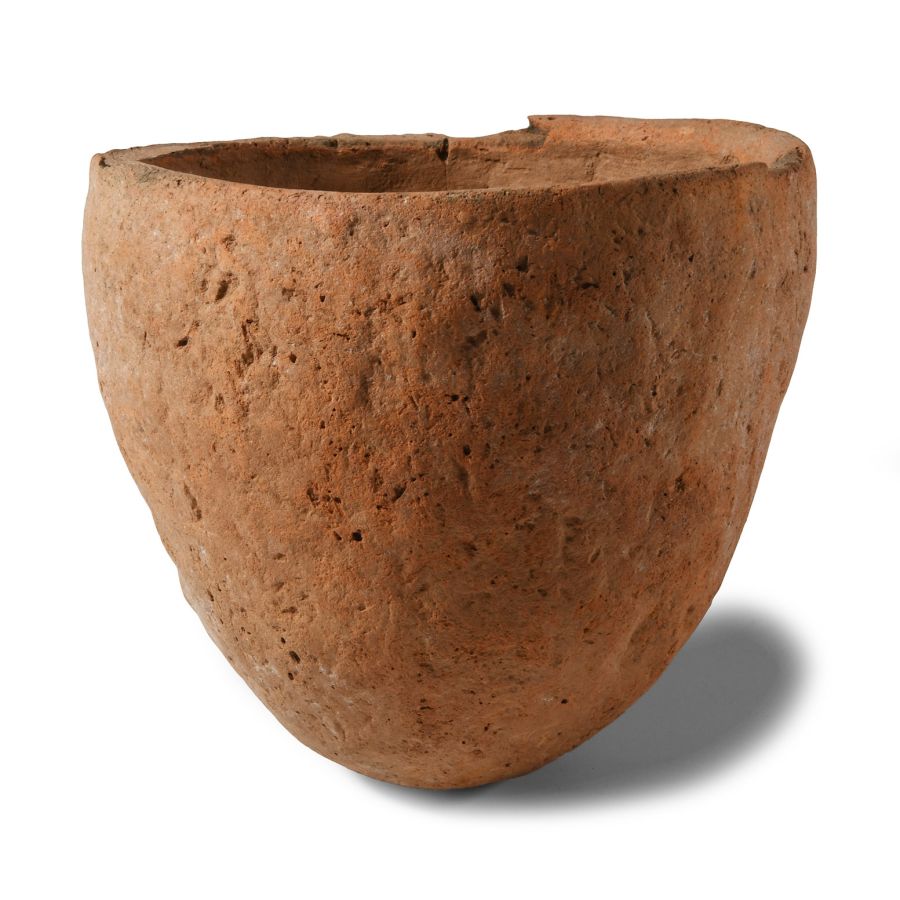
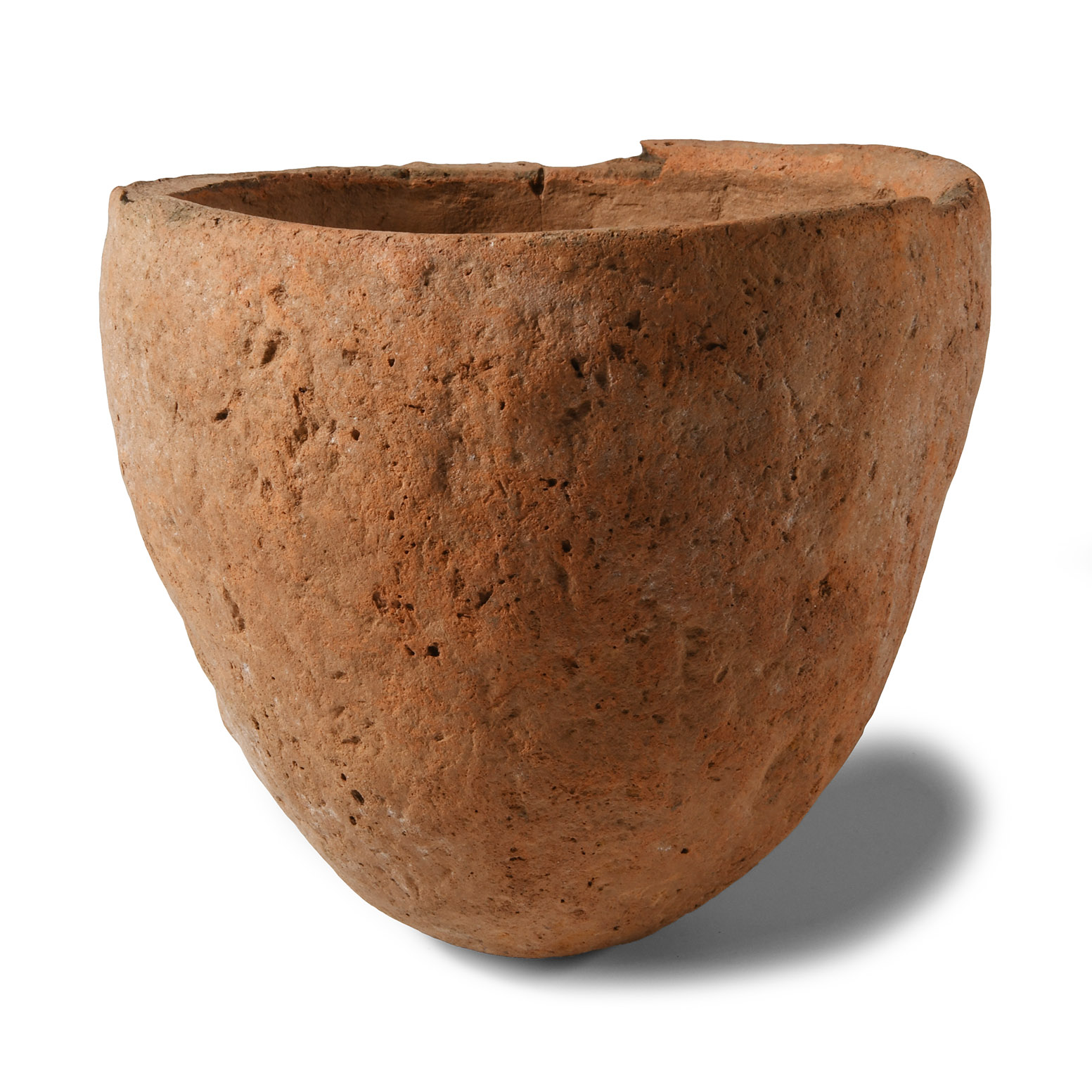
Large Holy Land Pottery Cup
BRONZE AGE, 16TH-14TH CENTURY B.C.
4 1/2 in. (513 grams, 11.5 cm).
Ovoid in profile with thick rim and rounded underside. [No Reserve]
ProvenanceFrom a collection acquired on the UK art market from various auction houses and collections mostly before 2000.
From an important Cambridgeshire estate; thence by descent.
TimeLine Auctions follows a vetting process to ensure the authenticity and legality of all items, reinforcing our commitment to integrity and responsible trading. Each antiquity, antique, and coin lot undergoes thorough examination by a vetting committee of at least ten external specialists, professional trade association members, scientists, and archaeologists: Our Vetting Process
AUCTIONS:
TimeLine is a leading auction house specialising in antiquities, ancient art, collectables, natural history, coins, medals, and books. Our auctions offer museums, collectors, historians, and enthusiasts the opportunity to acquire unique and historically significant pieces.
-
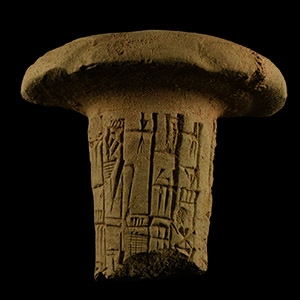
Mesopotamian Cuneiform Foundation Nail
3rd-2nd millennium B.C.Sold for (Inc. bp): £442
Conical foundation nail fragment with broad domed top, columns of cuneiform text to the shank. 322 grams, 96 mm
Acquired in London in 1995. European private collection.
Temple nails or cones were placed in the foundations of newly-built temples. Their form imitates nails or pegs and they bear inscriptions stating the name of the reigning king and regnal year, and the god(s) to whom the temple was dedicated. -
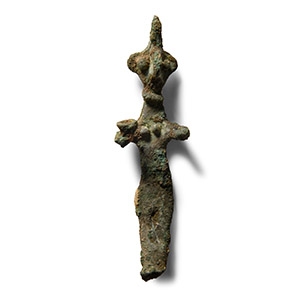
Syro-Hittite Bronze Figure
2nd millennium B.C.Estimate: £400 - 600 (‡+bp*)
Opening Bid: £200
Modelled in the round, standing figure with pinched facial features, transverse collar, applied pellet eyes and breasts, arms bent forward, legs closed together; the right hand holds a cup or bowl. 13.7 grams, 73 mm
Private collection of Mr S.A., Switzerland, 1990s, thence by descent. -
.jpg)
Bactrian Silver Walking Stick Attachment
2nd millennium B.C.Estimate: £400 - 600 (+bp*)
Opening Bid: £200
Hollow-formed cylinder seal-type attachment, possibly from a walking stick or a furniture fitting, with a frieze of opposed seated figures, beasts and other details; accompanied by a museum-quality impression. 32.33 grams, 31 mm
Fair condition. Very rare.
Acquired before 1990. With a central London gallery. Private collection of a North West London lady.
