
Loading, please wait...
LOT 0473
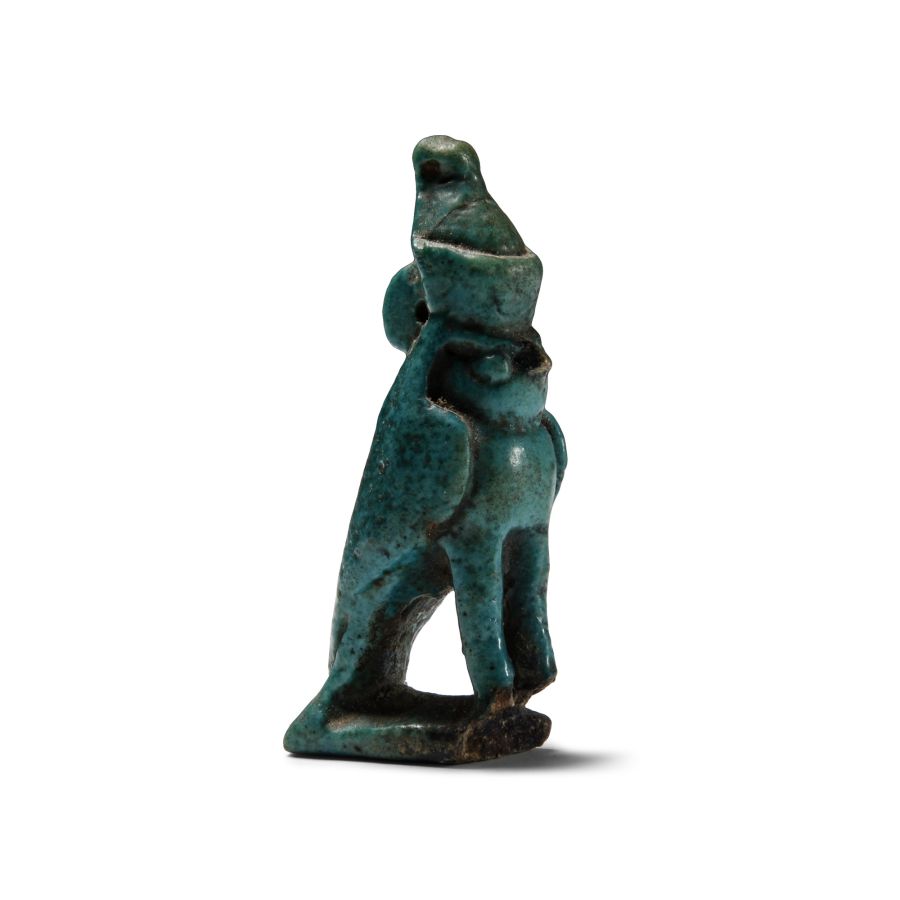
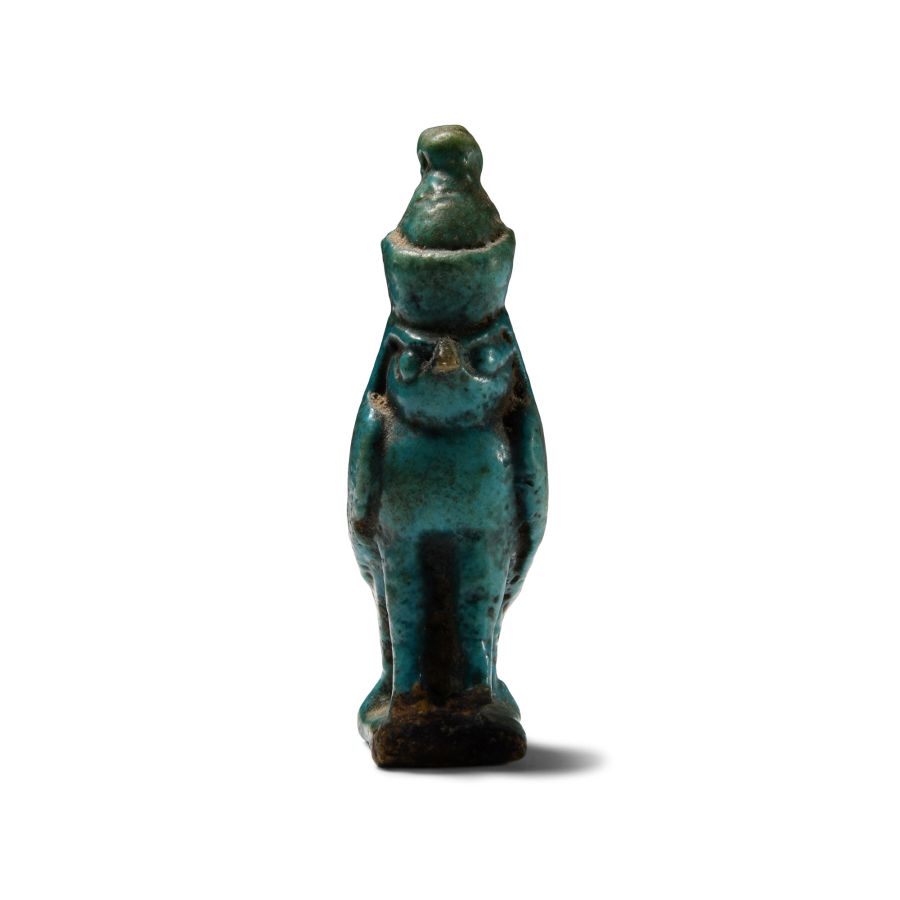
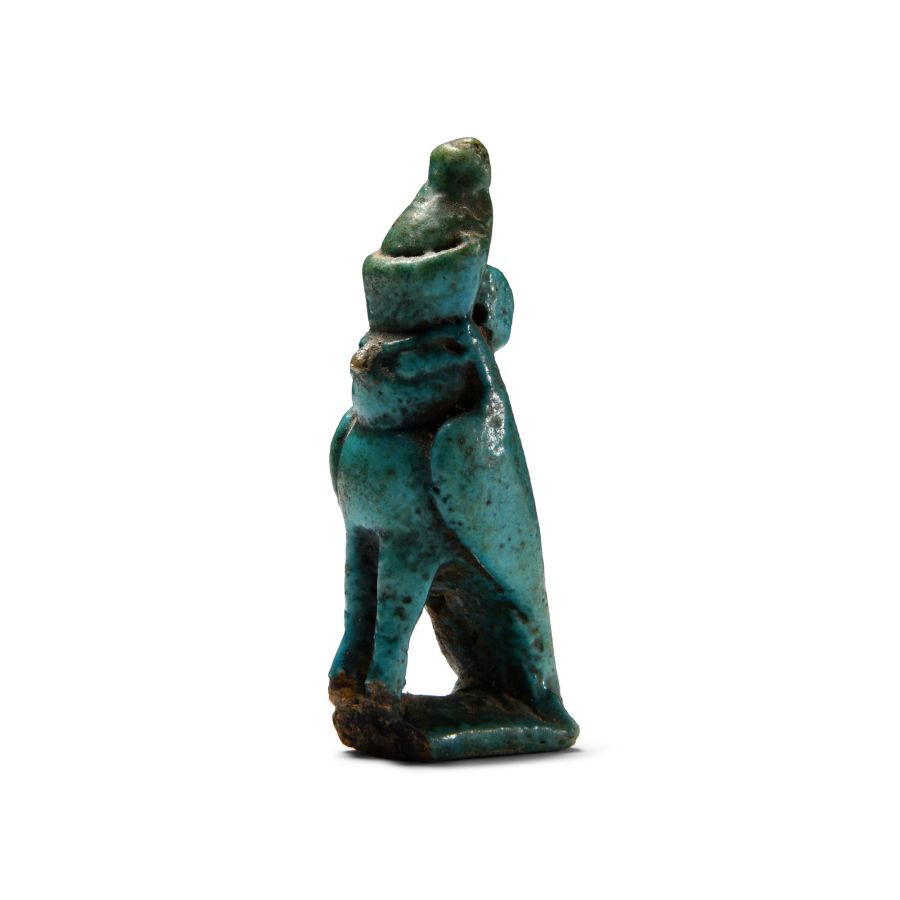
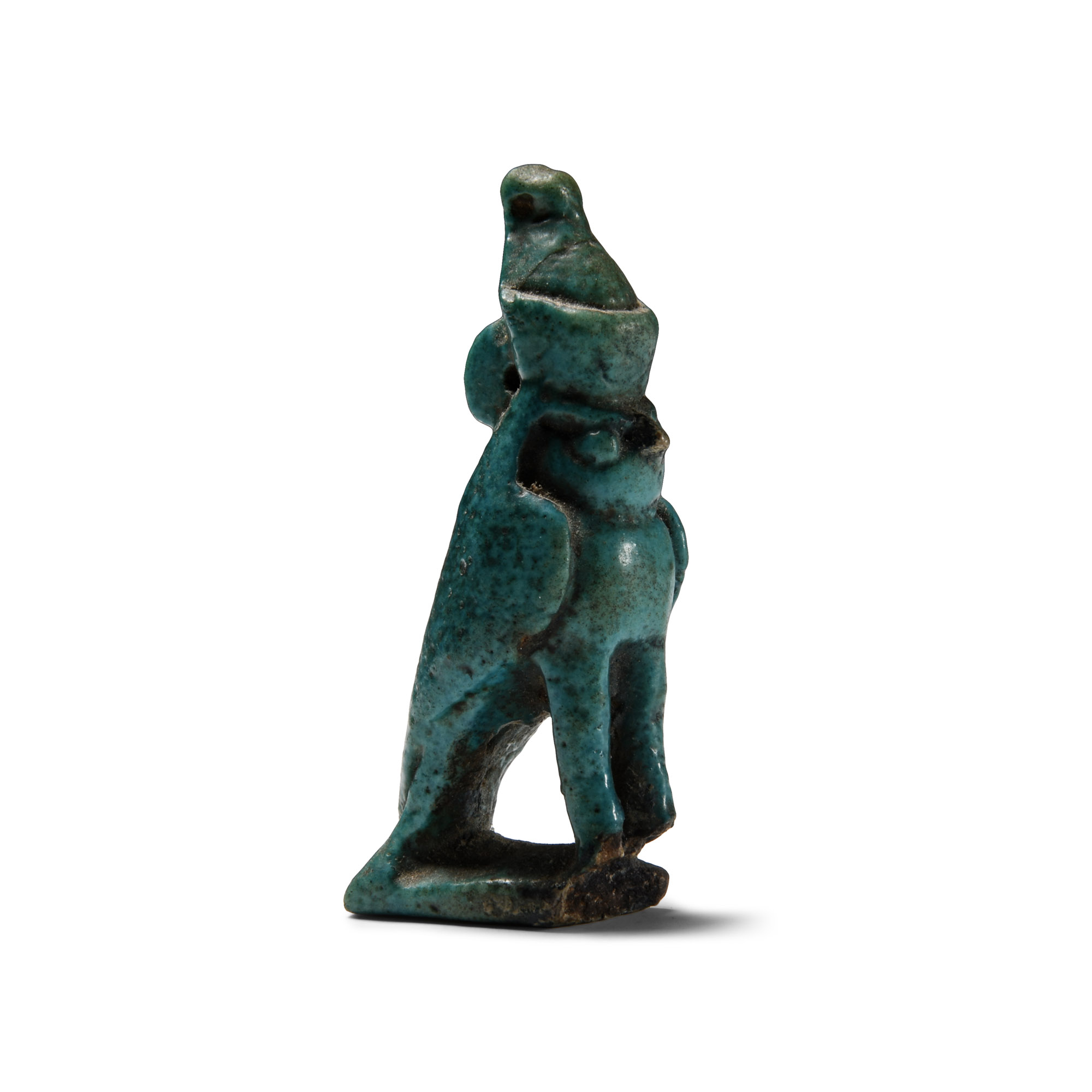
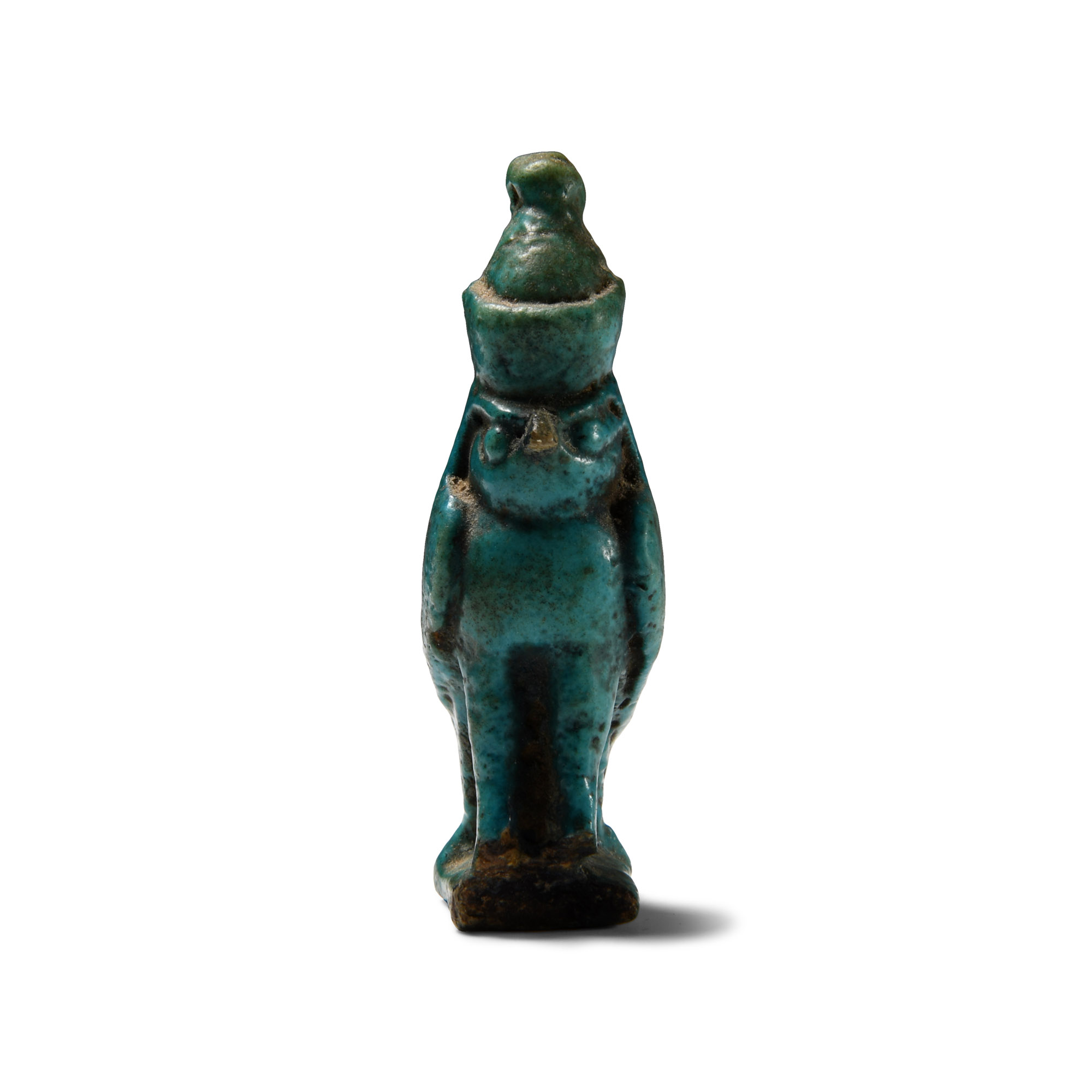
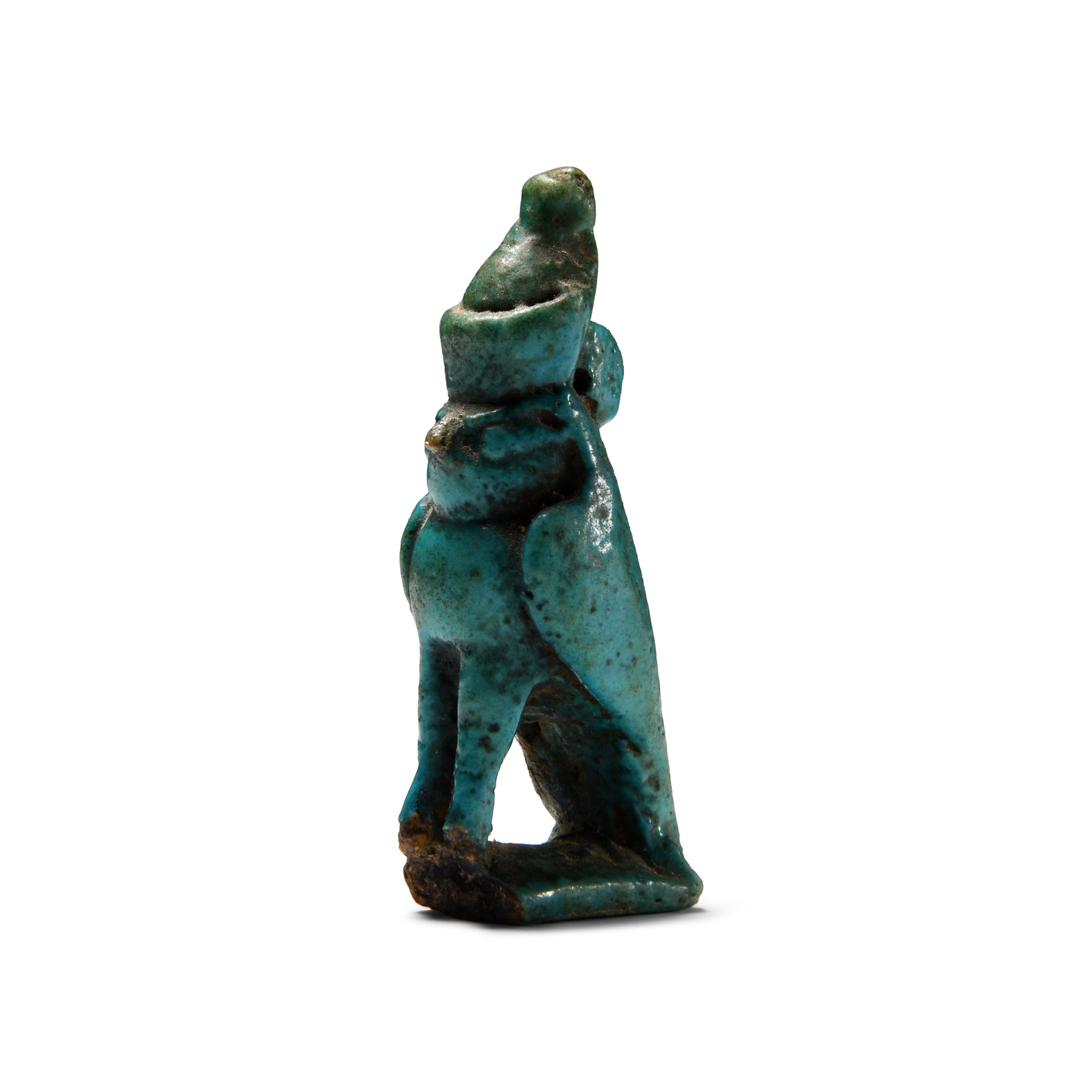
Large Egyptian Blue Glazed Horus Amulet
LATE NEW KINGDOM-THIRD INTERMEDIATE PERIOD, CIRCA 1300-700 B.C.
2 1/8 in. (12.5 grams, 54 mm).
Modelled in the round as a perching falcon on a rectangular base and wearing the double-crown; loop to rear of head. [No Reserve]
ProvenanceFrom an old Suffolk, UK, collection.
Acquired in the UK before 1980.
From the personal collection of Derek Rogers, Suffolk, UK.
Cf. Andrews, C., and van Dijk, J., Objects for Eternity: Egyptian Antiquities from the W. Arnold Meijer Collection, Mainz am Rhein, 2006, p.231, no.3.45, for a similar example.
FootnotesThe falcon amulet was a symbol of Horus, the god of the sky, war, and protection.
CONDITIONTimeLine Auctions follows a vetting process to ensure the authenticity and legality of all items, reinforcing our commitment to integrity and responsible trading. Each antiquity, antique, and coin lot undergoes thorough examination by a vetting committee of at least ten external specialists, professional trade association members, scientists, and archaeologists: Our Vetting Process
AUCTIONS:
TimeLine is a leading auction house specialising in antiquities, ancient art, collectables, natural history, coins, medals, and books. Our auctions offer museums, collectors, historians, and enthusiasts the opportunity to acquire unique and historically significant pieces.
-
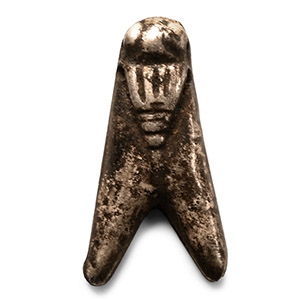
Egyptian Silver Fly Amulet
Late Period, 664-332 B.C.Sold for (Inc. bp): £124
Formed as a fly with long triangular wings and domed eyes. 0.84 grams, 16 mm
From an early 20th century collection.
Considering Egyptian artists often depicted fly whisks in the hands of pharaohs and high officials, one might assume that flies were simply a nuisance. However, the Egyptians held flies in high regard due to their quick speed, reactions, and persistence. Small fly amulets first appeared in burials during the Naqada II Period, c. 3200 B.C. These amulets grew in popularity, and the materials used to make them expanded during the New Kingdom. They are crafted from various materials such as gold, silver, lapis lazuli, carnelian, amethyst, faience, and bone. These amulets were thought to protect against insect bites and to ward off troublesome flying creatures through apotropaic magic. Some believe they may have even been intended to symbolise the fly’s fecundity. Additionally, pharaohs would bestow gold fly-shaped pendants as military awards to honour soldiers' bravery and fly-like persistence in battle. -
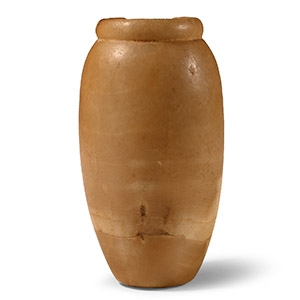
Egyptian Ovoid Alabaster Jar
Early Dynastic Period, circa 3100-2900 B.C.Estimate: £1,000 - 1,400 (+bp*)
Opening Bid: £389
With rounded lip, and oval body slightly tapering to a flat base. 517 grams, 11.5 cm high
Mary Stout Shaw (1880-1962); thence by direct descent to the present owner. Accompanied by a copy of a 1976 family photo featuring some of the collection on display.
Mary Kilgour Stone was born in 1880 in Cincinnati, Ohio. On 25 November 1903, she married Percy Wyfold Stout from Gloucester (DSO, OBE, 1875-1937), who had moved to Cairo after an international rugby career. After fighting in the First World War, Percy became the Director of the Egyptian Delta Land Company and the Anglo-American Nile Tourist Company. He and Mary were friends with the famous Major Gayer-Anderson, who worked as a doctor on the company’s cruise boats between 1930 and 1939. Gayer-Anderson tells in his memoir how this allowed him to make frequent trips to Upper Egypt and fulfil his passion for collecting (and dealing in) ancient Egyptian art. In his company, Mary became an enthusiast about all things Egypt and formed an elegant collection of ancient Egyptian alabaster vessels, including the following lots. She was particularly fascinated with the ancient cat goddess Bastet. Therefore, when Gayer-Anderson decided to give his famous ancient bronze cat to the British Museum in 1939, he made sure the donation was in both his name and Mary Stout Shaw’s, as a tribute to their friendship. -
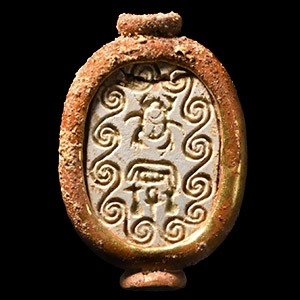
Egyptian Gold Mounted Scarab Bead
Middle Kingdom-Second Intermediate Period, circa 1900-1560 B.C.Estimate: £400 - 600 (+bp*)
Opening Bid: £200
Comprising a faience scarab with a scroll-work border framing the vertically arranged hieroglyphs: kheper beetle, nwb sign for gold, and two nfr signs flanking an ankh sign, set in a gold funda with tubular collars. 3.36 grams, 20 mm
From an early 20th century Home Counties, UK, collection.
