
Loading, please wait...
LOT 0580
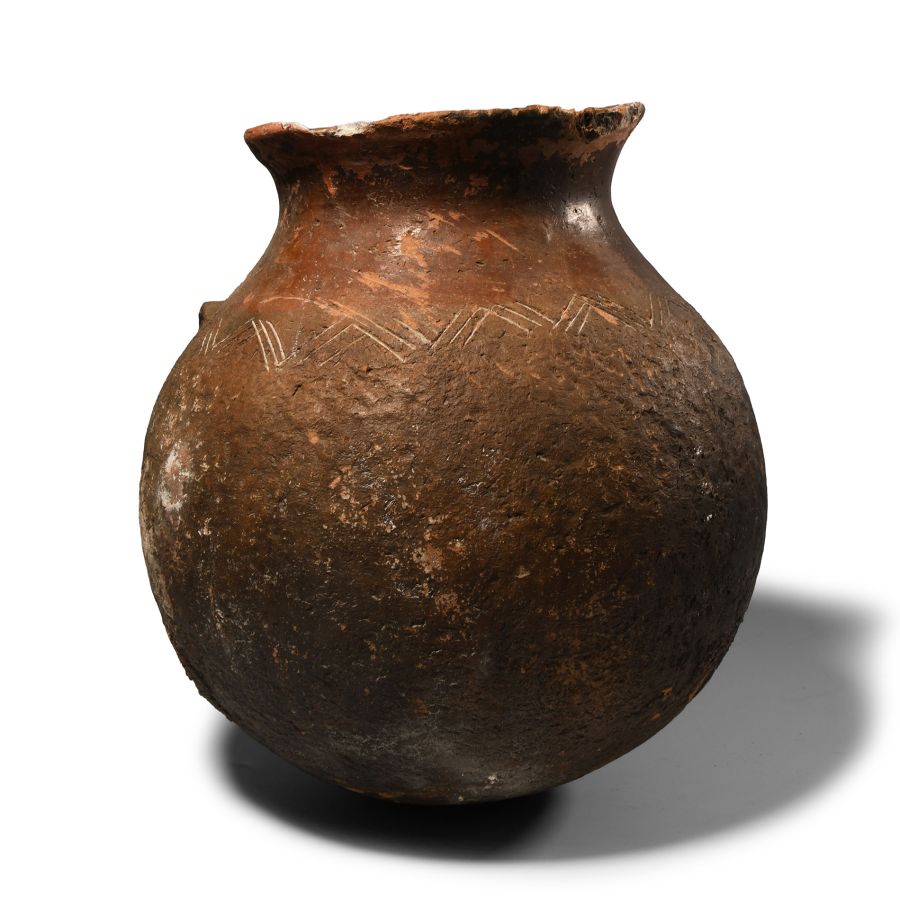
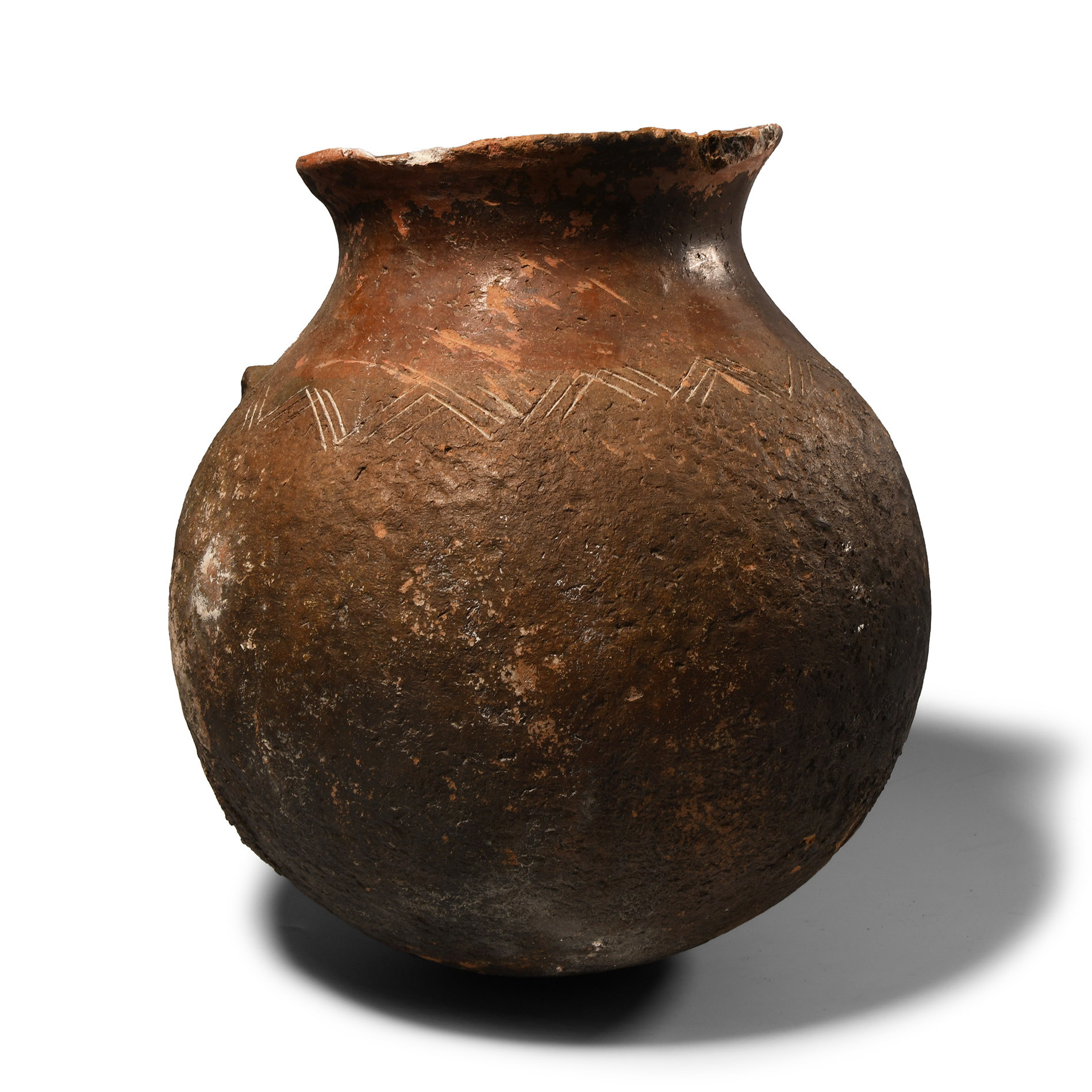
Large Cypriot Brown Ware Storage Jar
EARLY-MIDDLE BRONZE AGE, CIRCA 2700-1900 B.C.
13 in. (3.8 kg, 33 cm).
Of globular profile with narrow neck and flared mouth, single lug and incised band of trilinear zigzags to the shoulder; small hole to one side. [No Reserve]
ProvenanceFrom a collection acquired on the UK art market from various auction houses and collections mostly before 2000.
From an important Cambridgeshire estate; thence by descent.
TimeLine Auctions follows a vetting process to ensure the authenticity and legality of all items, reinforcing our commitment to integrity and responsible trading. Each antiquity, antique, and coin lot undergoes thorough examination by a vetting committee of at least ten external specialists, professional trade association members, scientists, and archaeologists: Our Vetting Process
AUCTIONS:
TimeLine is a leading auction house specialising in antiquities, ancient art, collectables, natural history, coins, medals, and books. Our auctions offer museums, collectors, historians, and enthusiasts the opportunity to acquire unique and historically significant pieces.
-
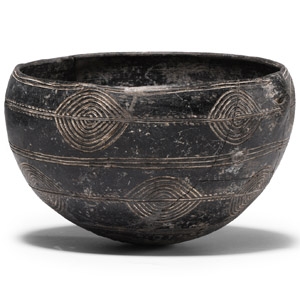
Cypriot Black Polished Ware Cup
Early III- Middle Bronze Age I, 2100-1850 B.C.Sold for (Inc. bp): £546
Hemispherical profile with three concentric bands to the outer face of vesica-shaped panels with median line and pointillé detailing; single pierced lug handle below the rim. 180 grams, 11.8 cm wide
From a collection acquired on the UK art market from various auction houses and collections mostly before 2000. From an important Cambridgeshire estate; thence by descent. -
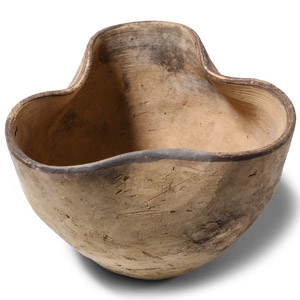
Greek Painted Terracotta Trefoil Cup
1st millennium B.C.Sold for (Inc. bp): £91
Hemispherical in profile with pinched trefoil format, applied pigment to the rounded rim. 421 grams, 14 cm wide
From a collection acquired on the UK art market from various auction houses and collections mostly before 2000. From an important Cambridgeshire estate; thence by descent.
In many ancient houses a special domestic sacrifice was offered: the remains of burned offering of a chicken or small bird were deposited on the floor of the courtyard, along with certain characteristic small vessels: shallow saucers and plates, covered dishes, wine cups and lamps. -
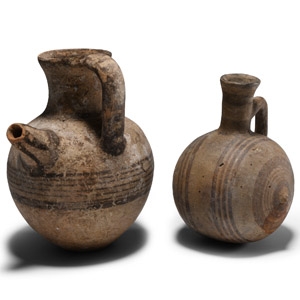
Cypriot Painted Geometric Vessel Group
Early Iron Age, circa 950-850 B.C.Sold for (Inc. bp): £260
Comprising: a spherical vessel with trumpet-shaped mouth and strap handle, painted concentric circles; similar, larger with lateral spout. 222 grams total, 9.5-11.2 cm
From a collection acquired on the UK art market from various auction houses and collections mostly before 2000. From an important Cambridgeshire estate; thence by descent.
