
Loading, please wait...
LOT 0076
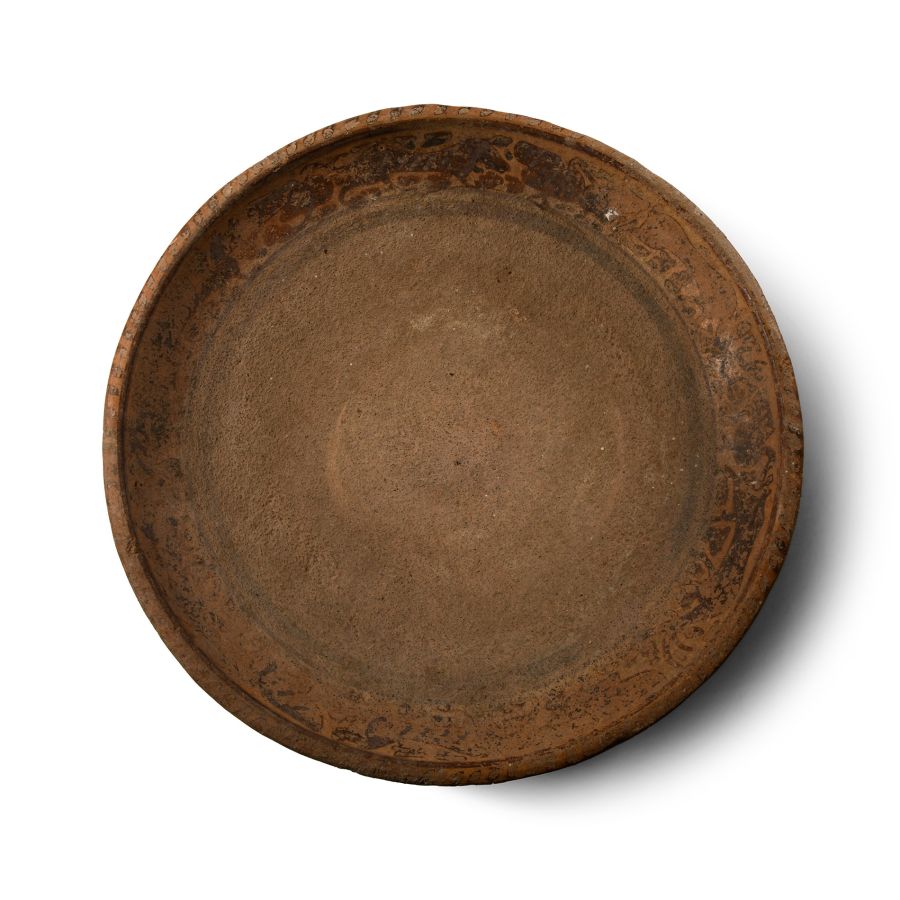
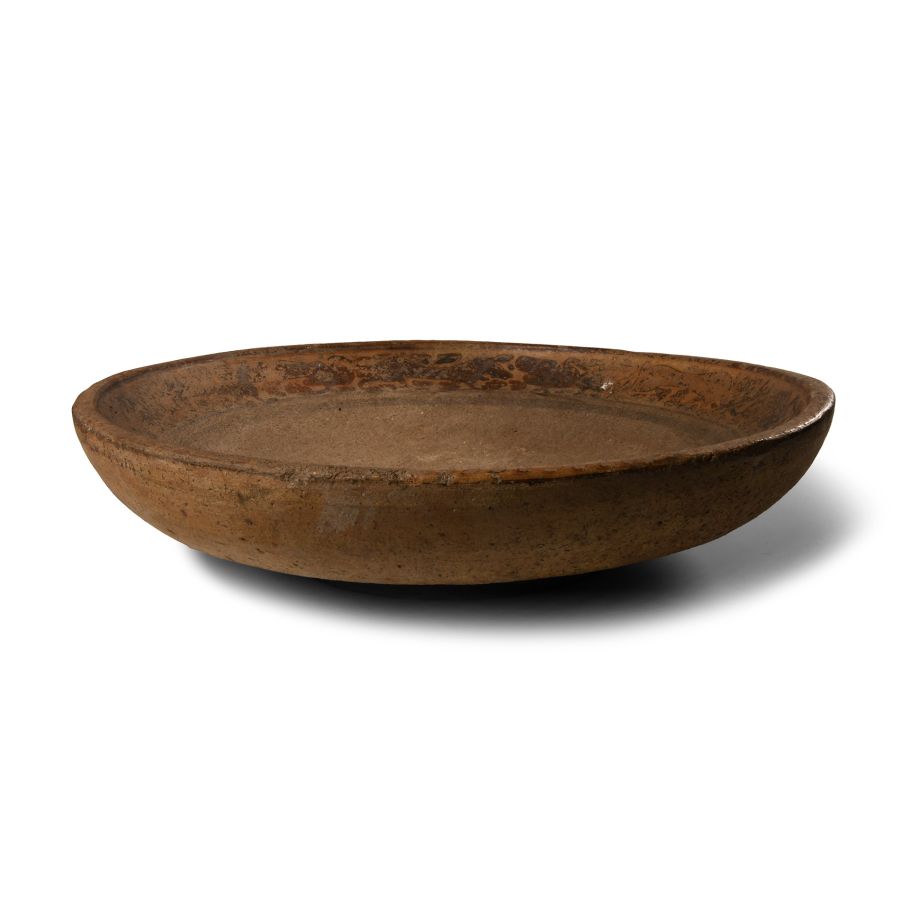
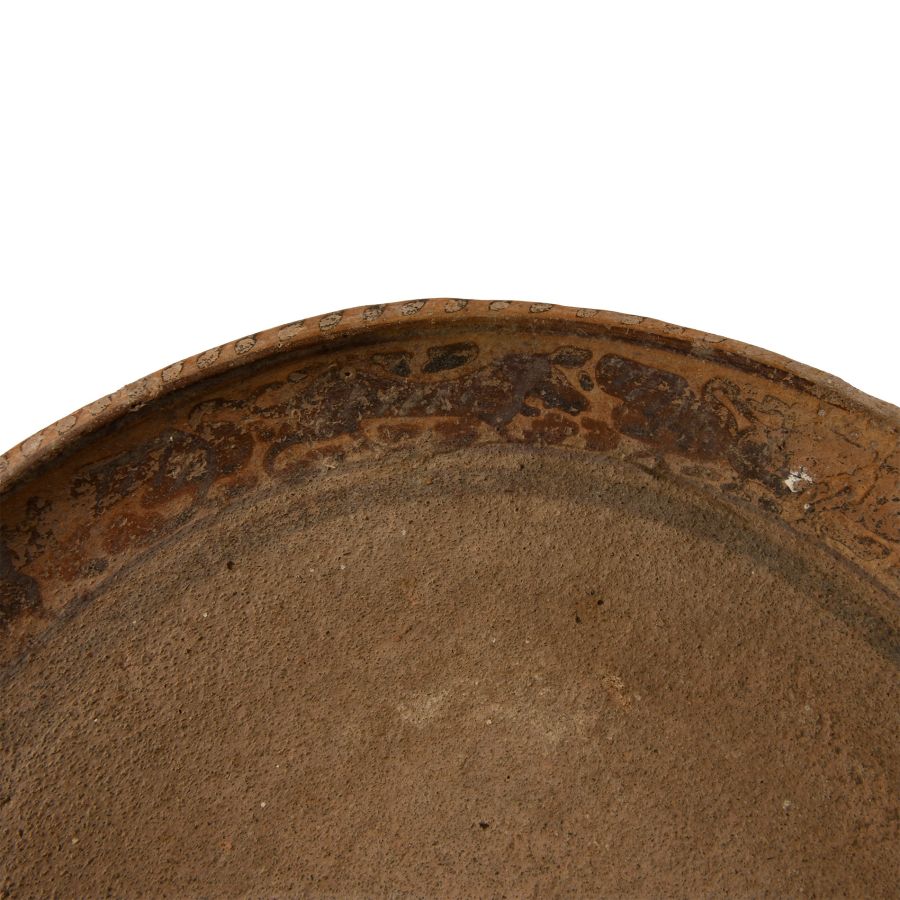
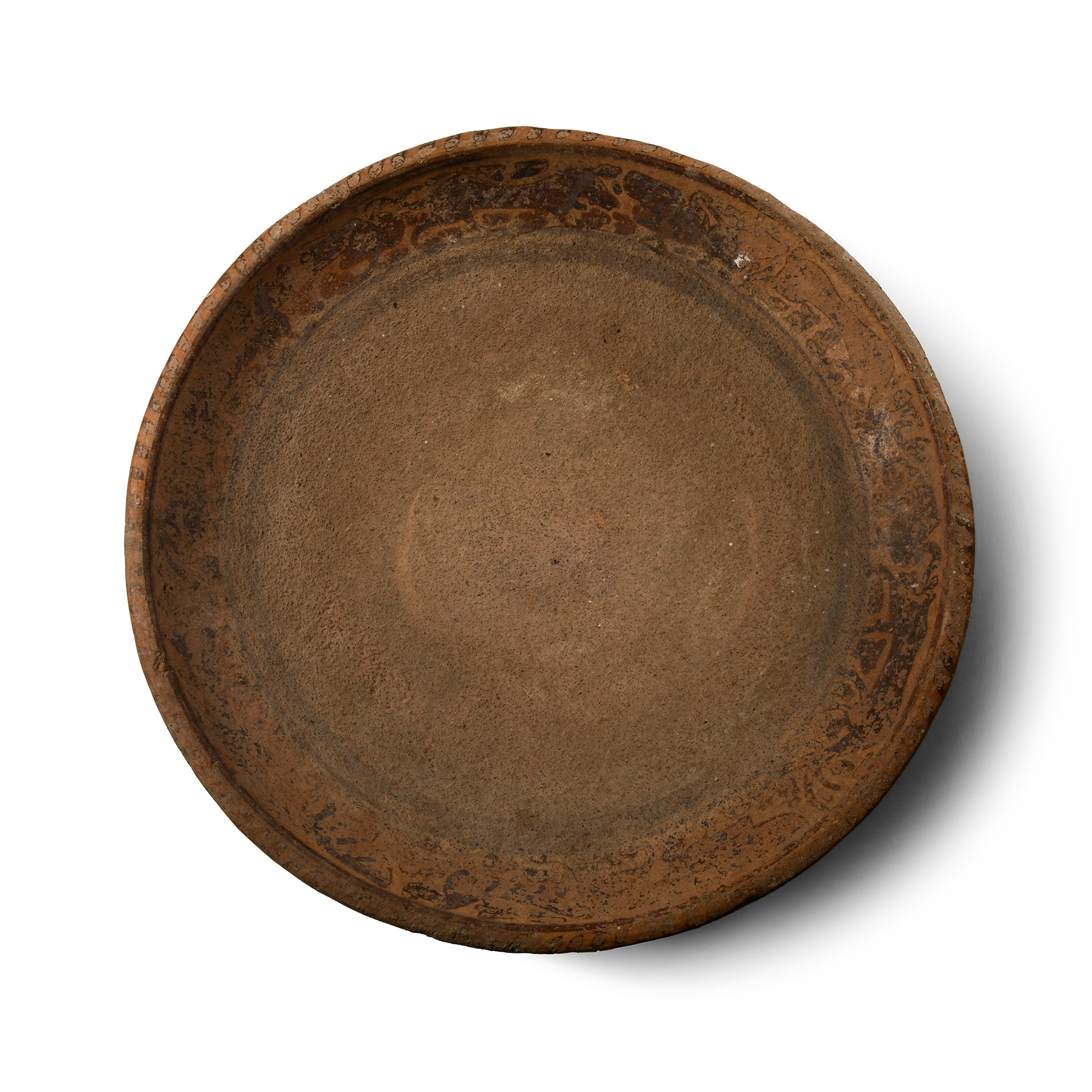
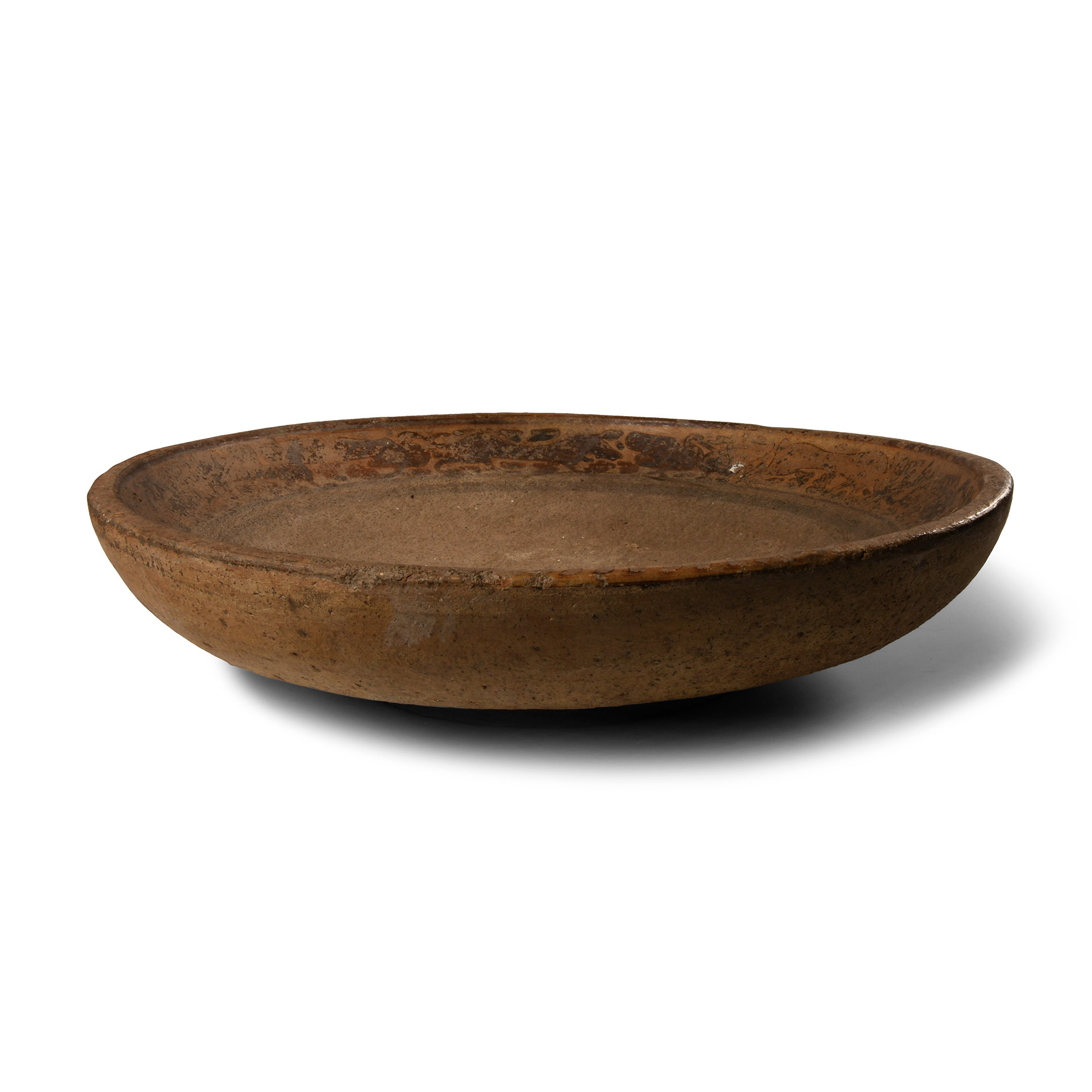
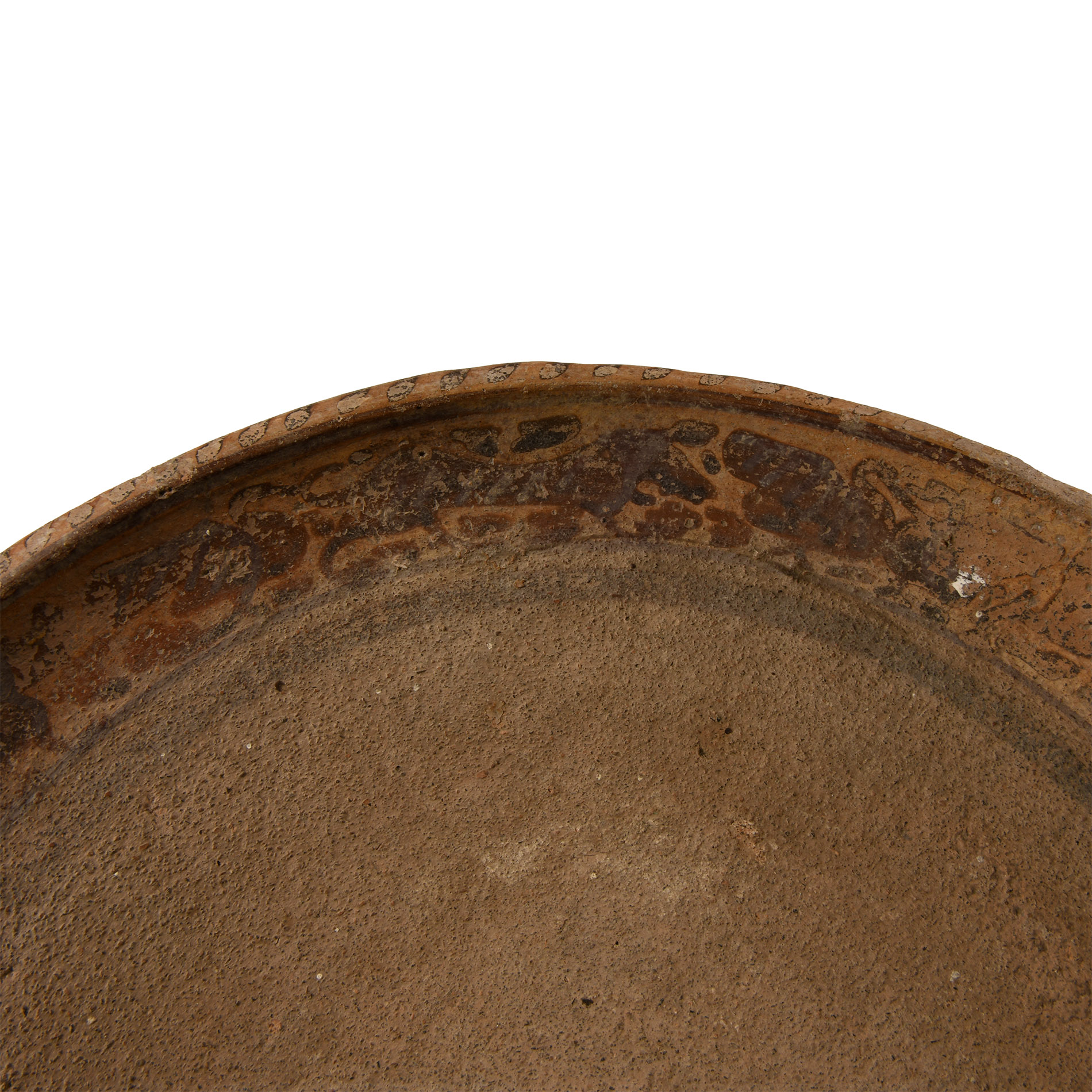
Large Corinthian Mortarium with Frieze of Swans and Lions
ARCHAIC, CIRCA 8TH-7TH CENTURY B.C.
13 1/4 in. (3.3 kg, 33.5 cm wide).
Broad dished bowl with carinated profile, flat rim with slashed detailing, band of reserved advancing lions and swans; central panel roughened for grinding. [No Reserve]
ProvenanceFrom a collection acquired on the UK art market from various auction houses and collections mostly before 2000.
From an important Cambridgeshire estate; thence by descent.
Accompanied by a thermoluminescence analysis report no.N124d55 from Oxford Authentication.
Cf. fragment of a similar vessel in the British Museum under accession no.1888,0601.762.
CONDITIONTimeLine Auctions follows a vetting process to ensure the authenticity and legality of all items, reinforcing our commitment to integrity and responsible trading. Each antiquity, antique, and coin lot undergoes thorough examination by a vetting committee of at least ten external specialists, professional trade association members, scientists, and archaeologists: Our Vetting Process
AUCTIONS:
TimeLine is a leading auction house specialising in antiquities, ancient art, collectables, natural history, coins, medals, and books. Our auctions offer museums, collectors, historians, and enthusiasts the opportunity to acquire unique and historically significant pieces.
LOT 0076
Large Corinthian Mortarium with Frieze of Swans and Lions
Sold for (Inc. bp): £364
-
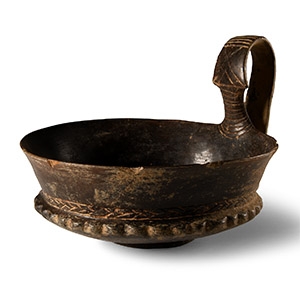
Villanovan Impasto Kyathos with Comb-Etched Decoration
7th century B.C.Sold for (Inc. bp): £338
Modelled with wide and squat body with carination and flared mouth; raised, biforal handle with transverse grooves and cross-hatch below; small projections emerging from the sides and an incised zigzag line around the body. 196 grams, 15.5 cm wide
From a Belgian collection formed in the 1970s and 1980s. Ex Haynault Ventes Publiques, Uccle, Belgium, 21 September 2021, lot 21. Property of a South Australian private collector, with collection reference 21.101. Accompanied by collector's catalogue page including description and photograph. -
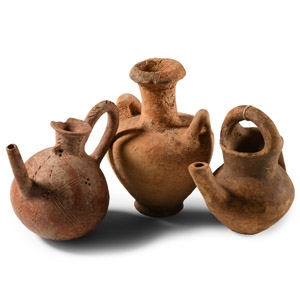
Cypriot Mixed Terracotta Vessel Group
2nd-1st millennium B.C.Sold for (Inc. bp): £169
Comprising: miniature amphora with two loop handles to the shoulder; spherical ewer with tall spout, trumpet-shaped neck and loop handle; biconical ewer with broad neck, spout and transverse strap handle. 350 grams total, 82-92 mm
From a collection acquired on the UK art market from various auction houses and collections mostly before 2000. From an important Cambridgeshire estate; thence by descent. -
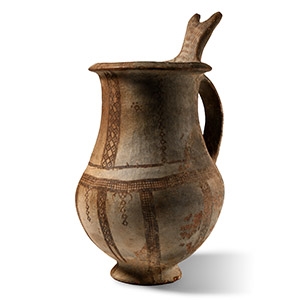
Cypriot White-Slip Ware Tankard
Circa 1600-1450 B.C.Sold for (Inc. bp): £676
Comprising a biconvex body and flared foot, tapering shoulder, carinated mouth; strap handle to rear with tall notched thumb-pad; painted scheme of panels with hatched bands and reserved lozenges, eye motifs and other detailing. 650 grams, 23.5 cm
The property of an English collector. with Bonhams, London, 20 October 2005, no.408. Property of a North London collector. Accompanied by copies of the relevant Bonhams catalogue pages.
