
Loading, please wait...
LOT 1830
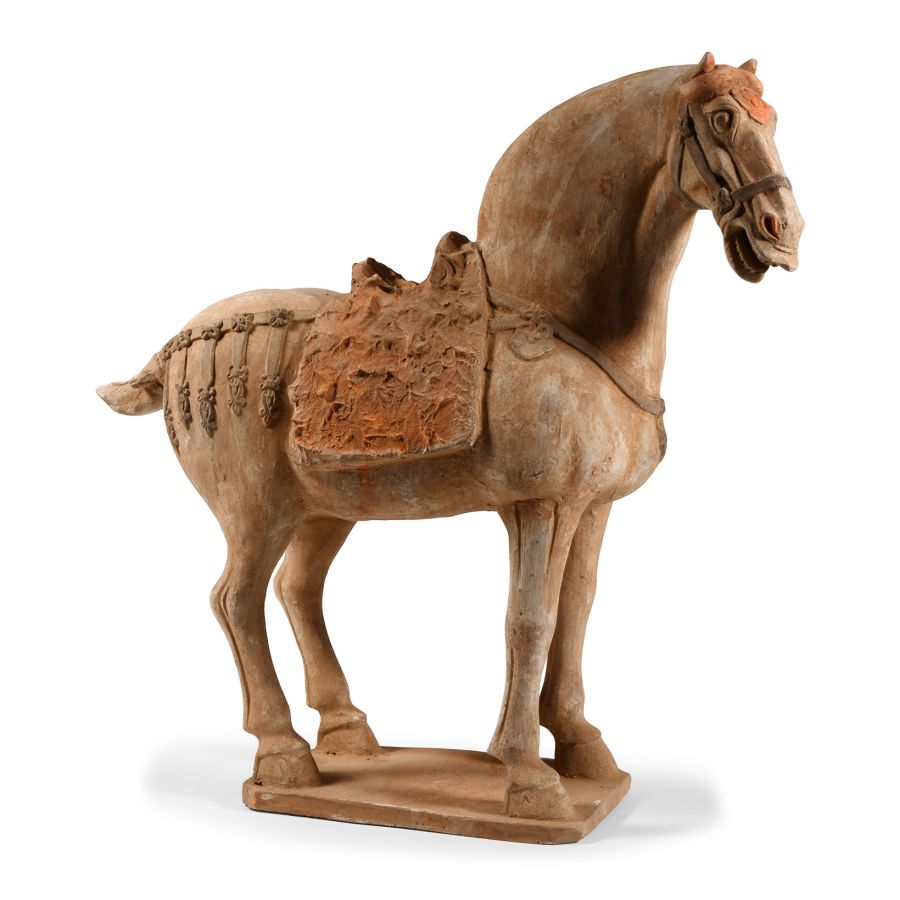
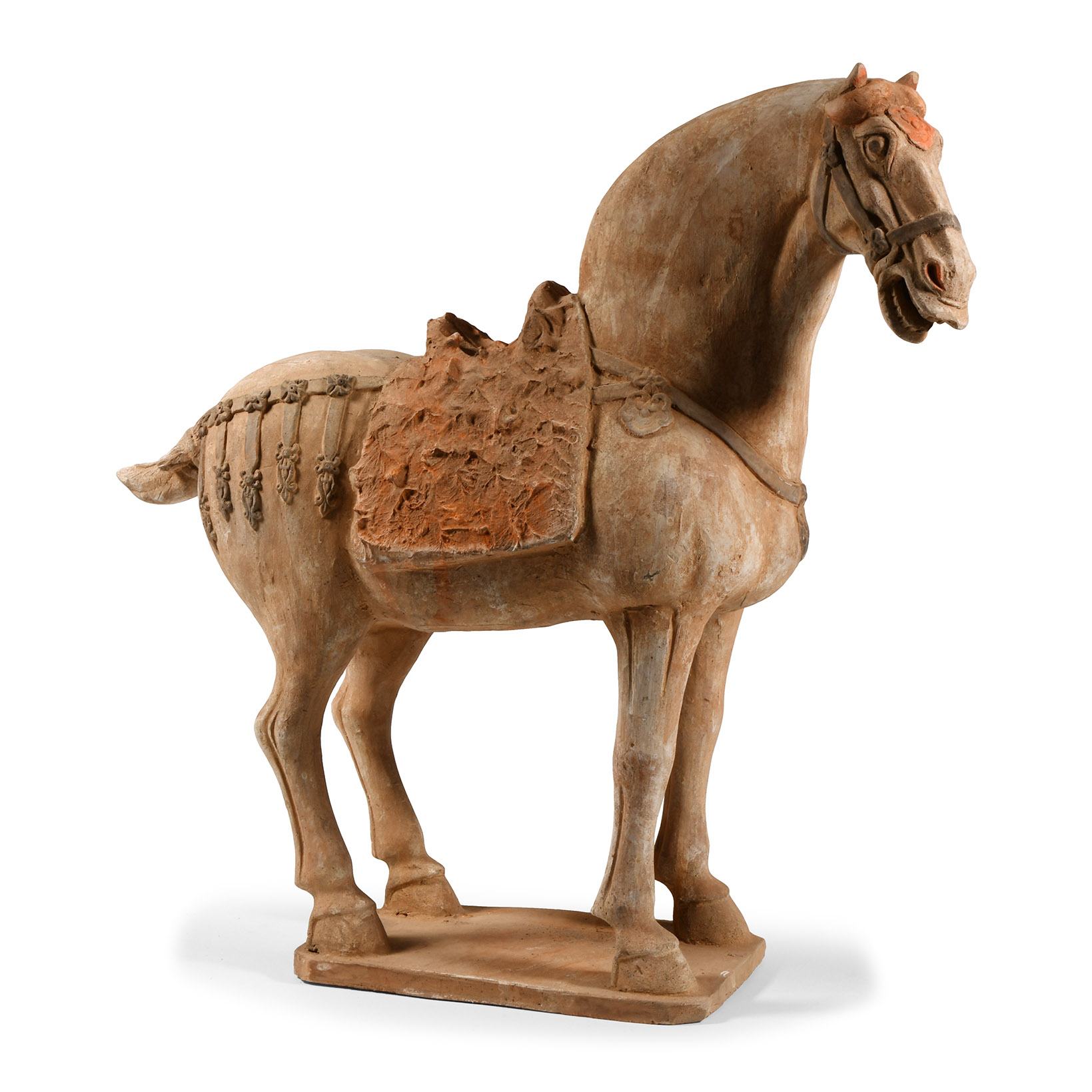
Large Chinese Tang Style Terracotta Saddled Horse
20TH CENTURY A.D.
17 7/8 in. (4.95 kg, 45.5 cm high).
Ceramic figurine of a standing horse modelled in the round with detailed bridle, crupper and other harness, textured fur saddlecloth; painted detailing. [No Reserve]
ProvenanceFrom a North Yorkshire, UK, collection, 1990s.
CONDITIONTimeLine Auctions follows a vetting process to ensure the authenticity and legality of all items, reinforcing our commitment to integrity and responsible trading. Each antiquity, antique, and coin lot undergoes thorough examination by a vetting committee of at least ten external specialists, professional trade association members, scientists, and archaeologists: Our Vetting Process
AUCTIONS:
TimeLine is a leading auction house specialising in antiquities, ancient art, collectables, natural history, coins, medals, and books. Our auctions offer museums, collectors, historians, and enthusiasts the opportunity to acquire unique and historically significant pieces.
-
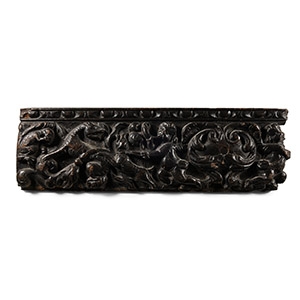
Elizabethan Elaborate Carved Wood Panel with Putti and Mythical Beasts
16th-17th century A.D.Sold for (Inc. bp): £195
Rectangular section of panel frame with egg-and-dart upper band, main panel with frieze comprising: scrolled frond with squirrel holding a nut in his raised forepaws; wolf in rampant pose climbing on fronds, head turned backwards towards a hound with its forepaws clawing at the wolf's rump, head raised, restrained by a leash gripped by a putto sounding a blasthorn and with a huntsman's pouch slung over his shoulder; domed panel with lobed fronds and round keyhole; addorsed putto with pouch slung across his body; mounting rings and wire to the reverse, recess for mounting a lock mechanism and an old inventory label. 841 grams, 47.5 cm
Private collection, London, UK. -
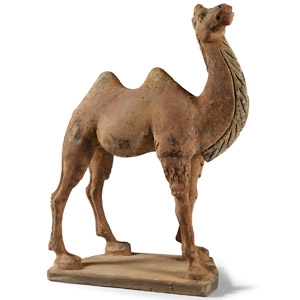
Tang Style Camel
20th century A.D.Estimate: £100 - 140 (+bp*)
Opening Bid: £50
On a trapezoidal base, standing with head raised, restrained pigment to body, hollow to the underside. 891 grams, 24 cm
Ex London, UK, collection, 1970-1990s. -
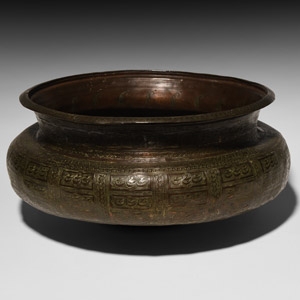
Large Copper Bowl with Script
India, 19th century A.D.Estimate: £120 - 170 (+bp*)
Opening Bid: £65
With repeating script and geometric bands to the body. 1.67 kg, 33 cm wide
Fine condition.
Acquired on the UK art market, 2000s. Property of a Suffolk gentleman.
