
Loading, please wait...
LOT 2661
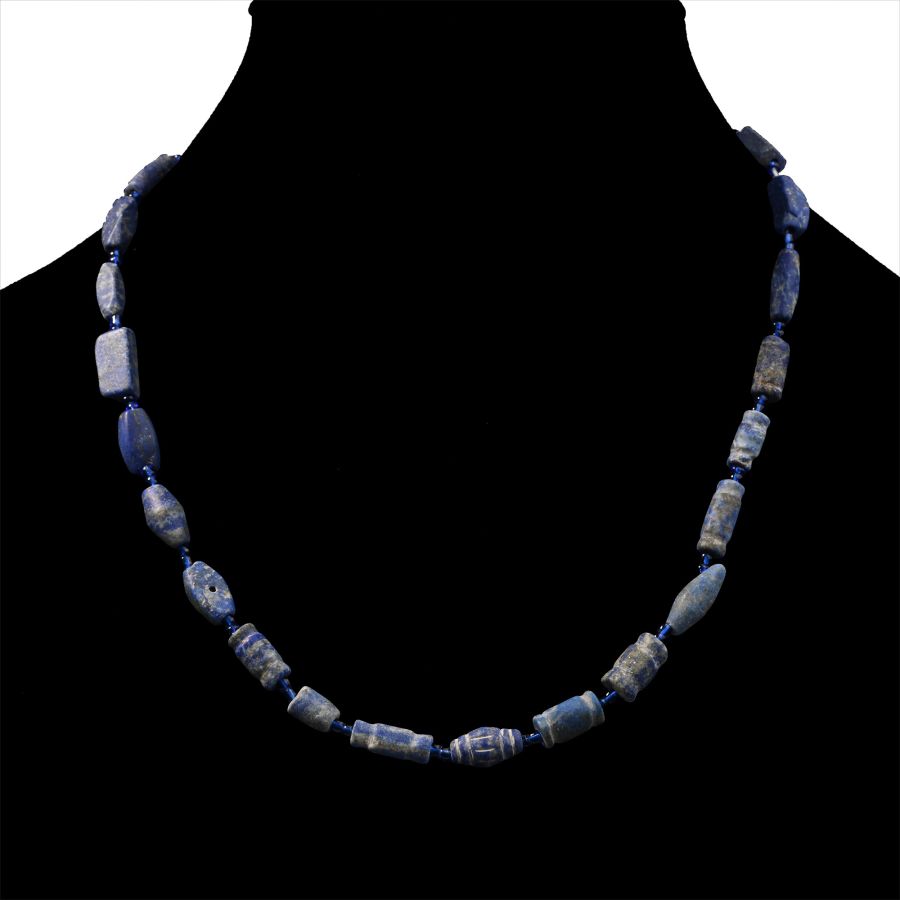
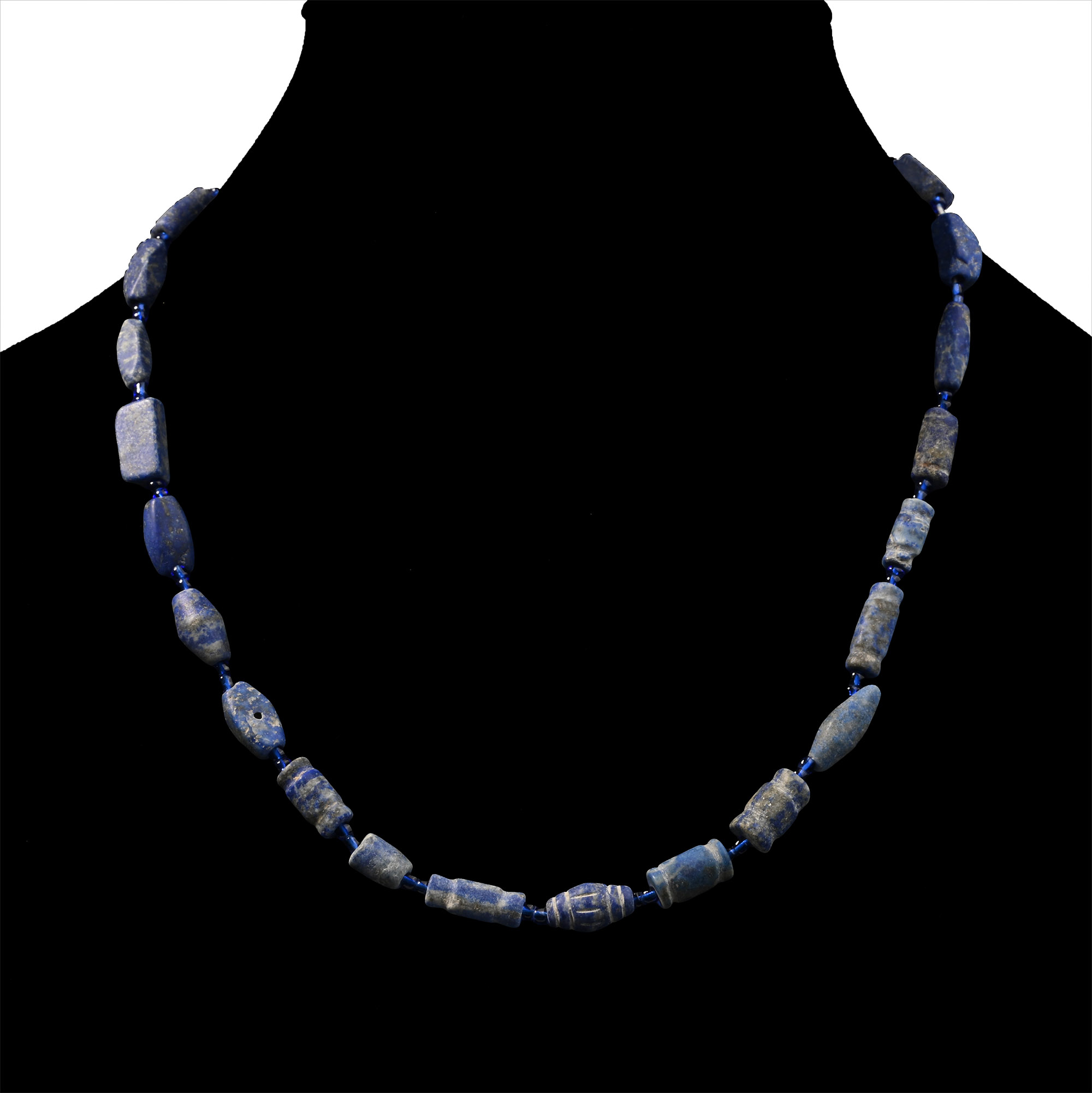
Lapis Lazuli Bead Necklace String
15 in. (24 grams, 38 cm).
Restrung group of tubular, fusiform and other types. [No Reserve]
ProvenanceLondon, UK, collection, 2000s.
CONDITIONTimeLine Auctions follows a vetting process to ensure the authenticity and legality of all items, reinforcing our commitment to integrity and responsible trading. Each antiquity, antique, and coin lot undergoes thorough examination by a vetting committee of at least ten external specialists, professional trade association members, scientists, and archaeologists: Our Vetting Process
AUCTIONS:
TimeLine is a leading auction house specialising in antiquities, ancient art, collectables, natural history, coins, medals, and books. Our auctions offer museums, collectors, historians, and enthusiasts the opportunity to acquire unique and historically significant pieces.
-
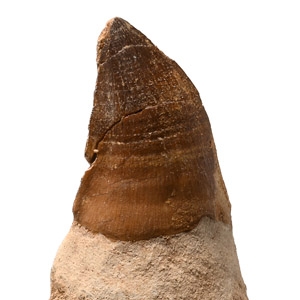
Large Fossil Mosasaur 'Marine Dinosaur' Tooth with Root
Cretaceous Period, 145-65 million years B.P.Sold for (Inc. bp): £33
Comprising a Mosasaur prognathodon tooth with some root; repaired. 105 grams, 10.5 cm
From Morocco, North Africa. From a Cambridgeshire, UK, collection. -
.jpg)
Calcite Stalagmite Fragment
Sold for (Inc. bp): £7
A large section of white stalagmite displaying natural rippling. 7.28 kg, 47 cm
Ex West Country, UK, collection, 1990s. -
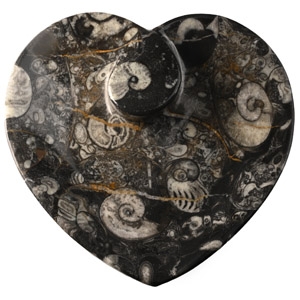
Fossil Goniatite Heart-Shaped Trinket Tray
Devonian Period, circa 400 million years B.P.Sold for (Inc. bp): £46
Carved from fossiliferous stone with a Goniatite sp. set at the top. 522 grams, 16.5 cm
From a Cambridgeshire, UK, collection. Property of a Cambridgeshire, UK, gentleman. Private collection, London.
