
Loading, please wait...
LOT 1921
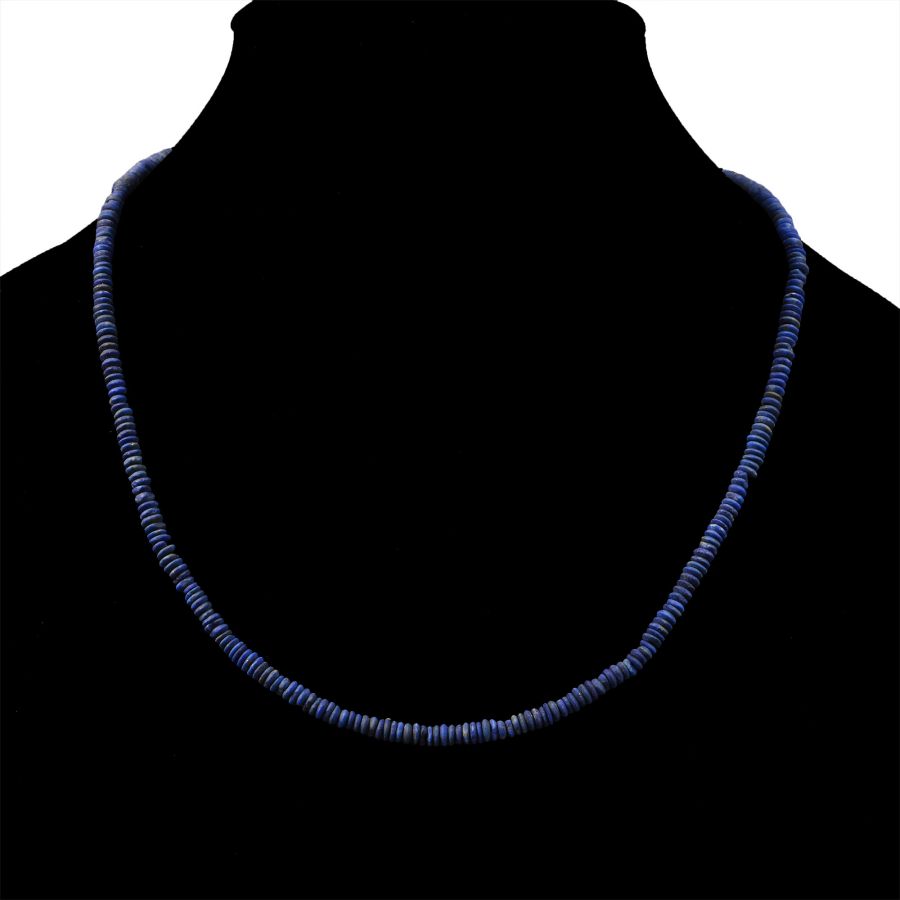
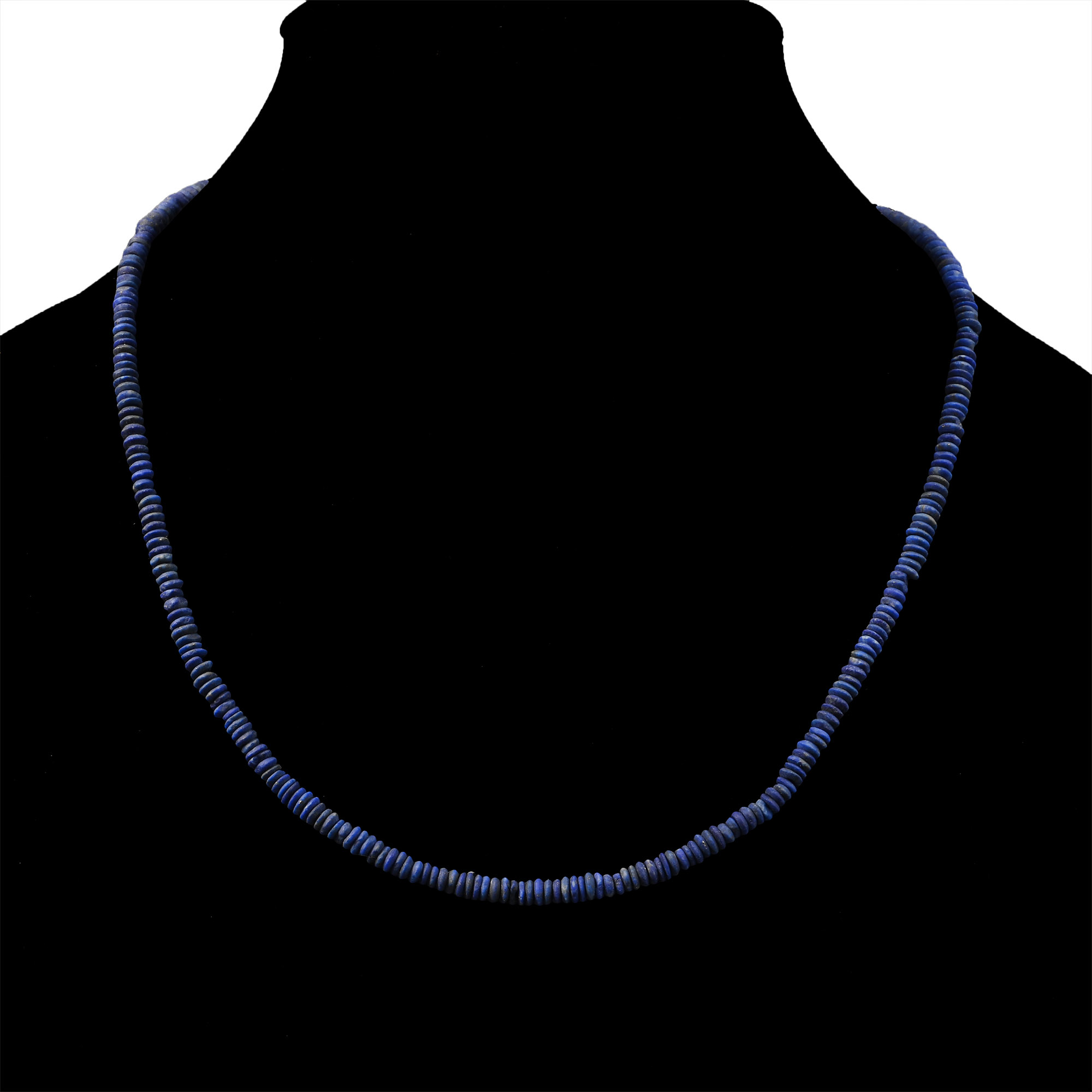
Lapis Lazuli Bead Necklace String
20TH CENTURY A.D.
18 1/8 in. (16.7 grams, 46 cm).
Restrung group of small biconvex beads. [No Reserve]
ProvenanceLondon, UK, collection, 2000s.
CONDITIONTimeLine Auctions follows a vetting process to ensure the authenticity and legality of all items, reinforcing our commitment to integrity and responsible trading. Each antiquity, antique, and coin lot undergoes thorough examination by a vetting committee of at least ten external specialists, professional trade association members, scientists, and archaeologists: Our Vetting Process
AUCTIONS:
TimeLine is a leading auction house specialising in antiquities, ancient art, collectables, natural history, coins, medals, and books. Our auctions offer museums, collectors, historians, and enthusiasts the opportunity to acquire unique and historically significant pieces.
-
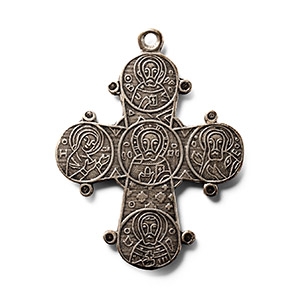
Russian Orthodox White Metal Cross Pendant
19th century A.D.Sold for (Inc. bp): £65
Cruciform plaque with lateral lobes to each arm; obverse with low-relief Corpus Christi; reverse with nimbate busts. 6.75 grams, 39 mm
Acquired from Chris Martin-Zakheim, Iconastas, 5 Piccadilly Arcade, London SW1. From the private collection of a West London, UK, gentleman, formed since the early 2000s. -
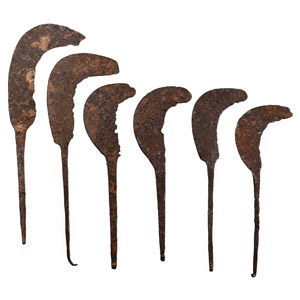
Medieval and Later Iron Billhook Collection
14th-18th century A.D.Sold for (Inc. bp): £46
Each with a hooked mounting spike, broad curved blade sharpened on the inner edge. 260 grams total, 17-22 cm
From the property of a late Lincolnshire, UK, gentleman. -
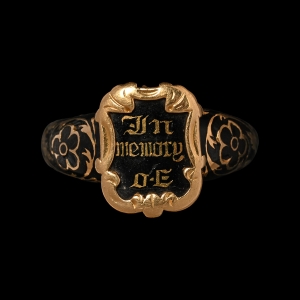
Engraved Gold and Black Enamel Memento Mori Ring
19th century A.D.Estimate: £600 - 800 (+bp*)
Opening Bid: £310
With D-section tapering hoop, black enamel finish with reserved rosettes and tendrils, the bezel an ornate heater shield with reserved text 'In memory OE' and copperplate engraving to the inner face '1852 / obt.63', 'Mrs.Sarah Hems, obt.26 May' and stamped assay marks: crown, '18', leopard's head, gothic 'k' in octagonal panel (dated to 1845). 4.14 grams, 22.74 mm overall, 17.43 mm internal diameter (approximate size British O, USA 7, Europe 14.98, Japan 14)
Acquired on the UK art market. Property of an East Sussex collector.
