
Loading, please wait...
LOT 2095
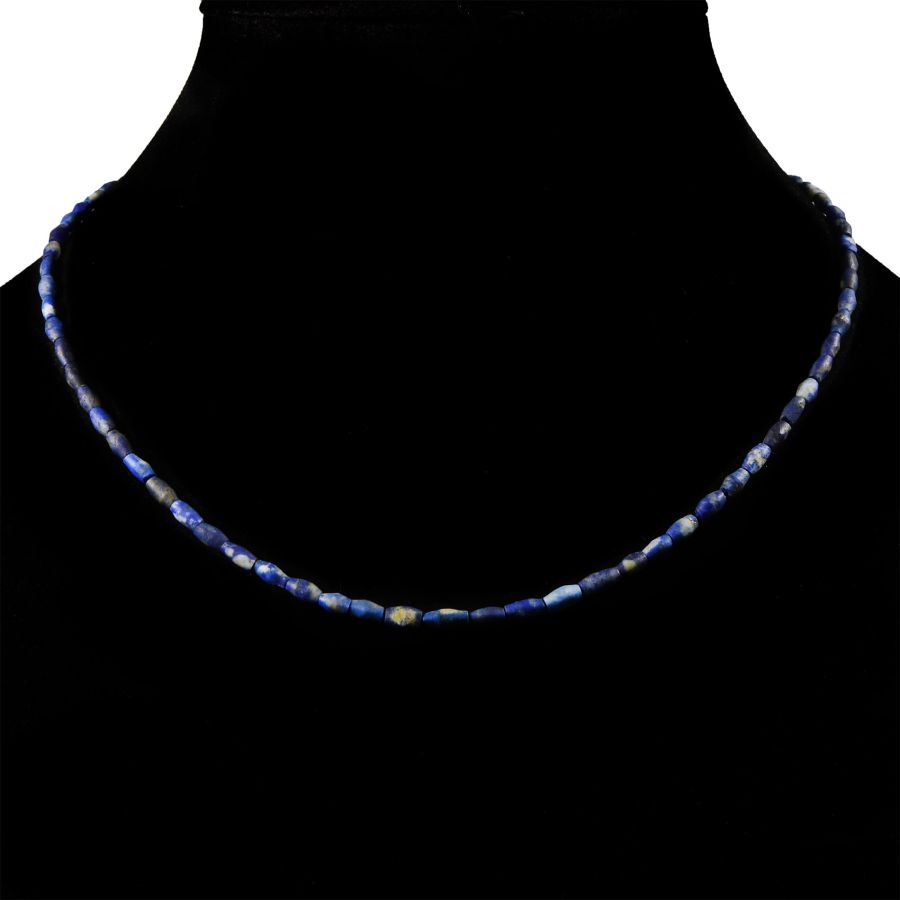
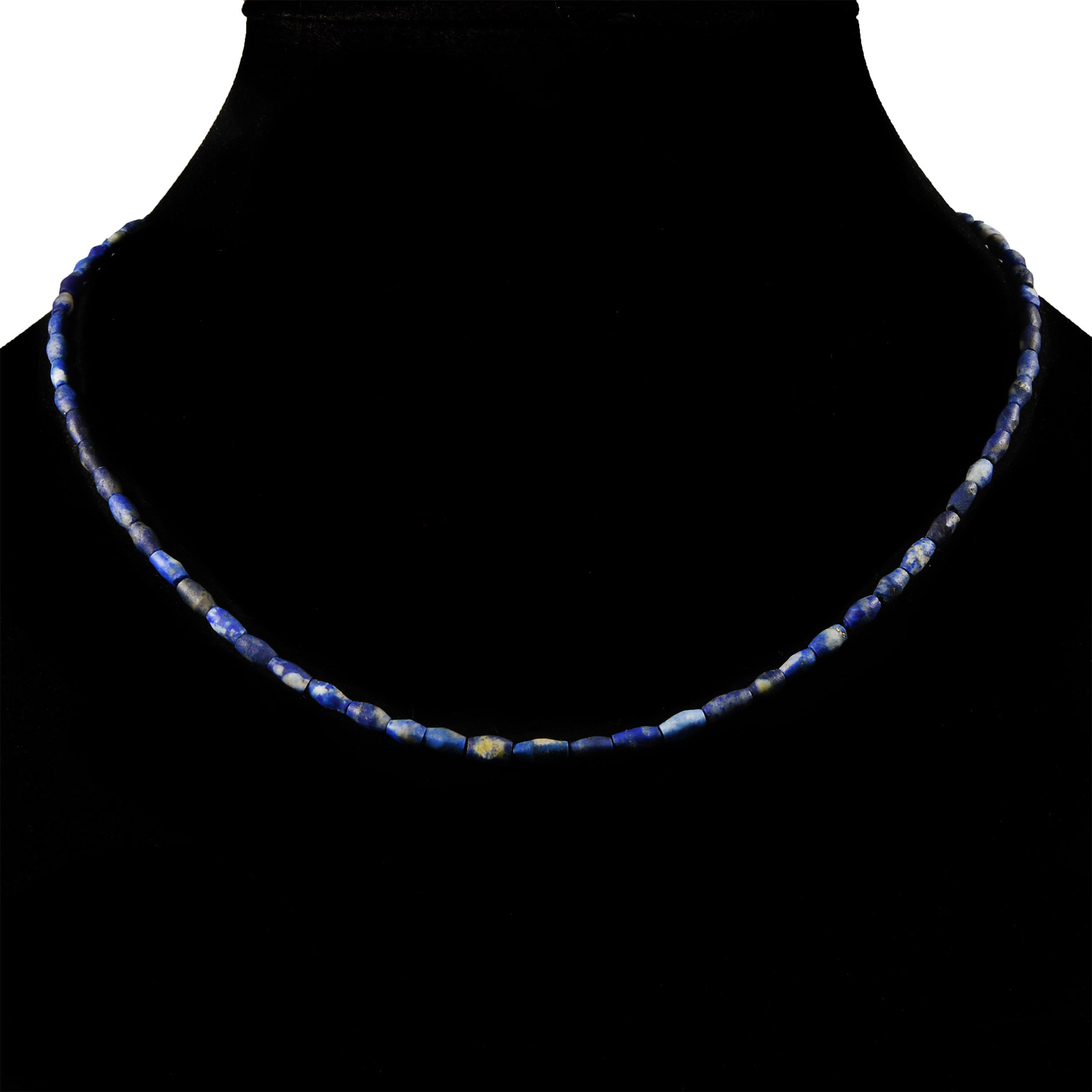
Lapis Lazuli Bead Necklace String
20TH CENTURY A.D. OR EARLIER
17 1/4 in. (6.32 grams, 44 cm long).
Composed of biconical beads, some sodalite; restrung. [No Reserve]
ProvenanceUK gallery, early 2000s.
CONDITIONTimeLine Auctions follows a vetting process to ensure the authenticity and legality of all items, reinforcing our commitment to integrity and responsible trading. Each antiquity, antique, and coin lot undergoes thorough examination by a vetting committee of at least ten external specialists, professional trade association members, scientists, and archaeologists: Our Vetting Process
AUCTIONS:
TimeLine is a leading auction house specialising in antiquities, ancient art, collectables, natural history, coins, medals, and books. Our auctions offer museums, collectors, historians, and enthusiasts the opportunity to acquire unique and historically significant pieces.
-
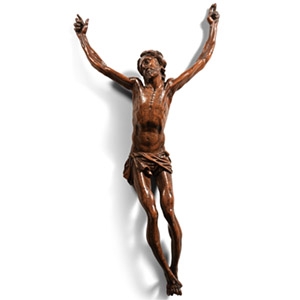
Large Wooden Corpus Christi
17th century A.D.Sold for (Inc. bp): £1,170
Carved in the round with legs crossed and nail to the feet, hands pierced for attachment; the head tilted with short beard, wearing a loincloth secured by a rope belt; detailed musculature; one thumb absent. 176 grams, 37 cm
Private collection, England. -
.jpg)
Tudor Period Tinned Bronze Betrothal Ring with Arrow
Circa 16th century A.D.Sold for (Inc. bp): £39
With octagonal plaque and chamfered edges, incuse design including an arrow and enigmatic pseudo-text. 12.11 grams, 23.32 mm overall, 19.10 mm internal diameter (approximate size British R 1/2, USA 8 3/4, Europe 19.38, Japan 18)
Private collection formed since the 1940s. UK art market. Property of an Essex gentleman. -
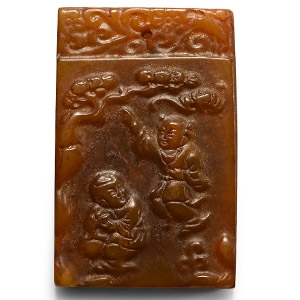
Chinese Hardstone Plaque Pendant
20th century A.D.Sold for (Inc. bp): £8
Obverse with two figures in a landscape beneath a tree, reverse with four columns of text. 42 grams, 61 x 40 mm
Ex Paris gallery, 1980-1990. From a Parisian collection.
