
Loading, please wait...
LOT 1961
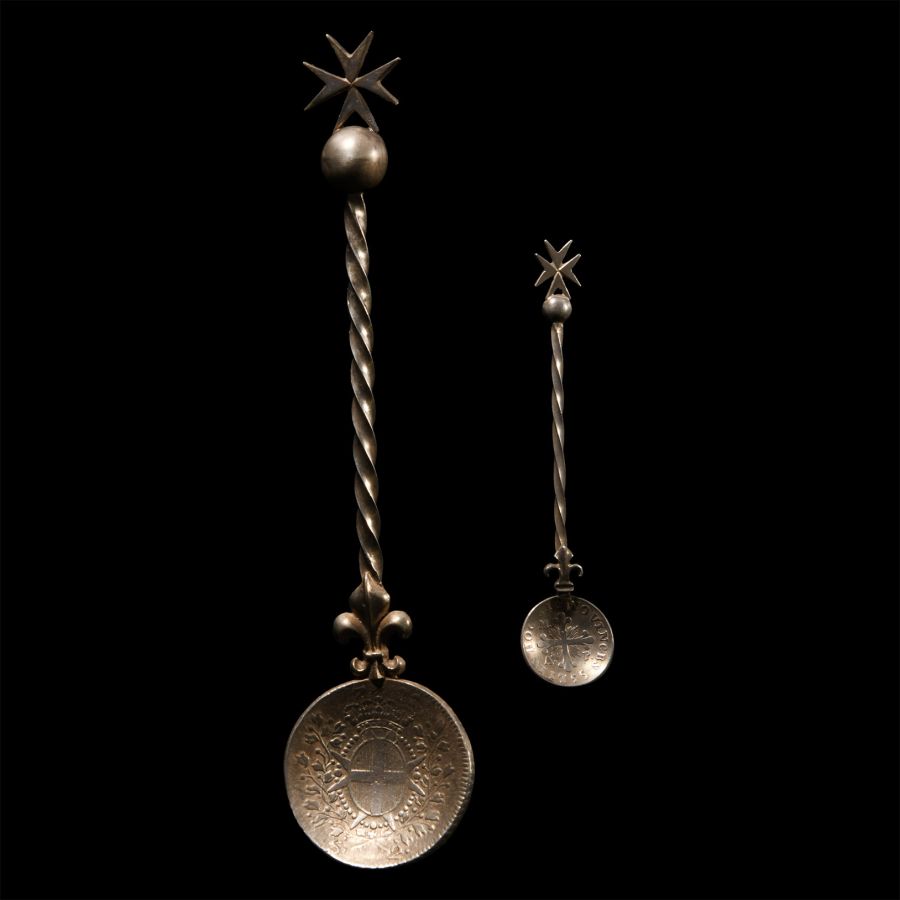
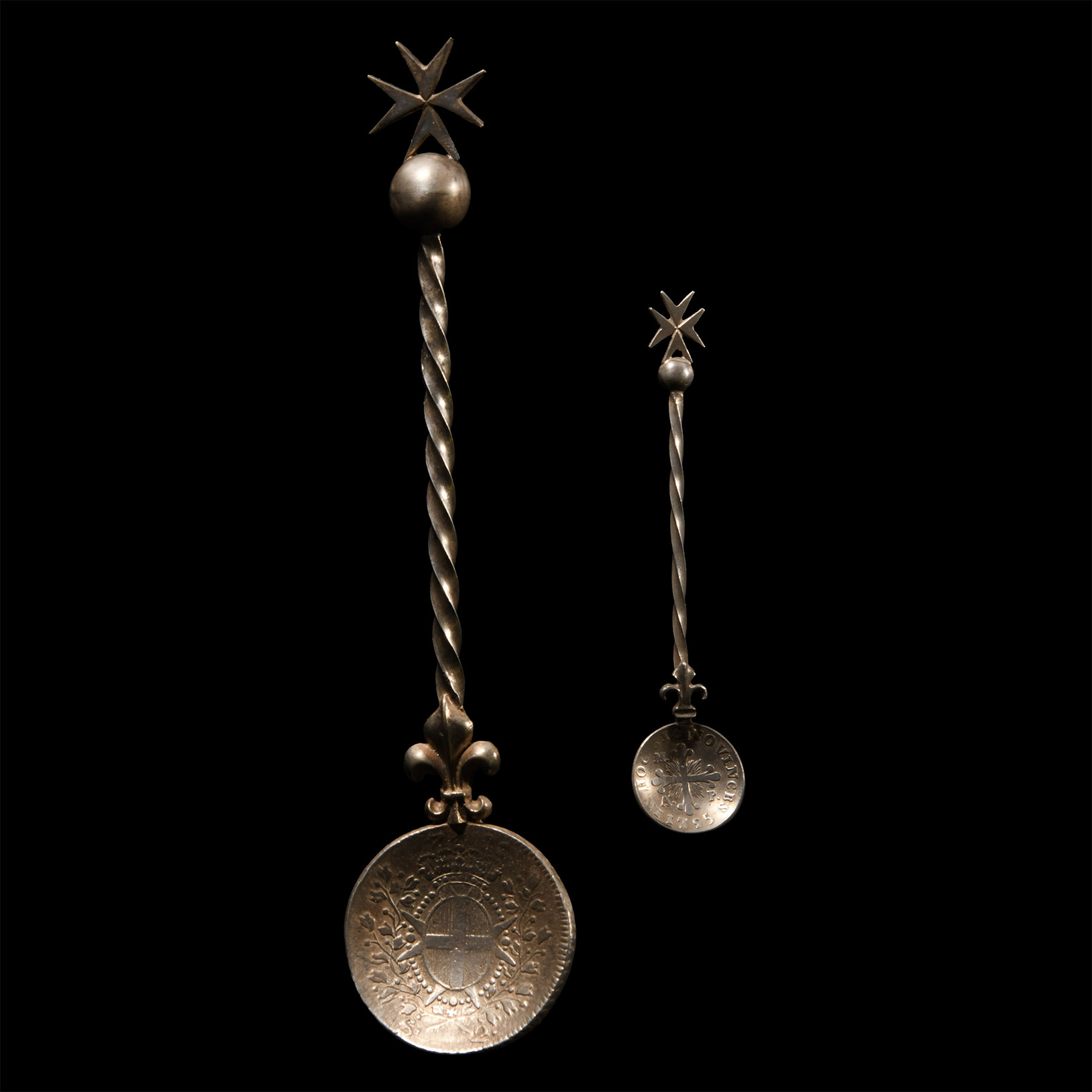
Knights of Malta 'Order of St. John' Silver Spoon Group
DATED 1795 AND 1796 A.D.
3 3/8 - 6 1/8 in. (45.08 grams total, 8.6-15.7 cm).
The larger made from a Sovereign Military Order of Malta, Emmanuel de Rohan (1775-1797), Grandmaster, 2 Scudi, dated 1796: F. EMMANUEL DE ROHAN M . M ., armoured bust right, to the reverse crowned oval shield, beaded and spiked, within sprigs, divided date above; the smaller made from a silver Kingdom of Naples 'Ferdinand IV 1 Carlino (10 Grana) dating 1795. [2, No Reserve]
ProvenanceProperty of a Northamptonshire lady, by descent.
LiteratureFor the host coins cf. KM# 343 & KM# 207.
CONDITIONTimeLine Auctions follows a vetting process to ensure the authenticity and legality of all items, reinforcing our commitment to integrity and responsible trading. Each antiquity, antique, and coin lot undergoes thorough examination by a vetting committee of at least ten external specialists, professional trade association members, scientists, and archaeologists: Our Vetting Process
AUCTIONS:
TimeLine is a leading auction house specialising in antiquities, ancient art, collectables, natural history, coins, medals, and books. Our auctions offer museums, collectors, historians, and enthusiasts the opportunity to acquire unique and historically significant pieces.
-
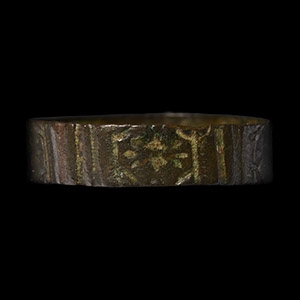
Tudor Period Bronze Decorated Ring
15th-16th century A.D.Sold for (Inc. bp): £26
Flat shank with raised vertical bands, five octagonal rosette motifs. 1.135 grams. 18.07 mm.
Acquired on the UK art market. Property of a Essex, UK, collector. Accompanied by an old typed information card. -
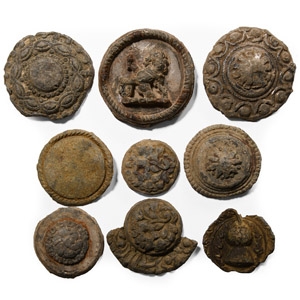
Post Medieval Pewter Horse Harness Mount Collection
16th-19th century A.D.Sold for (Inc. bp): £1
Mostly discoid in plan with stepped profile, central rosette and high-relief detailing to the outer edge; many of these objects are published in the Detector Finds book series. 569 grams total, 35-59 mm
From the collection of the famous author, writer and speaker, Gordon Bailey, Essex, UK; formed since 1968. -
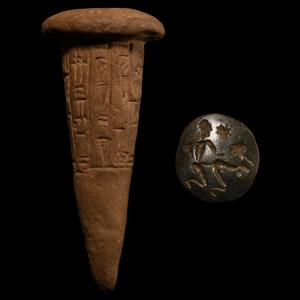
Reproduction Cuneiform Foundation Cone and Erotic Seal Group
20th century A.D.Sold for (Inc. bp): £52
A mixed reproduction group comprising: cuneiform cone for Ishme-Dagan, King of Isin; large plano-convex black stone stamp seal with incuse erotic scene. 363 grams total, 48-147 mm
From a North American gallery. From the estate of Mr R.W., a private Wiltshire, UK, collector; thence by descent.
