
LOT 3002
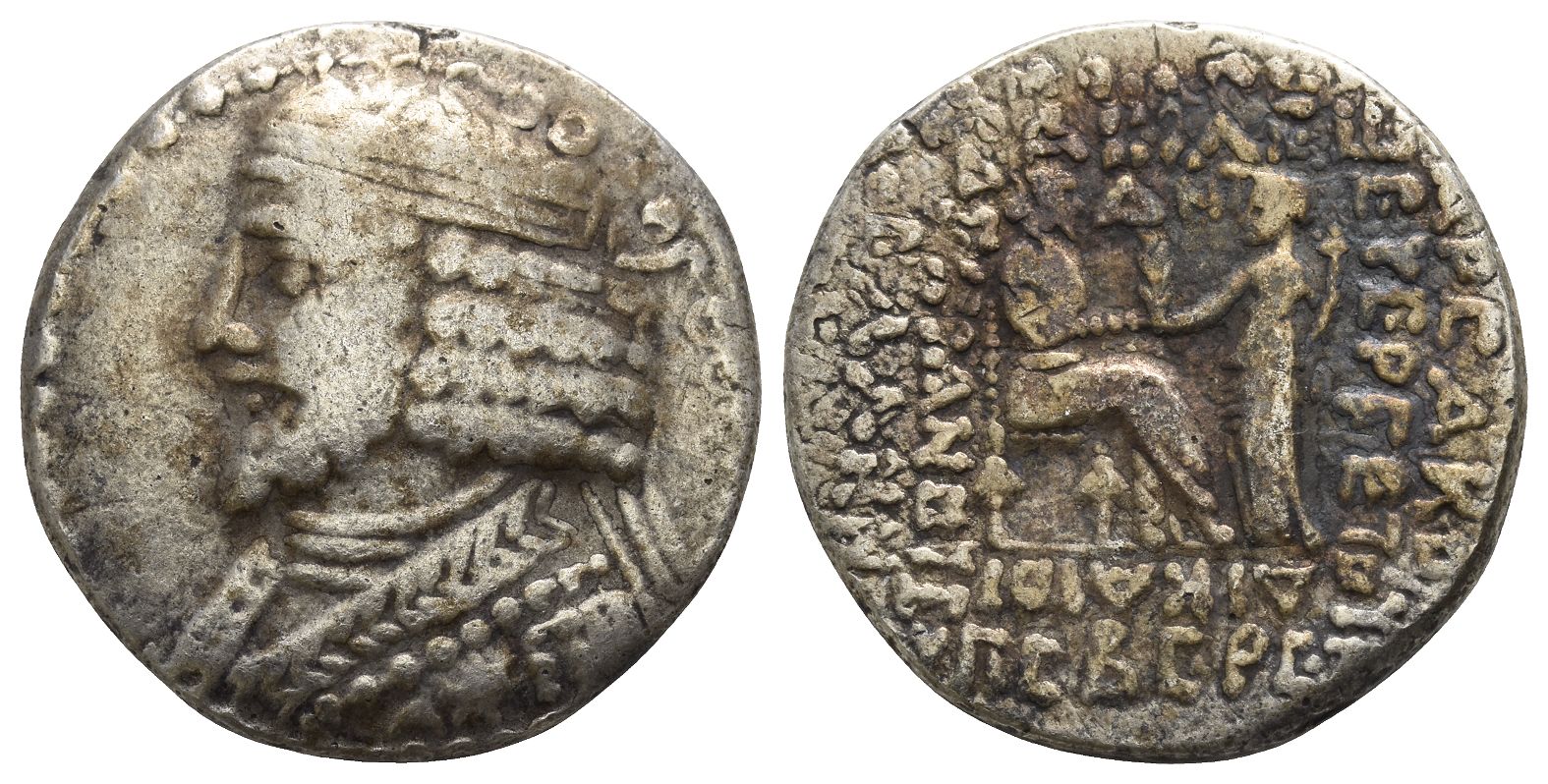
Kings of Parthia, Vardanes I AR Tetradrachm. Circa AD 40-45.
Seleukeia on the Tigris mint. Dated Hyperberetaios SE 354 (September AD 43). Diademed and draped bust to left, wearing short beard / ΒΑΣΙΛΕΩΣ ΒΑΣΙΛΕΩΝ ΑΡΣΑΚΟY EYEPΓETOY ΔΙΚΑΙΟY ΕΠΙΦΑΝΟYΣ ΦΙΛΕΛΛΗΝΟΣ, Vardanes enthroned to right, receiving palm from Tyche standing to left and holding cornucopia with left hand; ΔNT (year) in field above, ΥΠΕΡΒΕΡΕΤΑΙΟΥ (month) in exergue. Sellwood 64.19. Near Very Fine.(11.41gr, 27mm, 12h). [No Reserve]
ProvenanceFrom a UK private collection.
TimeLine Auctions follows a vetting process to ensure the authenticity and legality of all items, reinforcing our commitment to integrity and responsible trading. Each antiquity, antique, and coin lot undergoes thorough examination by a vetting committee of at least ten external specialists, professional trade association members, scientists, and archaeologists: Our Vetting Process
AUCTIONS:
TimeLine is a leading auction house specialising in antiquities, ancient art, collectables, natural history, coins, medals, and books. Our auctions offer museums, collectors, historians, and enthusiasts the opportunity to acquire unique and historically significant pieces.
LOT 3002
Kings of Parthia, Vardanes I AR Tetradrachm.
Estimate £120 - 170€140 - 200 (for guidance only)$160 - 230 (for guidance only)
-
.jpg)
Kingdom of Pergamon, Eumenes I AR Tetradrachm. 263-241 BC.
Estimate: £1,500 - 2,000 (‡+bp*)
Opening Bid: £556
Pergamon mint; struck circa 255/0-241 BC. In the name of Philetairos. Laureate head of Philetairos to right / ΦIΛETAIPOY, Athena enthroned to left, supporting shield with her right hand and resting her left elbow on small statue of sphinx; transverse spear rests at her side, ivy leaf above her knee; pellet-in-A monogram on throne, bow on outer right. SNG BnF 1608; De Luynes 2503; Bement 1390; Jameson 1449. 16.99gr, 28mm, 1h
Good Extremely Fine. A bold portrait, struck in high relief.
From a Swiss private collection, before 2005. -
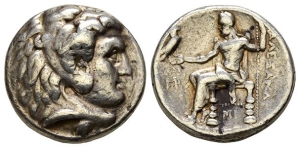
Seleukid Empire, Seleukos I Nikator AR Tetradrachm. Second satrapy and kingship, 312-281 BC.
Sold for (Inc. bp): £156
Babylon I mint; circa 311-300 BC. In the name and types of Alexander III of Macedon. Head of Herakles to right, wearing lion skin headdress, paws tied beneath chin / ΒΑΣIΛΕΩΣ ΑΛΕΞΑΝΔΡΟΥ, Zeus seated to left on high-backed throne, right leg drawn back, holding long sceptre in his left hand and, in his right, eagle standing to right with closed wings, monogram in wreath in left field, MI beneath throne. SC 82.5b; Price 3747; Müller 734; HGC 9, 10f. 17.02gr, 26mm, 5h
Near Very Fine.
Property of a Cambridgeshire, UK, gentleman. -
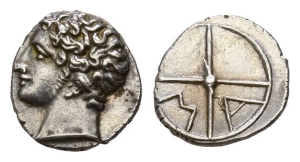
Gaul, Massalia AR Obol. Circa 336-310 BC.
Estimate: £400 - 600 (‡+bp*)
Opening Bid: £200
Bare head of Apollo to left / M-A within wheel of four spokes. Maurel 360. 0.71gr, 10mm, 4h
Extremely Fine. Small die break on reverse. Sharply detailed; toned with traces of blue-green iridescence on obverse.
From a Swiss private collection, before 2005.
