
Loading, please wait...
LOT 1248
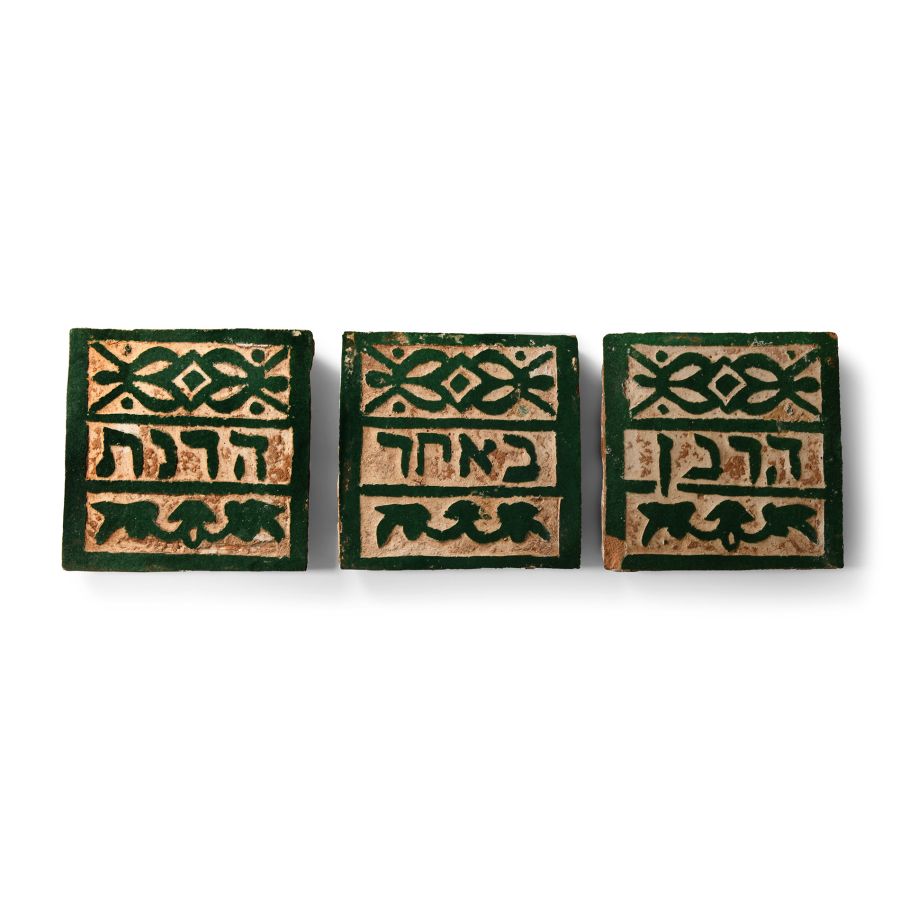
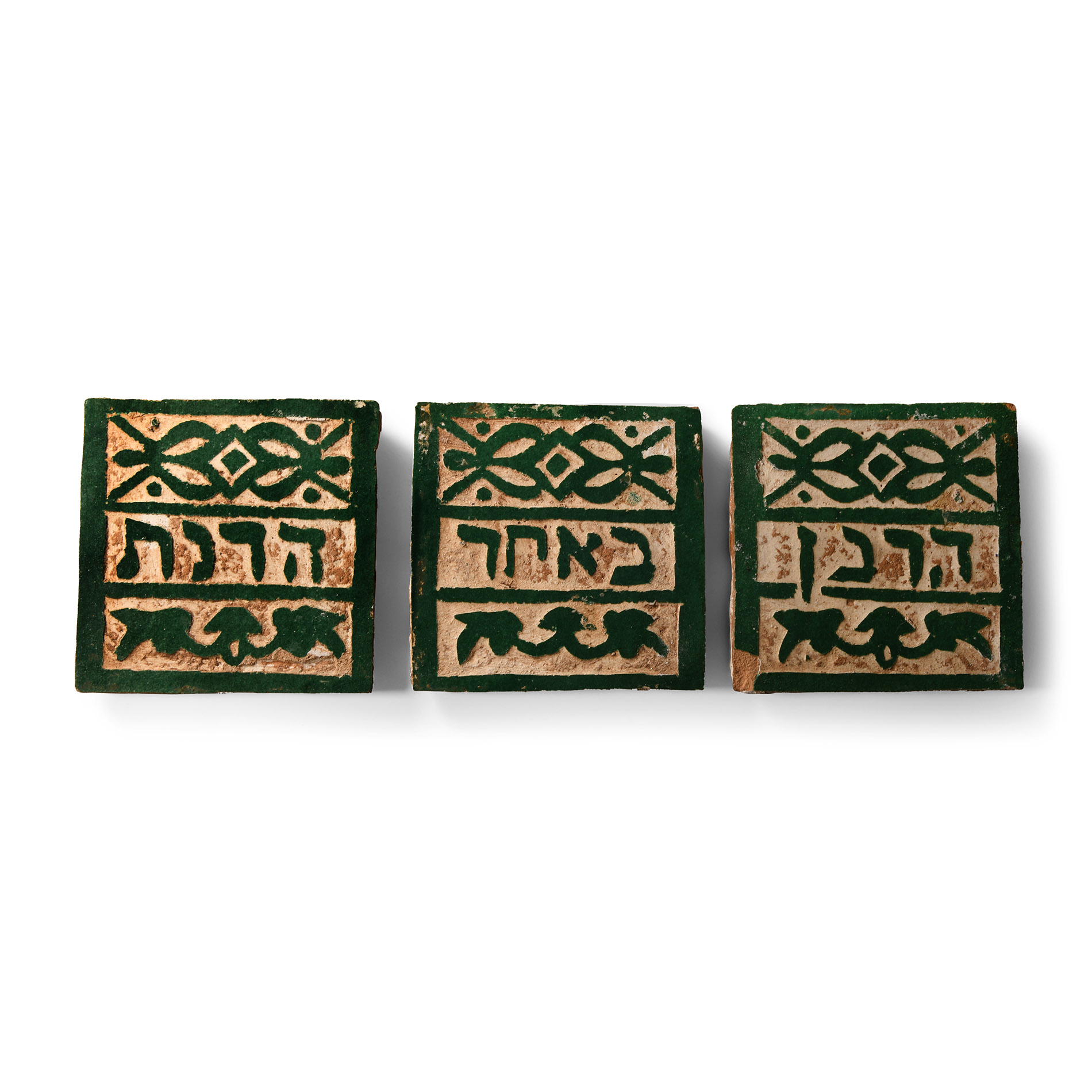
Judaic Green Glazed Tile Group
19TH-20TH CENTURY A.D.
4 1/8 x 4 1/8 in. (641 grams total, 10.6 x 10.6 cm each).
Group of three square ceramic tiles with reserved foliage motifs and Hebrew text. [3]
Provenancewith a London, UK gallery 1971.
CONDITIONTimeLine Auctions follows a vetting process to ensure the authenticity and legality of all items, reinforcing our commitment to integrity and responsible trading. Each antiquity, antique, and coin lot undergoes thorough examination by a vetting committee of at least ten external specialists, professional trade association members, scientists, and archaeologists: Our Vetting Process
AUCTIONS:
TimeLine is a leading auction house specialising in antiquities, ancient art, collectables, natural history, coins, medals, and books. Our auctions offer museums, collectors, historians, and enthusiasts the opportunity to acquire unique and historically significant pieces.
-
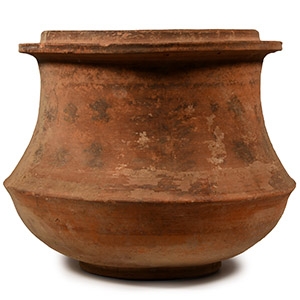
Massive Western Asiatic Terracotta Jar
2nd-1st millennium B.C.Sold for (Inc. bp): £169
With carinated profile, rounded underside and basal ring; scooped shoulder and flared rim to the mouth with stepped contour, rim chipped. 12.35 kg, 39 cm
Acquired 1980-2015. Ex Abelita family collection. -
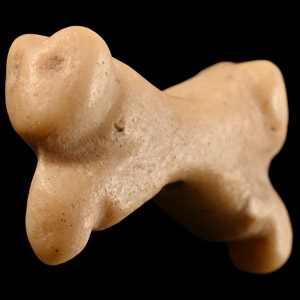
Jemdet Nasr Type Alabaster Animal Amulet
Sumerian, 3rd millennium B.C.Sold for (Inc. bp): £117
Carved in the round, double-headed leaping beast with hole to the centre. 2.67 grams, 24 mm
Collected from 1969-1999. From the collection of the late Mr S.M., London, UK. -
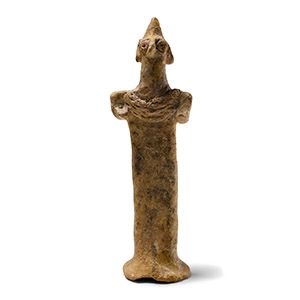
Western Asiatic Terracotta Idol
3rd-2nd millennium B.C.Estimate: £800 - 1,000 (‡+bp*)
Opening Bid: £400
Free-standing, with a pinched, bird-like face, conical headdress or hairstyle, ornamental collar and stub arms; splayed foot. 57 grams, 13.5 cm high
Acquired in the 1970s. Ex European private collection.
