
Loading, please wait...
LOT 1218
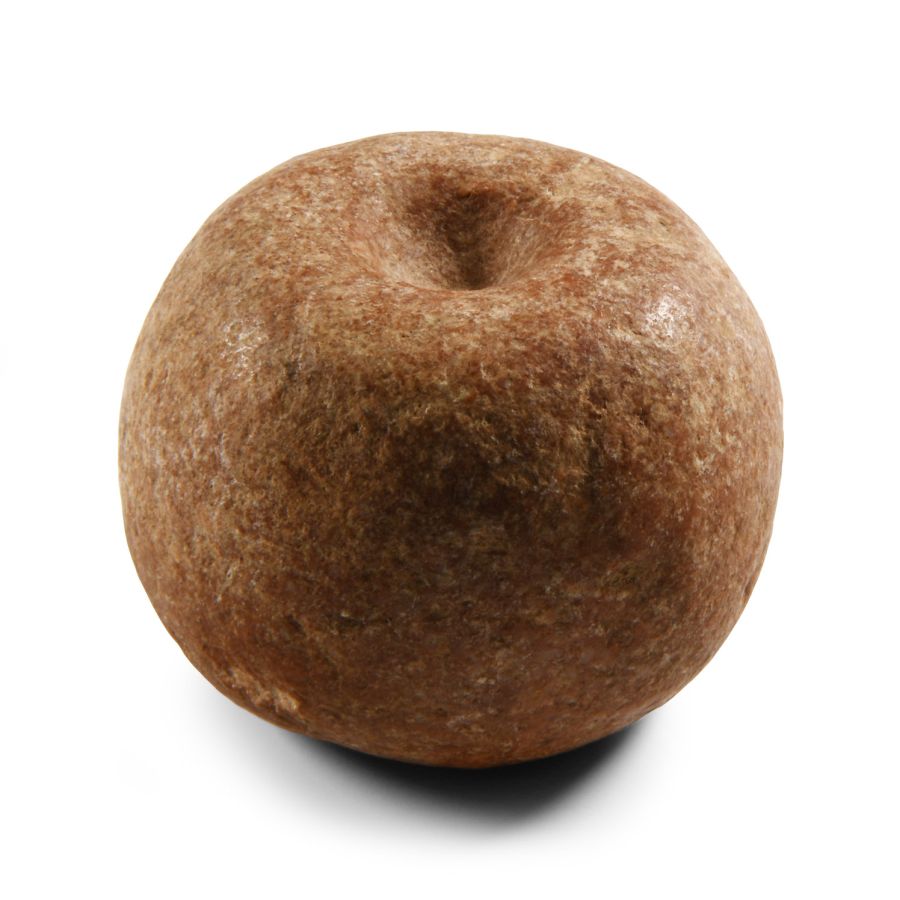
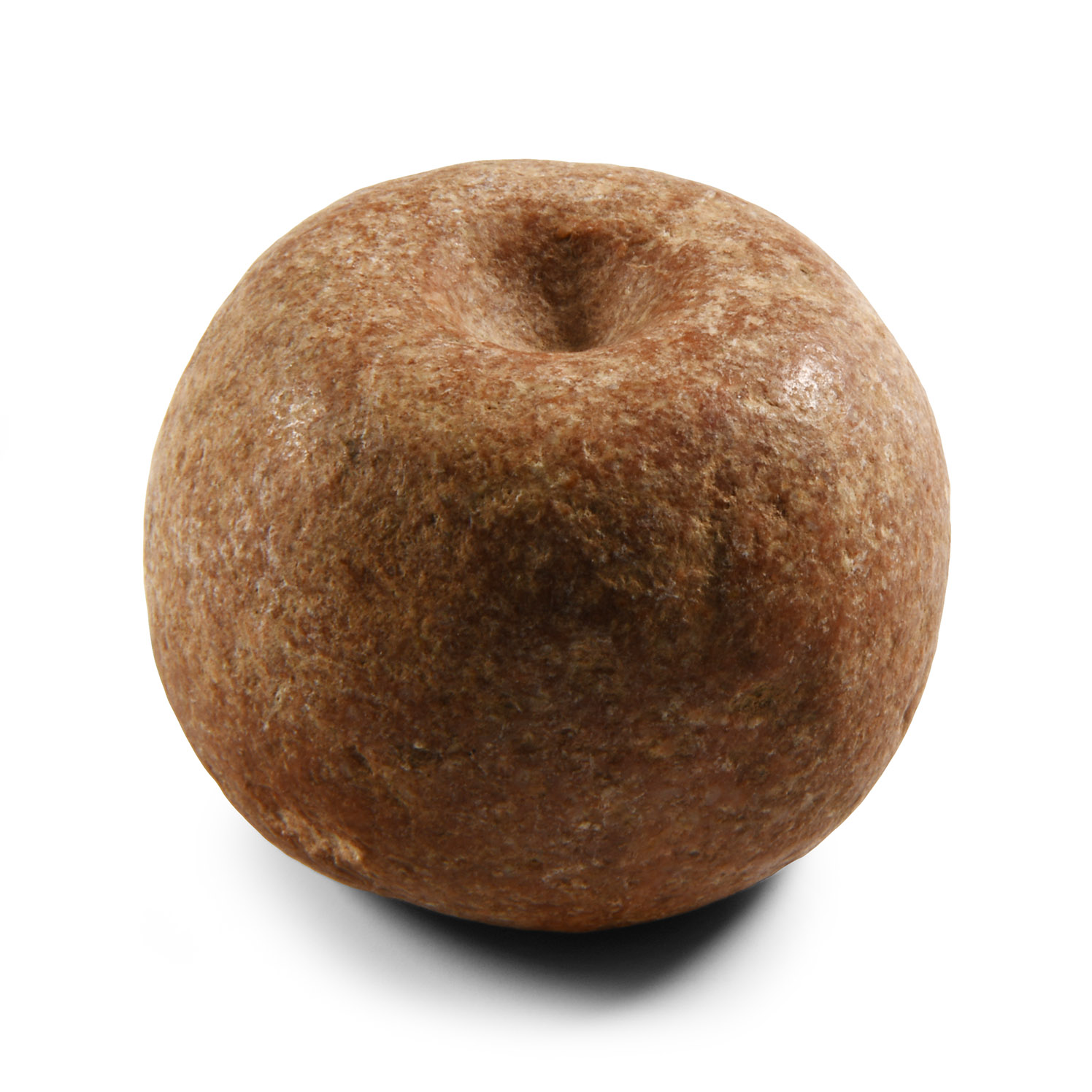
Judaean Stone Shekel Weight
1ST MILLENNIUM B.C.
2 in. (156 grams, 49 mm).
Oblate in profile with recess to the upper face. [No Reserve]
ProvenanceEx Simmons gallery, London, UK.
From a North London collection, 1990s.
TimeLine Auctions follows a vetting process to ensure the authenticity and legality of all items, reinforcing our commitment to integrity and responsible trading. Each antiquity, antique, and coin lot undergoes thorough examination by a vetting committee of at least ten external specialists, professional trade association members, scientists, and archaeologists: Our Vetting Process
AUCTIONS:
TimeLine is a leading auction house specialising in antiquities, ancient art, collectables, natural history, coins, medals, and books. Our auctions offer museums, collectors, historians, and enthusiasts the opportunity to acquire unique and historically significant pieces.
-
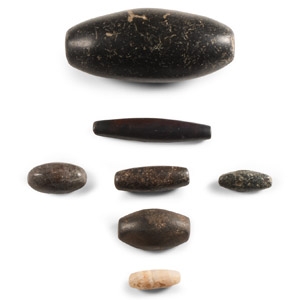
Mesopotamian Stone Weight Collection
Circa 1st millennium B.C.Sold for (Inc. bp): £117
Mainly fusiform, one with engraved figure. 122 grams total, 20-67 mm
Ex Simmons gallery, London, UK. Ex North London collection, 1990s. -
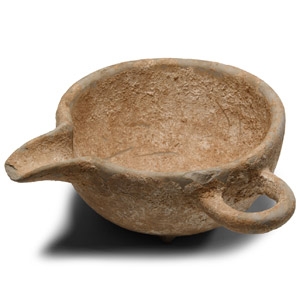
Luristan Spouted Terracotta Bowl
Circa 13th-7th century B.C.Sold for (Inc. bp): £131
With broad hemispherical bowl, short U-section spout, integral round-section handle and three stub feet. 210 grams, 13.5 cm wide
Acquired 1980-2015. Ex Abelita family collection. -
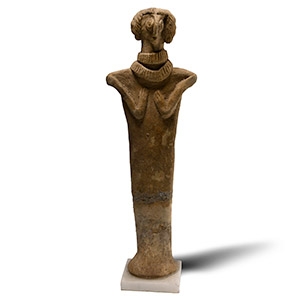
Large Syro-Hittite Terracotta Goddess Idol
1500-500 B.C.Sold for (Inc. bp): £364
Standing female deity (Astarte?), wearing a long cloak and two broad necklaces; arms bent and hands placed on the chest; mounted on a custom-made stand; repaired. 260 grams total, 23 cm high including stand
From a collection acquired on the UK art market from various auction houses and collections mostly before 2000. From an important Cambridgeshire estate; thence by descent.
