
Loading, please wait...
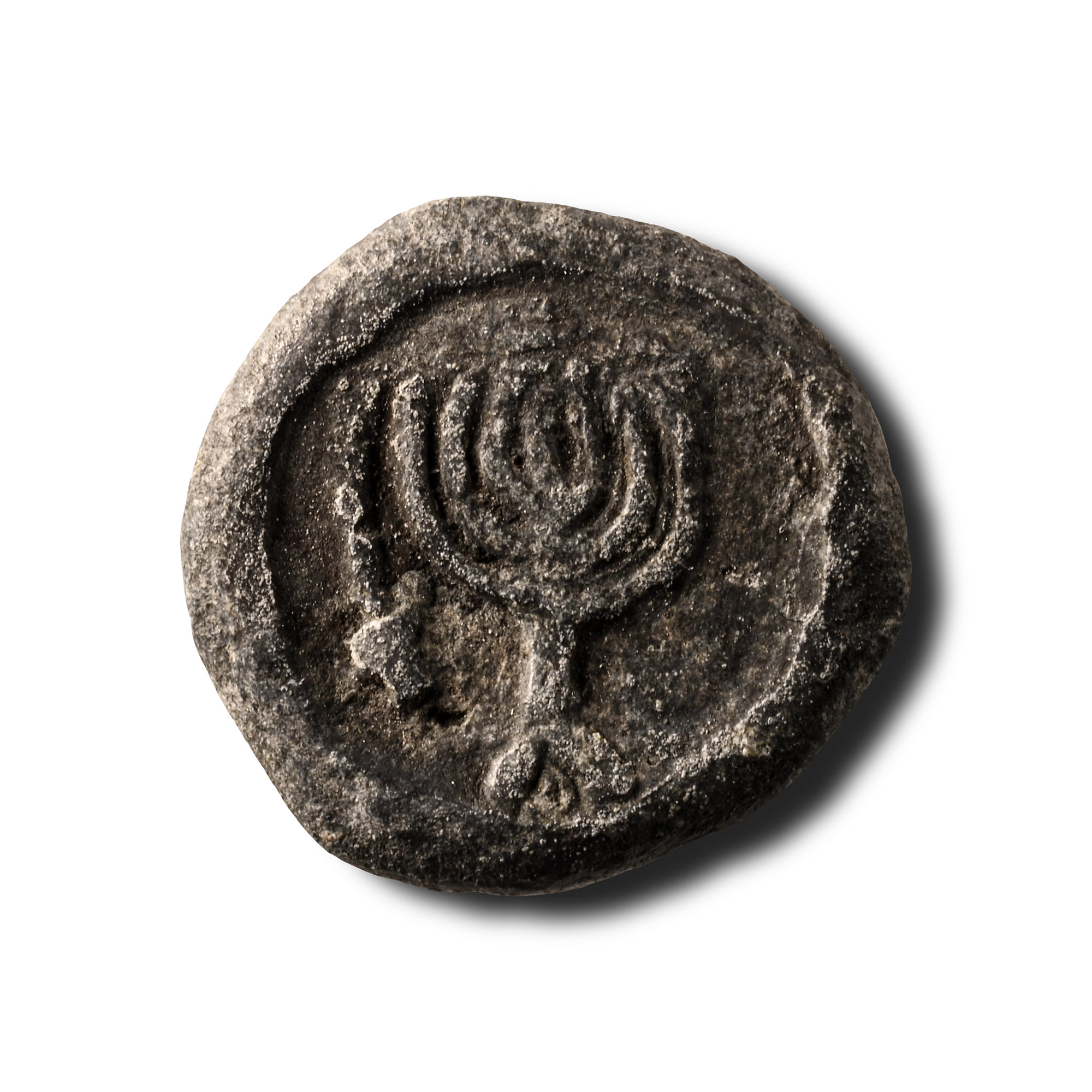
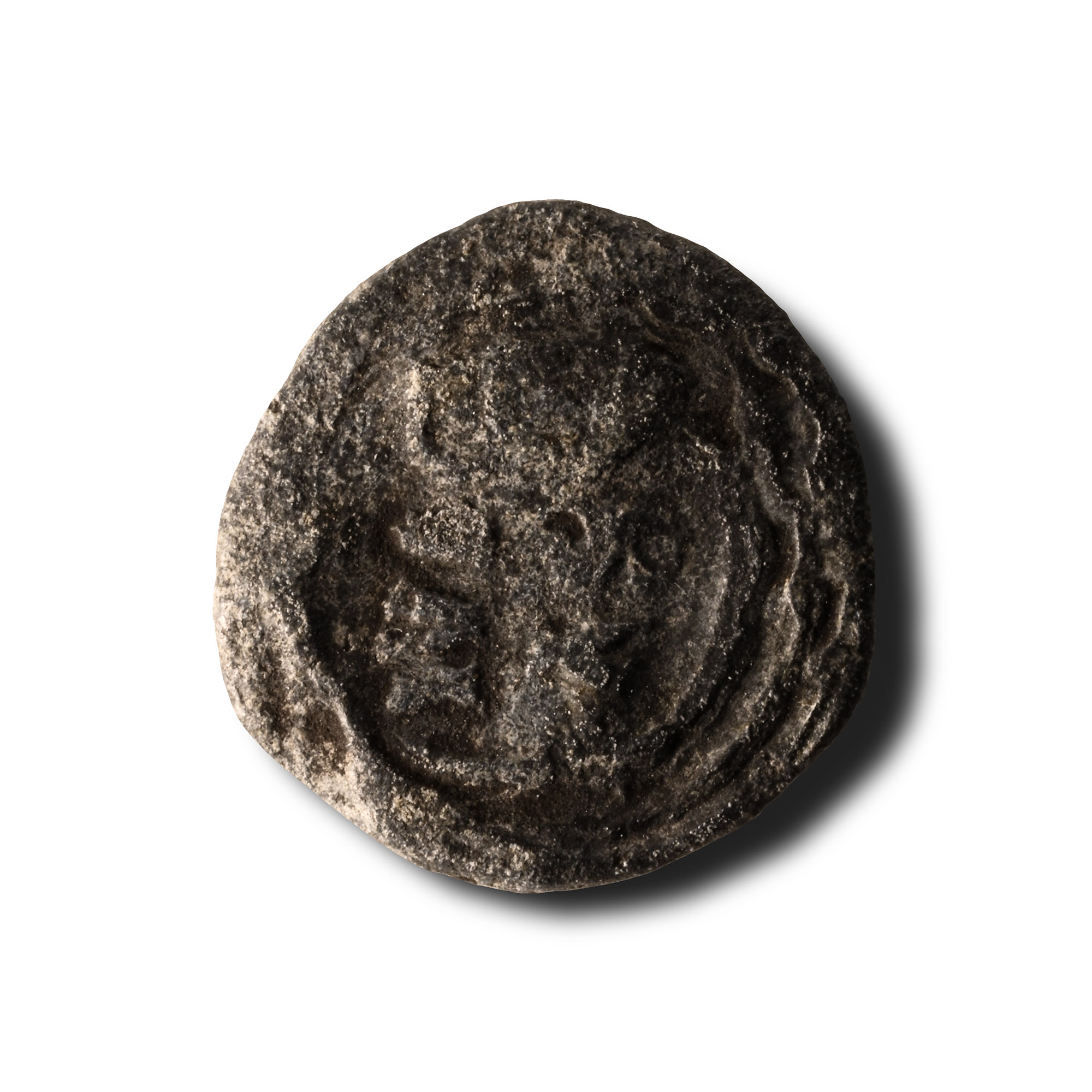
LOT 0799
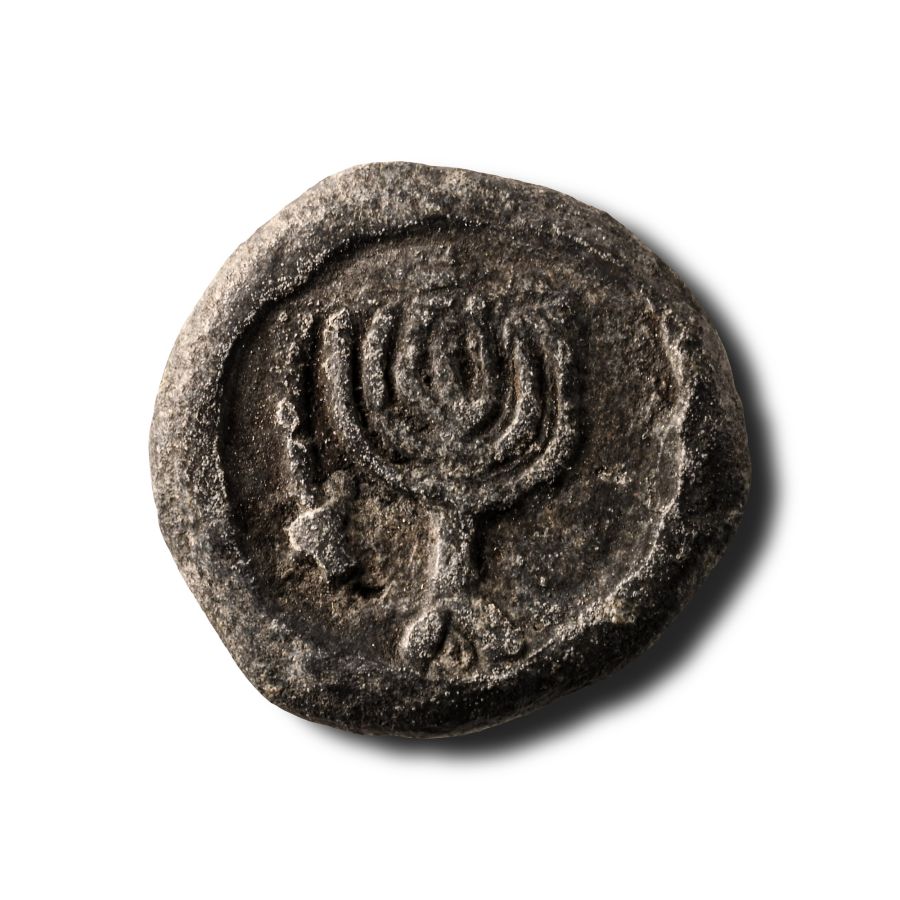
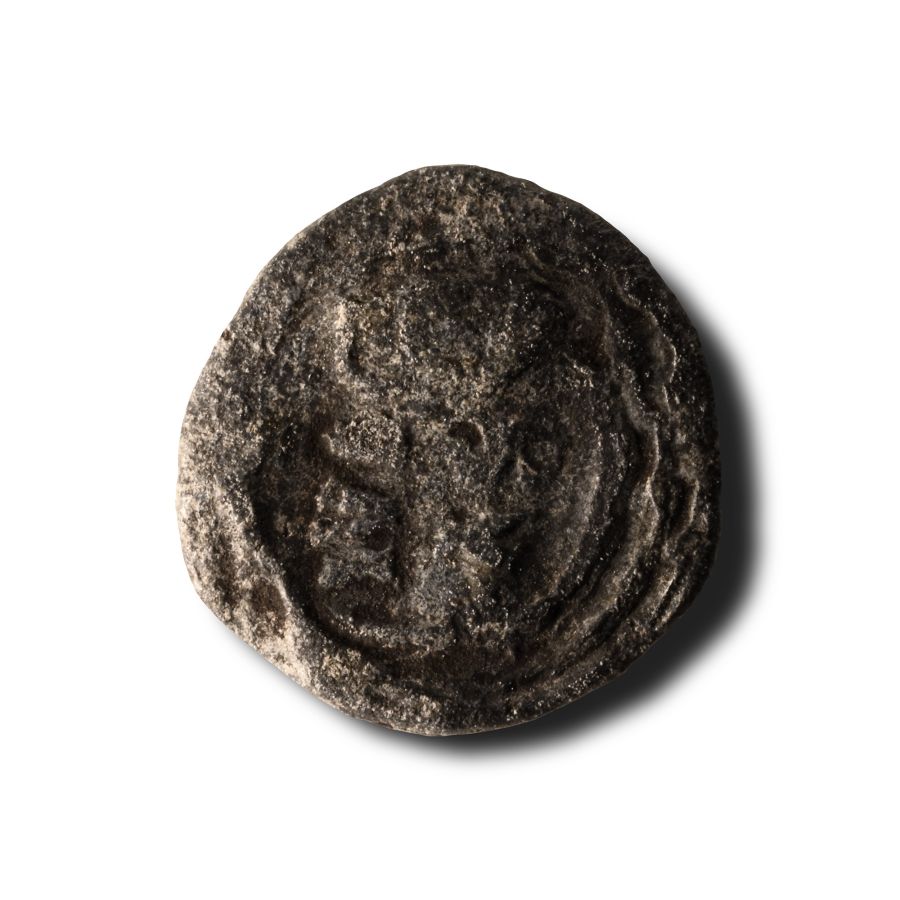
Judaean Lead Weight
1ST-4TH CENTURY A.D.
5/8 in. (4.99 grams, 17 mm).
Discoid bifacial weight with reserved menorah to obverse, legend '[..]DOM' to reverse.
ProvenanceAcquired in 1996.
European private collection.
TimeLine Auctions follows a vetting process to ensure the authenticity and legality of all items, reinforcing our commitment to integrity and responsible trading. Each antiquity, antique, and coin lot undergoes thorough examination by a vetting committee of at least ten external specialists, professional trade association members, scientists, and archaeologists: Our Vetting Process
AUCTIONS:
TimeLine is a leading auction house specialising in antiquities, ancient art, collectables, natural history, coins, medals, and books. Our auctions offer museums, collectors, historians, and enthusiasts the opportunity to acquire unique and historically significant pieces.
-
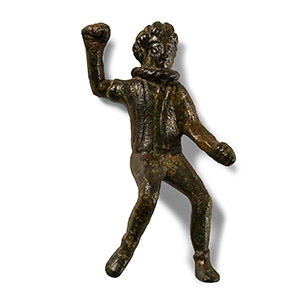
Romano-Celtic Bronze Statuette of a Warrior Wearing Torc
Circa 1st-2nd century A.D.Sold for (Inc. bp): £390
Modelled in the round, standing with right leg bent, right arm raised and left extended before the body; with thick tousled hair, exaggerated torc to the neck, jacket with incised vertical lines, tight-fitting trousers and ankle-boots. 53 grams total, 67 mm
From a collection acquired on the UK art market from various auction houses and collections mostly before 2000. From an important Cambridgeshire estate; thence by descent.
The pose of the figure suggests that he is in the action of brandishing a weapon, or possibly holding the reins of a team of horses pulling a chariot. Caesar mentions the expert use of the war-chariot by the Britons (Conquest of Gaul, IV.33). The padded garment suggests a Celtic auxiliary in the Roman army. -
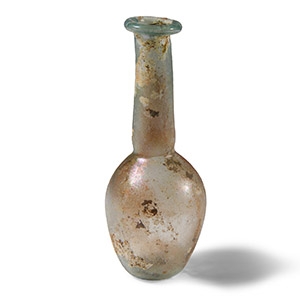
Roman Translucent Glass Bottle
1st-2nd century A.D.Sold for (Inc. bp): £130
Having piriform-globular body and everted rim, tubular neck and flat base with small kick. 20 grams, 11.5 cm high
Acquired 1980-2015. Ex Abelita family collection.
The bottle seems to belong to the type 13 of the De Tommaso classification, but with a more piriform body. By the 1st century A.D., the technique of glass-blowing revolutionised the art of glass-making and allowed for the production of small medicine, incense, and perfume containers in new forms. Glass unguentaria, bottles and vessels of various shapes were manufactured with blow-pipes, free-blown, or mould-blown, and were prevalent throughout the all the provinces of the huge empire. -
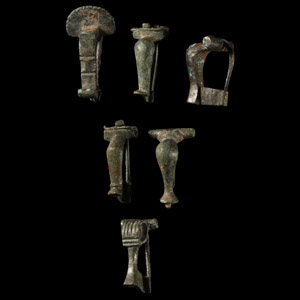
Roman Bronze Knee Brooch Collection
2nd century A.D.Sold for (Inc. bp): £143
Comprising examples with sprung pins or hinged pins and catchplates to reverses. 66 grams total, 29-39 mm
Ex property of an Austrian private collector since the 1970s.
