
Loading, please wait...
LOT 0212
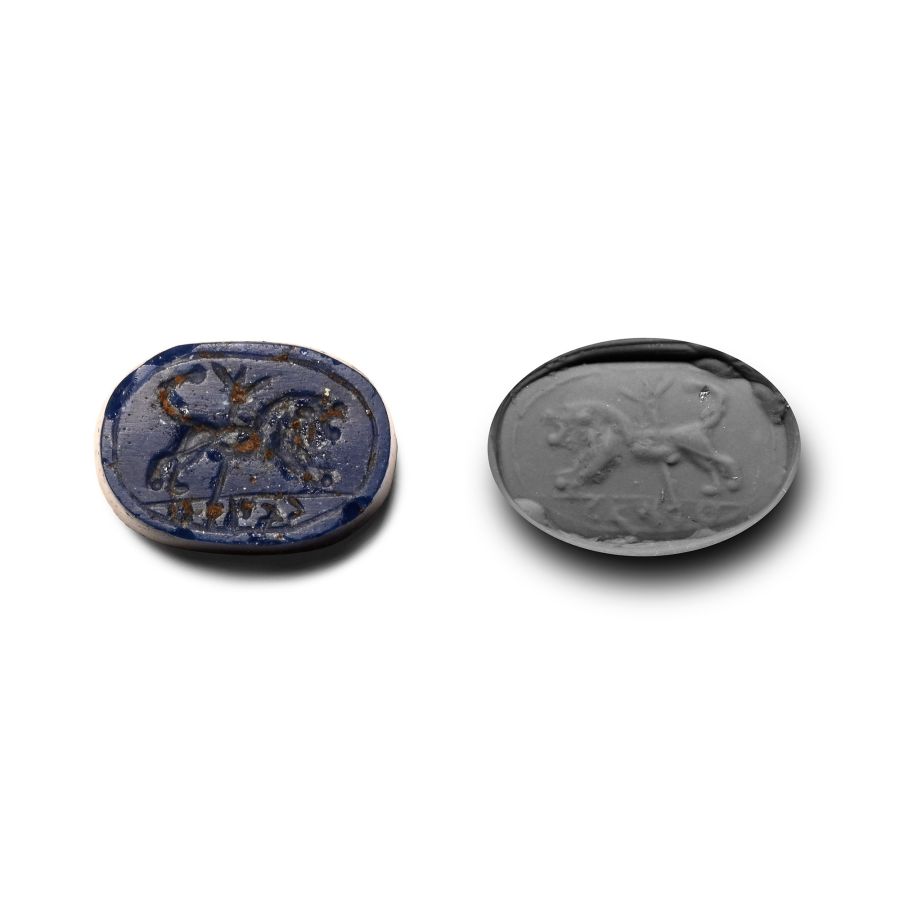
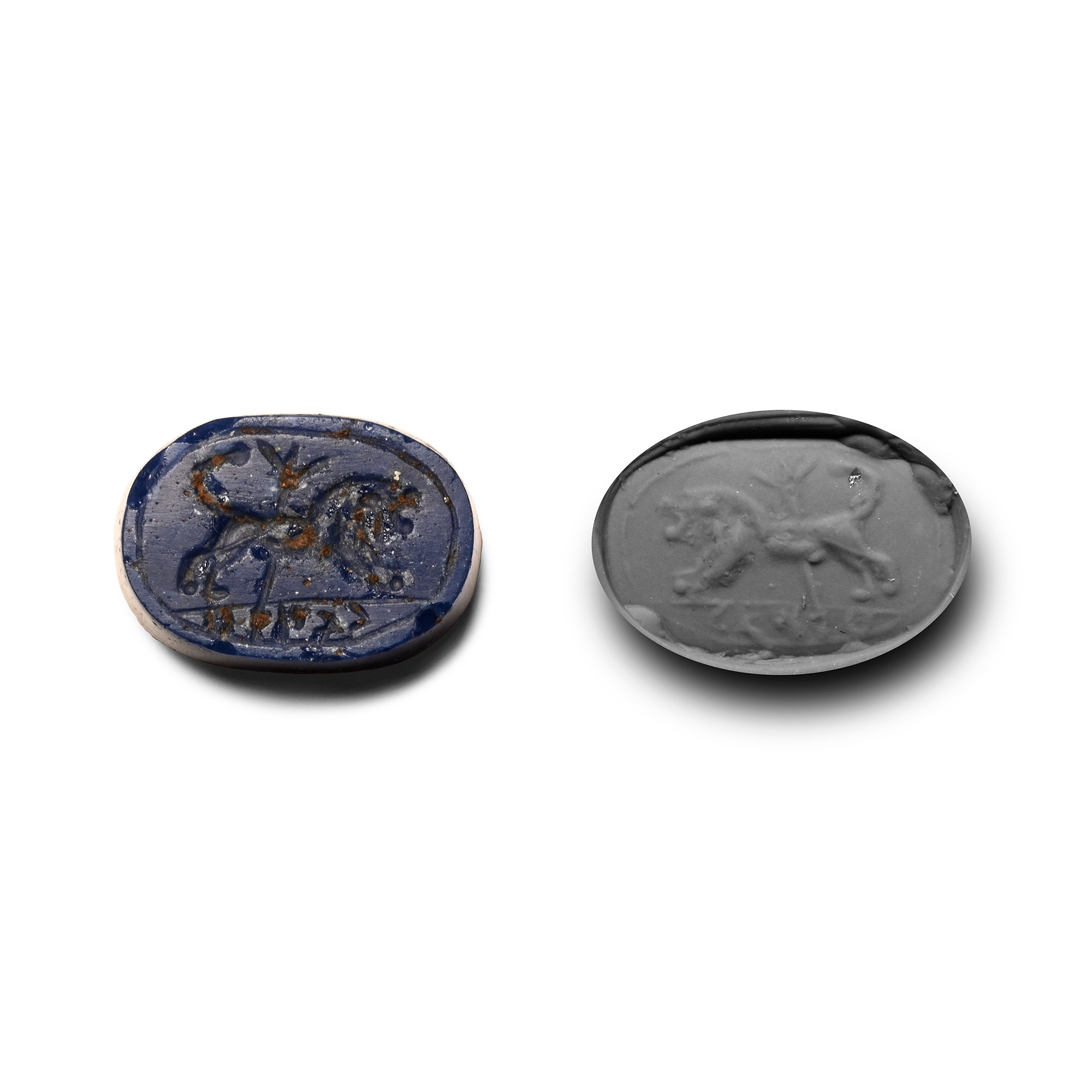
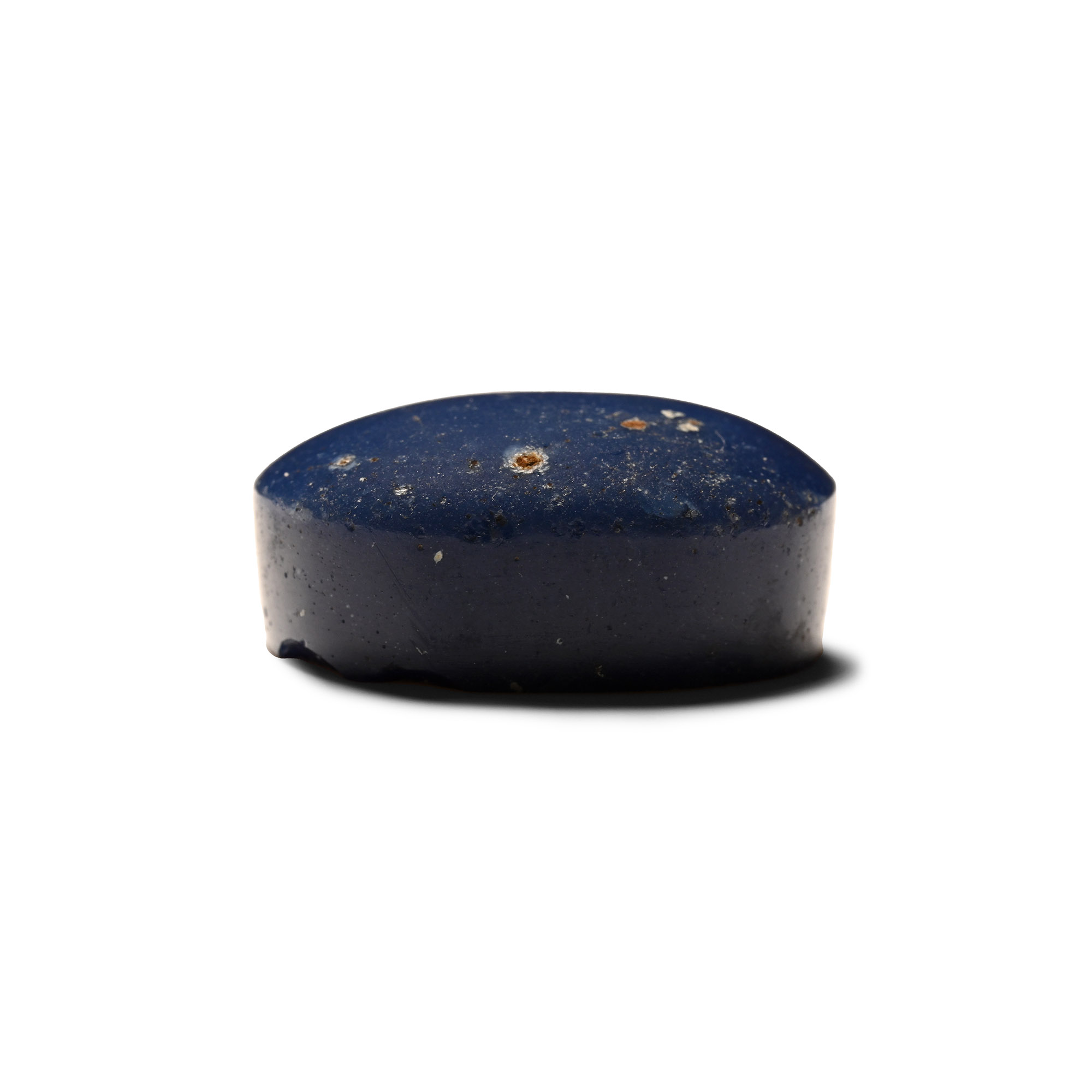
Judaean Gem with Lion and Hebrew Inscription
CIRCA 7TH-5TH CENTURY B.C.
3/4 in. (5.05 grams, 20 mm).
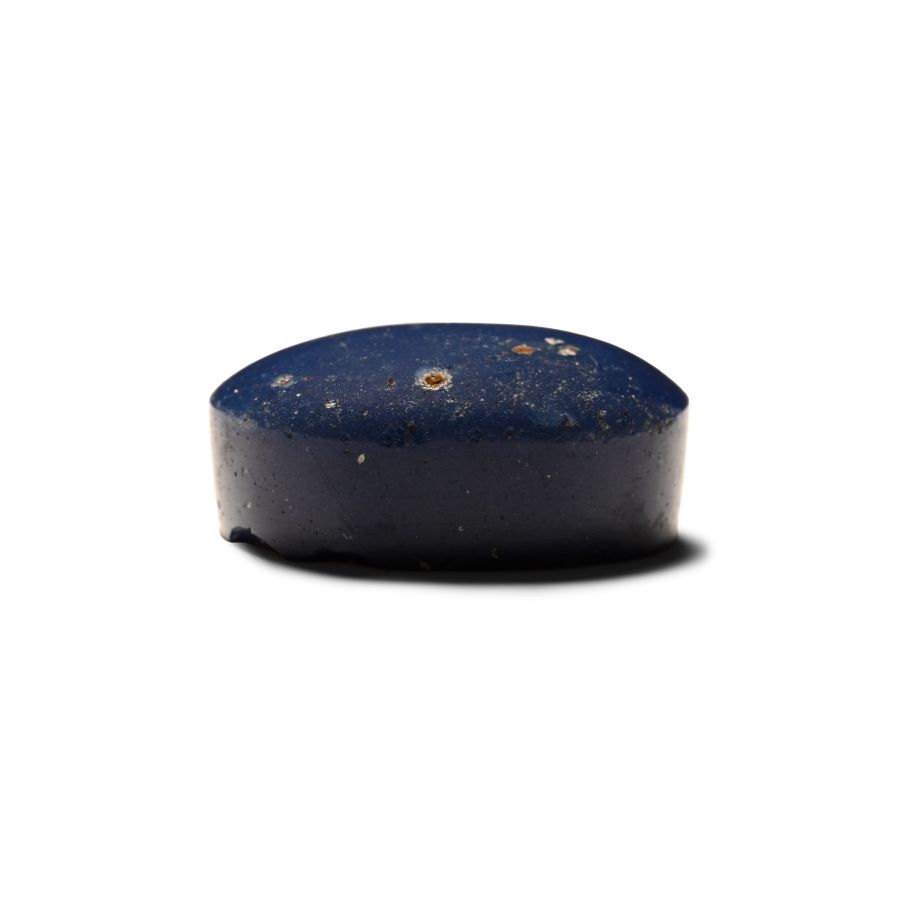
Plano-convex glass seal imitating lapis lazuli with incuse leaping lion on a baseline with legend below, unpierced.
ProvenanceFrom the Fadel family collection, London, UK, 1970s.
CONDITIONTimeLine Auctions follows a vetting process to ensure the authenticity and legality of all items, reinforcing our commitment to integrity and responsible trading. Each antiquity, antique, and coin lot undergoes thorough examination by a vetting committee of at least ten external specialists, professional trade association members, scientists, and archaeologists: Our Vetting Process
AUCTIONS:
TimeLine is a leading auction house specialising in antiquities, ancient art, collectables, natural history, coins, medals, and books. Our auctions offer museums, collectors, historians, and enthusiasts the opportunity to acquire unique and historically significant pieces.
-
Trans Jordan Terracotta Bowl
Early Bronze Age I, 3rd millennium B.C.Sold for (Inc. bp): £39
Of squat profile with slightly chamfered rim. 1.06 kg, 21.5 cm wide
From an important collection of terracotta pre 1988, London and Geneva. -
Akkadian Cylinder Seal with Presentation Scene
2nd millennium B.C.Sold for (Inc. bp): £572
Haematite with a seated bearded male figure in long robes and cap, hand held up and holding a cup, crescent moon above; to the front a male deity wearing long robes and a horned cap leading a male figure by the hand, male in long robes and hand held to mouth; behind a male figure in long robes and arms crossed over chest, rectangular panel with three columns of cuneiform text. 7.1 grams, 16 mm
From an important North London collection formed in the late 1980s. From a collection acquired from various auction houses in the UK. From the estate of Mr R.W., a private Wiltshire, UK, collector; thence by descent. -
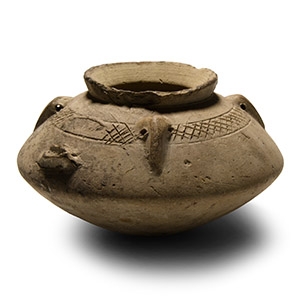
Mesopotamian Terracotta Jar
3rd millennium B.C.Sold for (Inc. bp): £156
Biconvex in profile with rounded undeside, flared rim to the mouth; band of hatched ornament to the shoulder with pierced bird head-shaped lugs, remains of two ledge handles. 149 grams, 99 mm wide
From a collection acquired on the UK art market from various auction houses and collections mostly before 2000. From an important Cambridgeshire estate; thence by descent.
