
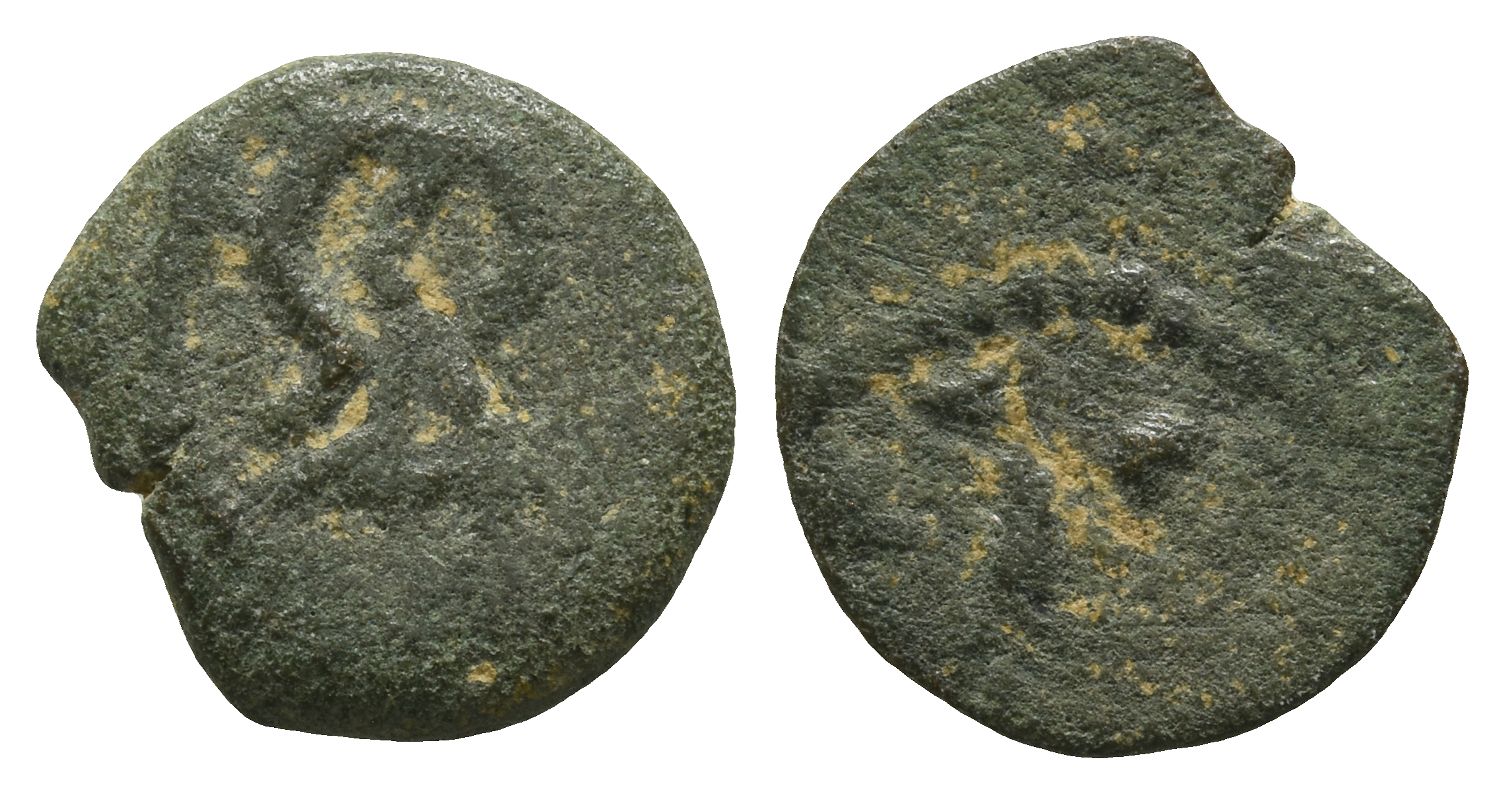
LOT 2966
Judaea, Herodians, Herod I AE Prutah. 40-4 BCE.
Jerusalem mint. Tripod / Diadem. Meshorer 54; Hendin 6214; HGC 10, 657. Fine.(1.31gr, 14mm). [No Reserve]
ProvenanceProperty of a North London, UK, gentleman.
TimeLine Auctions follows a vetting process to ensure the authenticity and legality of all items, reinforcing our commitment to integrity and responsible trading. Each antiquity, antique, and coin lot undergoes thorough examination by a vetting committee of at least ten external specialists, professional trade association members, scientists, and archaeologists: Our Vetting Process
AUCTIONS:
TimeLine is a leading auction house specialising in antiquities, ancient art, collectables, natural history, coins, medals, and books. Our auctions offer museums, collectors, historians, and enthusiasts the opportunity to acquire unique and historically significant pieces.
-
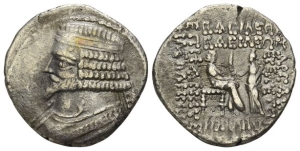
Kings of Parthia, Phraates IV AR Tetradrachm. Circa 38/7-2 BC.
Sold for (Inc. bp): £52
Seleukeia on the Tigris mint. Uncertain month and SE year. Diademed and draped bust to left, with pointed beard / ΒΑΣΙΛΕΩΣ ΒΑΣΙΛΕΩΝ ΑΡΣΑΚΟY ΕYΕΡΓΕΤΟY ΔΙΚΑΙΟY ΕΠΙΦΑΝΟYΣ ΦΙΛΕΛΛΗΝΟΣ, Phraates seated to right on throne, receiving palm frond from Tyche standing to left, who holds cornucopia with left hand; year and month in exergue. Cf. Sellwood 51.1-8; cf. Sunrise 390; cf. Shore 272. 10.46gr, 31mm, 12h
Very Fine. Struck on a broad flan.
Property of a Cambridgeshire, UK, gentleman. -
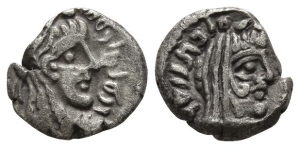
Nabataea, Rabbel II, with Gamilat, AR Drachm. AD 70/1-105/6.
Sold for (Inc. bp): £39
Petra mint; uncertain regnal year. Laureate head of Rabbel to right; Aramaic legend and date around / Veiled and draped bust of Gamilat to right; Aramaic legend around. Cf. CN 226-234; cf. Meshorer, Nabataea 149-154. 3.37gr, 15mm, 11h
Good Very Fine. Edge chipped.
Acquired on the UK art market before 2000; Property of an Essex, UK, gentleman. -
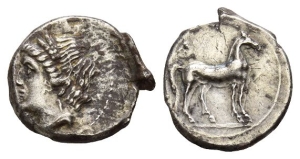
North Africa, Carthage AR Quarter Shekel. Circa 215-205 BC.
Sold for (Inc. bp): £156
Uncertain Punic mint in Bruttium (or Lokris?) under Carthaginian occupation. Head of Tanit to left, wearing wreath of grain ears and single pendant earring / Horse standing to right. HN Italy 2020; Müller 86; SNG Copenhagen 369. 1.79gr, 14mm, 9h
Very Fine. Toned.
From Den of Antiquity Int Ltd, ticket included; Property of a Cambridgeshire, UK, gentleman.
