
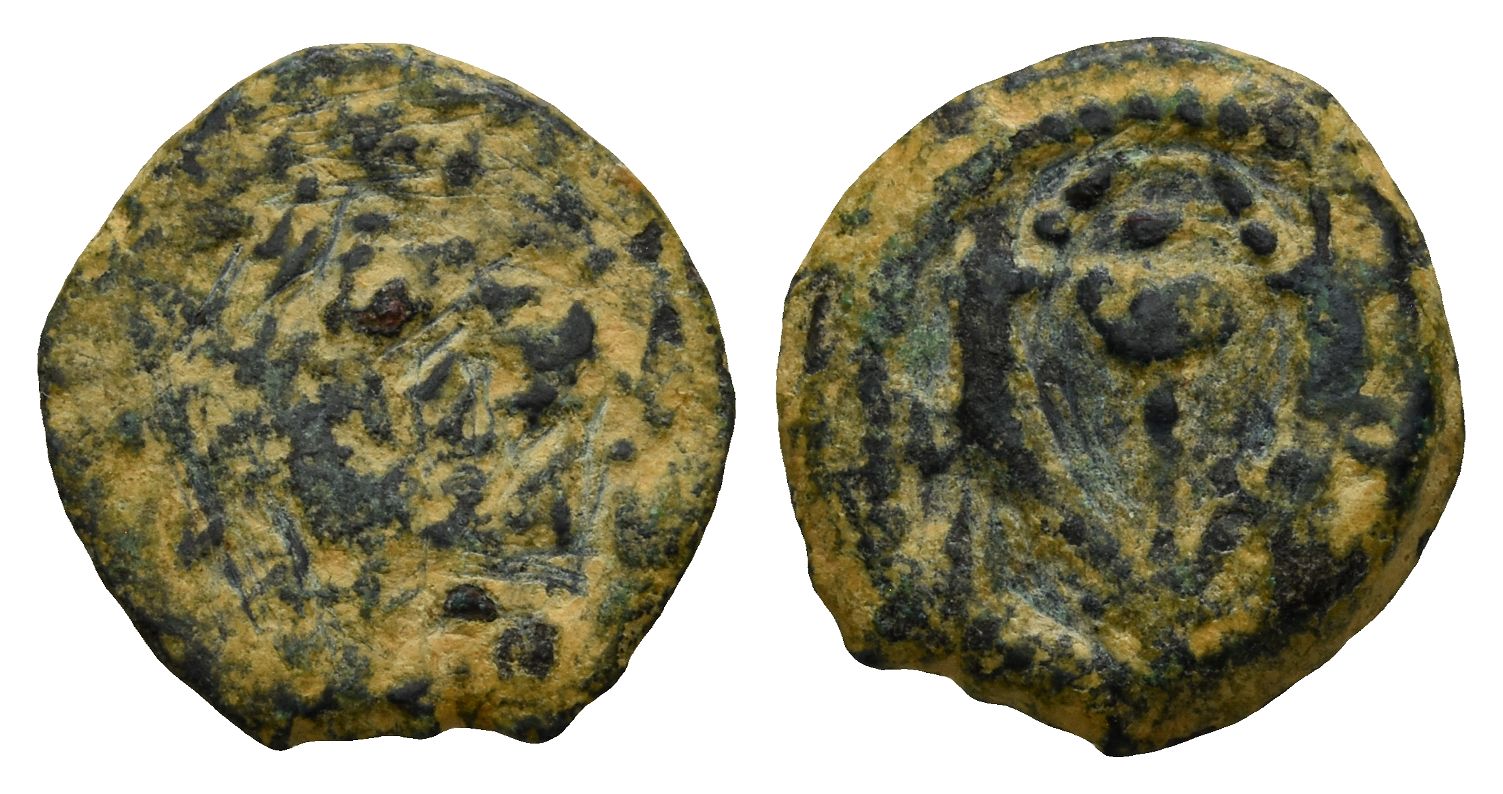
LOT 2964
Judaea, Hasmoneans, John Hyrcanus I(?) AE Prutah. 135-104 BCE.
Jerusalem mint. Illegible inscription in Paleo-Hebrew within wreath / Splayed double cornucopiae with pomegranate between the horns. Cf. Sofaer 124-143; cf. HGC 10, 630. Fine.(1.61gr, 14mm). [No Reserve]
ProvenanceProperty of a North London, UK, gentleman.
TimeLine Auctions follows a vetting process to ensure the authenticity and legality of all items, reinforcing our commitment to integrity and responsible trading. Each antiquity, antique, and coin lot undergoes thorough examination by a vetting committee of at least ten external specialists, professional trade association members, scientists, and archaeologists: Our Vetting Process
AUCTIONS:
TimeLine is a leading auction house specialising in antiquities, ancient art, collectables, natural history, coins, medals, and books. Our auctions offer museums, collectors, historians, and enthusiasts the opportunity to acquire unique and historically significant pieces.
-
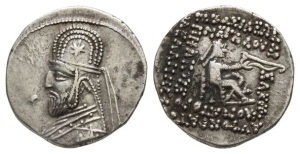
Kings of Parthia, Mithradates III AR Drachm. Circa 87-79 BC.
Sold for (Inc. bp): £33
Rhagai mint. Diademed and draped bust to left, wearing tiara decorated with eight-rayed star / Archer (Arsakes I) seated to right on throne, holding bow. Sellwood 31.6 (Orodes I); Shore 123 (Orodes I); Sunrise -. 4.07gr, 19mm, 12h
Very Fine.
From a UK private collection. -
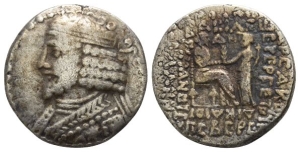
Kings of Parthia, Vardanes I AR Tetradrachm. Circa AD 40-45.
Estimate: £120 - 170 (+bp*)
Opening Bid: £60
Seleukeia on the Tigris mint. Dated Hyperberetaios SE 354 (September AD 43). Diademed and draped bust to left, wearing short beard / ΒΑΣΙΛΕΩΣ ΒΑΣΙΛΕΩΝ ΑΡΣΑΚΟY EYEPΓETOY ΔΙΚΑΙΟY ΕΠΙΦΑΝΟYΣ ΦΙΛΕΛΛΗΝΟΣ, Vardanes enthroned to right, receiving palm from Tyche standing to left and holding cornucopia with left hand; ΔNT (year) in field above, ΥΠΕΡΒΕΡΕΤΑΙΟΥ (month) in exergue. Sellwood 64.19. 11.41gr, 27mm, 12h
Near Very Fine.
From a UK private collection. -
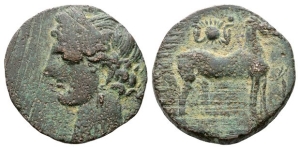
Zeugitania, Carthage AE Dishekel. Circa 241-221 BC.
Sold for (Inc. bp): £33
First Punic War. Head of Kore to left, wearing wreath of corn ears / Horse standing to right; radiate sun disk flanked by uraei above, Punic letter 'alef' in right field. CNP 46a; MAA -. 10.87gr, 25mm, 6h
Very Fine. Beautiful olive green patina.
Acquired on the UK art market; Property of an Essex, UK, gentleman.
