
Loading, please wait...
LOT 1238
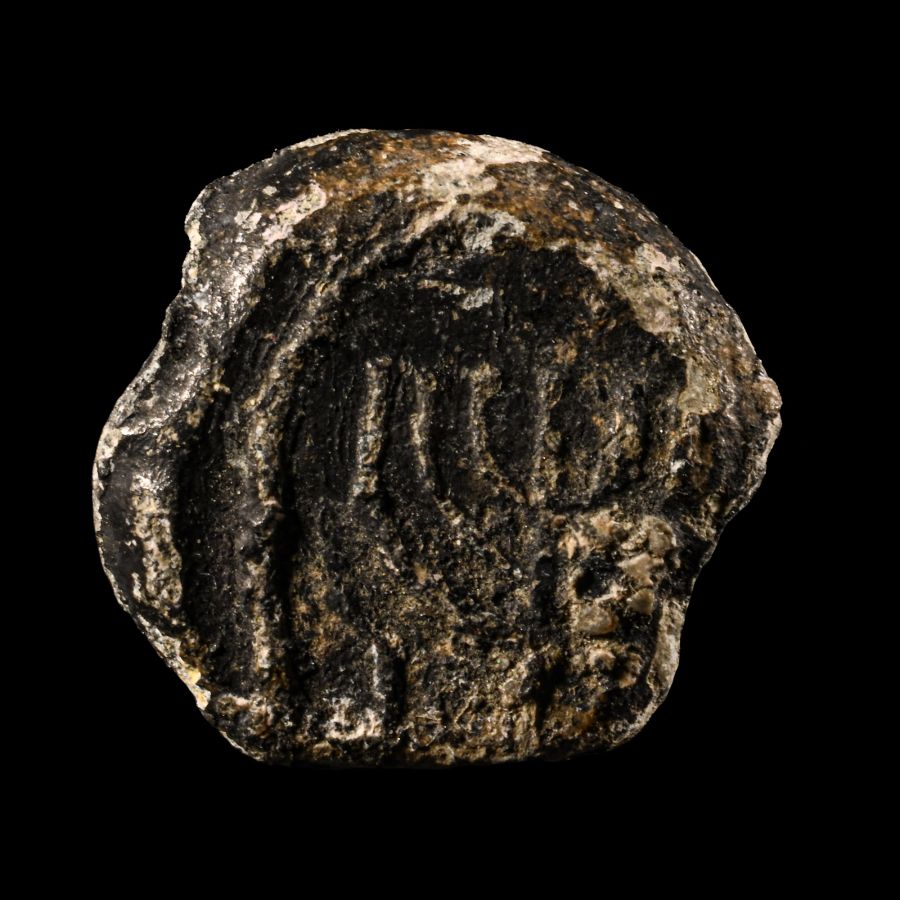
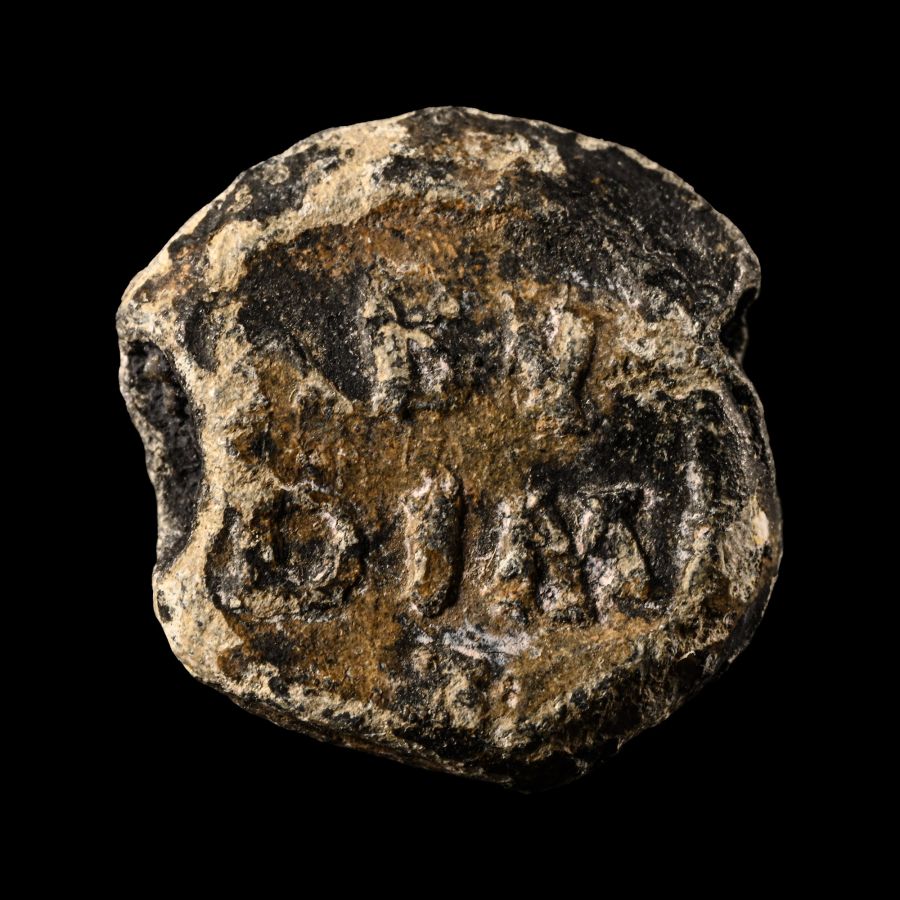
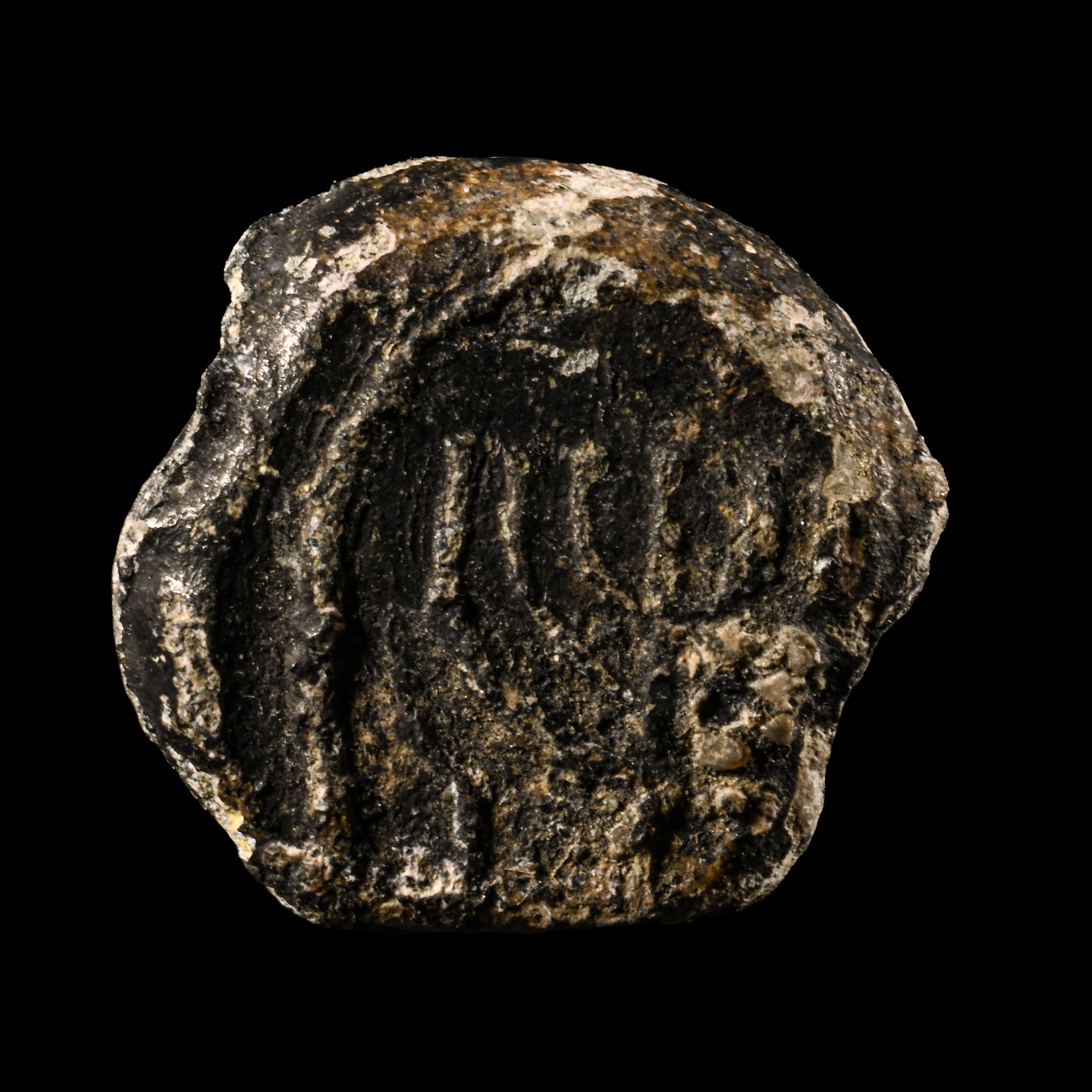
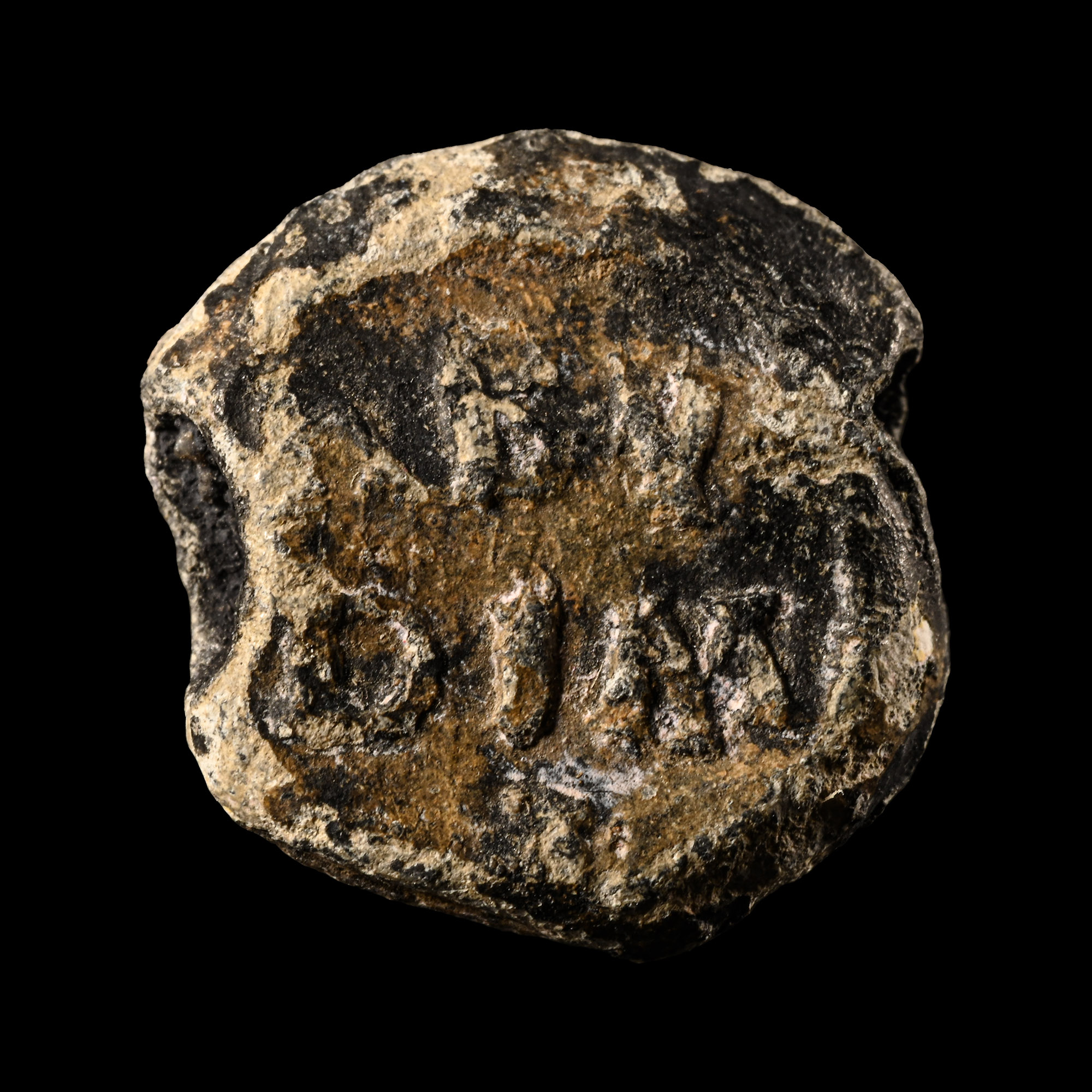
Jewish Lead Sealing with Menorah
CIRCA 4TH CENTURY A.D. OR EARLIER
1/2 in. (4 grams, 14 mm).
Impressed menorah to one face, the other side with two line inscription.
ProvenanceCollected from 1969-1999.
From the collection of the late Mr S.M., London, UK.
TimeLine Auctions follows a vetting process to ensure the authenticity and legality of all items, reinforcing our commitment to integrity and responsible trading. Each antiquity, antique, and coin lot undergoes thorough examination by a vetting committee of at least ten external specialists, professional trade association members, scientists, and archaeologists: Our Vetting Process
AUCTIONS:
TimeLine is a leading auction house specialising in antiquities, ancient art, collectables, natural history, coins, medals, and books. Our auctions offer museums, collectors, historians, and enthusiasts the opportunity to acquire unique and historically significant pieces.
-
Jemdet Nasr Type Amulet Group
Sumerian, circa 3rd millennium B.C. and laterSold for (Inc. bp): £39
Mixed group including plano-convex type and two stylised zoomorphs. 98 grams total, 31-56 mm
From a collection acquired on the UK art market from various auction houses and collections mostly before 2000. From an important Cambridgeshire estate; thence by descent -
Western Asiatic Bone Inlay Group
1st millennium B.C.Sold for (Inc. bp): £117
Comprising: sphinx with wing and hatched field, red pigment; reserved bird on a rectangular field with border. 17.5 grams total, 39-40 mm
Collected from 1969-1999. From the collection of the late Mr S.M., London, UK. -
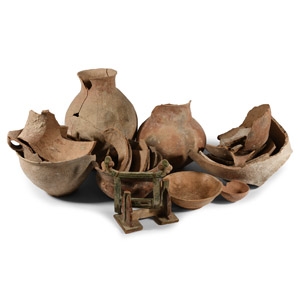
Holy Land and Other Terracotta Pottery Group
3rd-1st millennium B.C.Sold for (Inc. bp): £117
Including globular jars, bowls, vases, a polychrome glazed base and other items. 12.95 kg total, 2-30 cm
Ex London, UK, gallery, 1980-1990s.
