Loading, please wait...

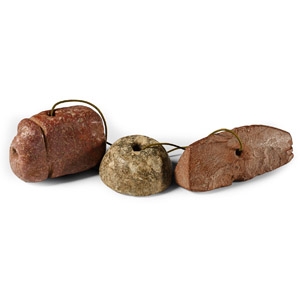
Jemdat Nasr Type Alabaster Animal Amulet Jemdat Nasr Type Alabaster Animal Amulet Jemdat Nasr Type Alabaster Animal Amulet
Use mousewheel to zoom in and out, click to enlarge
Details

LOT 1207

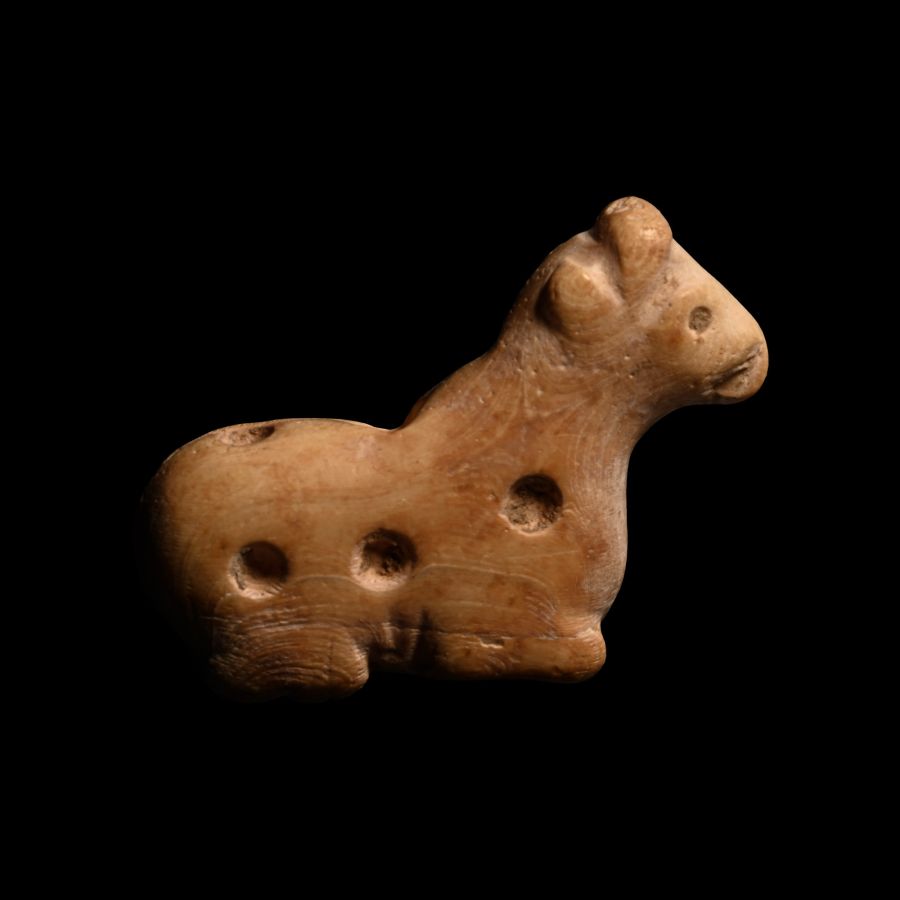
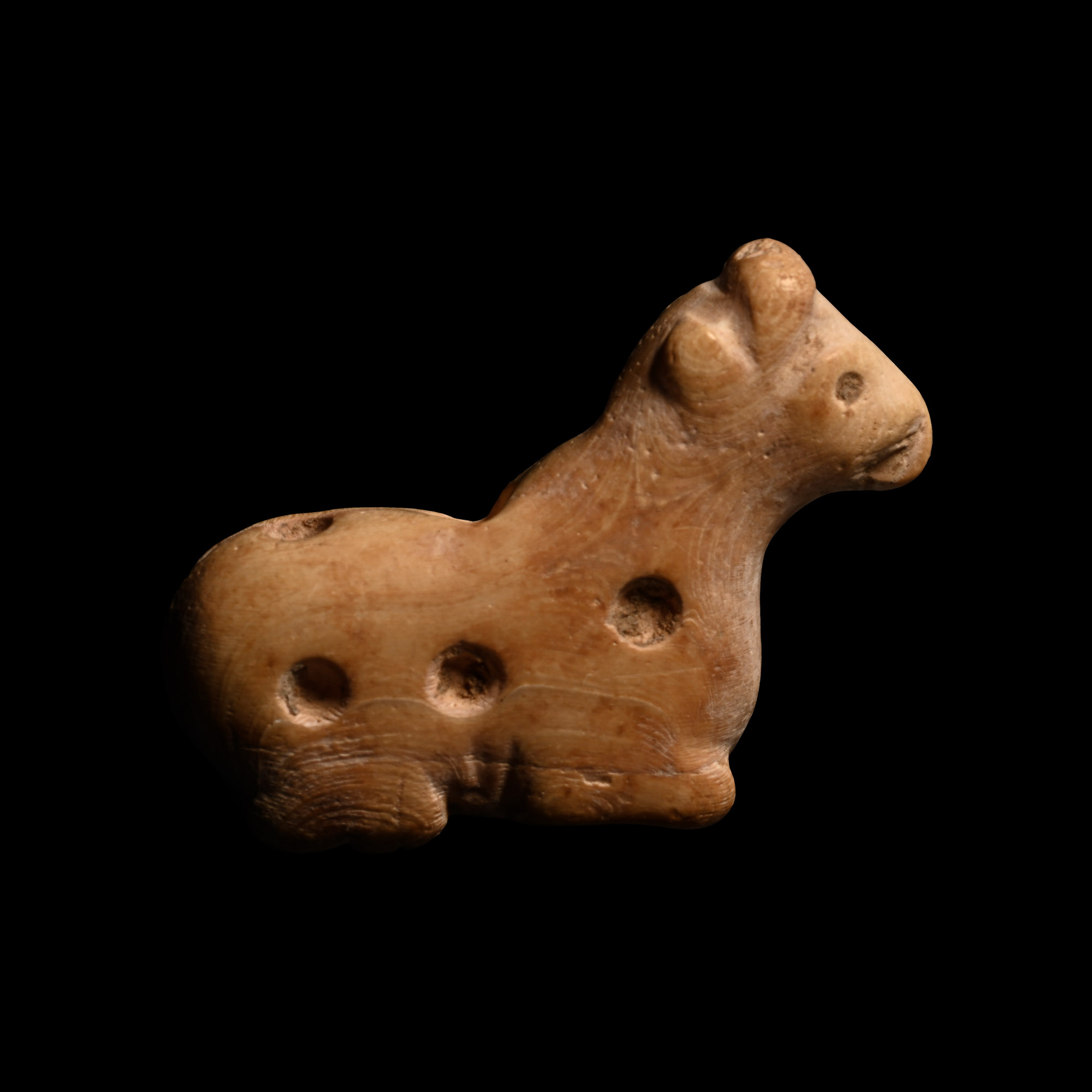
Jemdat Nasr Type Alabaster Animal Amulet

SUMERIAN, 3RD MILLENNIUM B.C.

1 in. (4.65 grams, 27 mm).

With vertical piercing at the shoulder, ring-and-dot motifs to the flanks.

Provenance

Collected from 1969-1999.
From the collection of the late Mr S.M., London, UK.

CONDITION
VETTING:

TimeLine Auctions follows a vetting process to ensure the authenticity and legality of all items, reinforcing our commitment to integrity and responsible trading. Each antiquity, antique, and coin lot undergoes thorough examination by a vetting committee of at least ten external specialists, professional trade association members, scientists, and archaeologists: Our Vetting Process


AUCTIONS:

TimeLine is a leading auction house specialising in antiquities, ancient art, collectables, natural history, coins, medals, and books. Our auctions offer museums, collectors, historians, and enthusiasts the opportunity to acquire unique and historically significant pieces.

LOT 1207

Jemdat Nasr Type Alabaster Animal Amulet

Sold for (Inc. bp): £260

Print page

RELATED LOTS
  • Sassanian Stag Gemstone
    Sassanian Stag Gemstone
    Circa 3rd-4th century A.D.

    Sold for (Inc. bp): £140

    Carnelian with intaglio recumbent stag with legs folded beneath the body, within a pelletted border; supplied with a museum-quality impression. 0.47 grams, 11 mm


    From the collection of a Swiss gentleman formed in Europe from 1970-1980s; thence by descent from the family in London.

    Lot Details

  • Neo-Assyrian Bronze Two-Piece Belt Buckle with Winged Genii
    Neo-Assyrian Bronze Two-Piece Belt Buckle with Winged Genii
    9th-7th century B.C.

    Sold for (Inc. bp): £1,690

    Comprising two halves decorated in chased low relief, each half with a standing winged figure dressed in long embroidered tunic, holding a stylised snake(?) in the raised hand, the other hand extended along the wing; the left side with three attachment hooks and the right side with a perforated plaque with two lines of holes providing the possibility of extending the belt. 191 grams total, 80 mm each

    Nice bronze patina with small scratches on the surface, antique deformations

    Acquired prior to 2000. British private collection of Mr D.M., London, UK. Accompanied by an academic report by Dr Raffaele D’Amato. This lot has been checked against the Interpol Database of stolen works of art and is accompanied by search certificate number no.11753-202365.

    The genii symbolised both protection and fertility - their role was to safeguard and replenish the ancient kingdom of Assyria and therefore, on a personal buckle, the wearer of the belt. The representation of divine genii upon a belt plaque provided a link with the king and with the royal family, and it could be that such a belt was worn by important dignitaries, although the structure of the belt and its composition exclude the possibility of military use.

    Lot Details

  • Fragmentary Jewish Magic Bowl with Aramaic Incantation Against Evil Spirits and Drawing of the Devil
    Fragmentary Jewish Magic Bowl with Aramaic Incantation Against Evil Spirits and Drawing of the Devil
    Circa 4th-8th century A.D.

    Sold for (Inc. bp): £260

    Broad terracotta bowl with extensive inked inscription and symbols to the inner face; repaired and partly disassembled. 382 grams total, 9-17 cm


    From an important family collection, London and Geneva.

    Aramaic incantation bowls are particular to the Sassanian period and have been found in regions of modern Iraq. These simple ceramic bowls, also known as magic bowls, each contain an Aramaic inscription, written in ink, which spirals from the centre. The bowls seem to have played an important part in domestic life. For example, during excavation in Nippur in 1889, one or more incantation bowls were found in each house together with domestic artefacts, most often in doorways or under floorboards in the corner of rooms. The bowls are predominantly apotropaic, and the inscriptions tend to protect their owners from misfortunes such as those faced in child-birth, illness and evil spirits.

    Lot Details

Stay up-to-date with the latest from TimeLine Auctions by joining our mailing list