
Loading, please wait...


LOT 1208
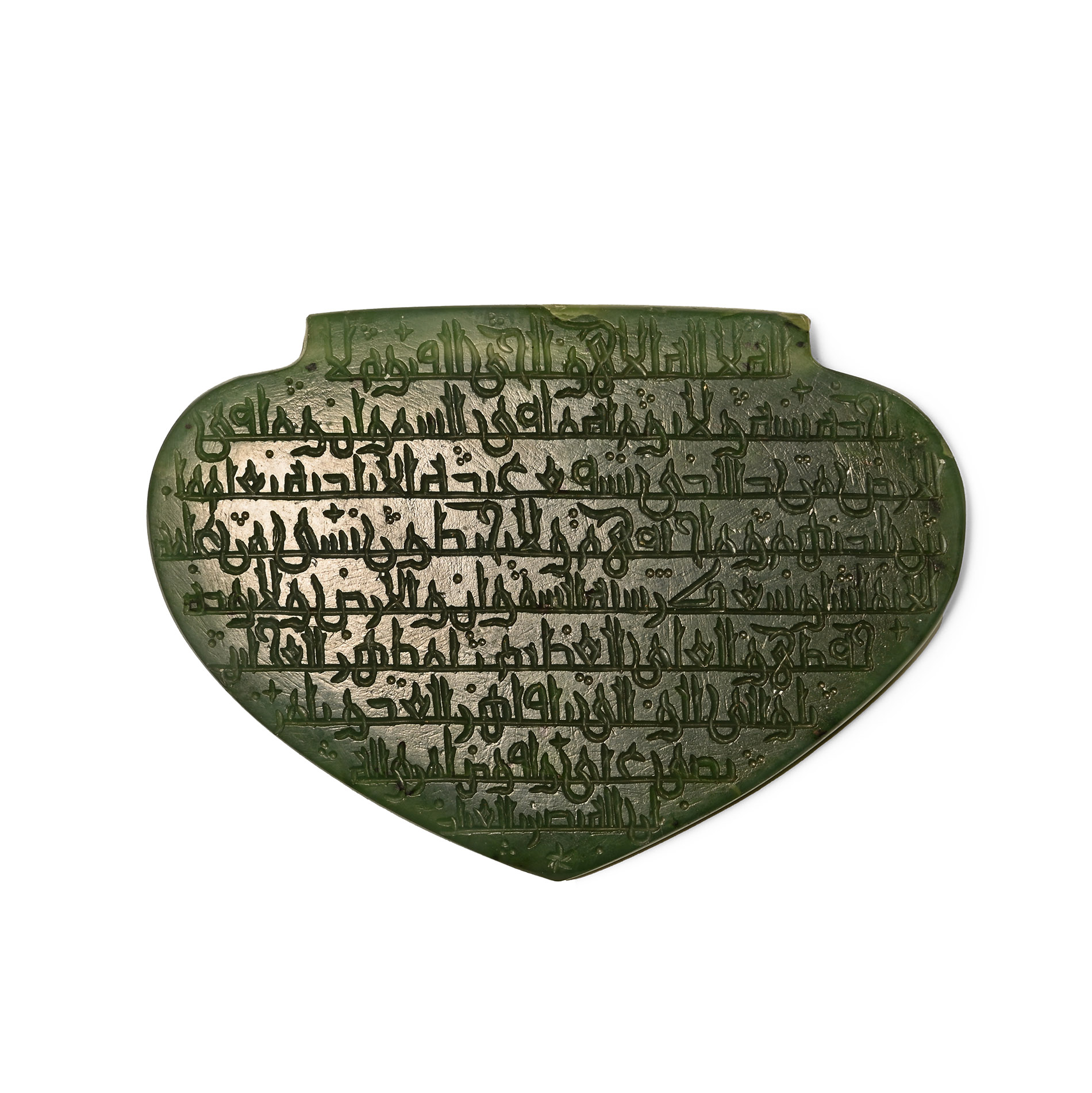
Jade Plaque with Inscription
PROBABLY INDIAN, 19TH-20TH CENTURY A.D.
2 7/8 in. (41 grams, 73 mm).
Heart-shaped plaque with long drilled suspension bar above, obverse with nine lines of maghribi script.
Provenancewith a London, UK gallery, 1971-early 2000s.
CONDITIONTimeLine Auctions follows a vetting process to ensure the authenticity and legality of all items, reinforcing our commitment to integrity and responsible trading. Each antiquity, antique, and coin lot undergoes thorough examination by a vetting committee of at least ten external specialists, professional trade association members, scientists, and archaeologists: Our Vetting Process
AUCTIONS:
TimeLine is a leading auction house specialising in antiquities, ancient art, collectables, natural history, coins, medals, and books. Our auctions offer museums, collectors, historians, and enthusiasts the opportunity to acquire unique and historically significant pieces.
-
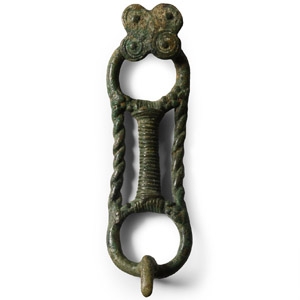
Amlash Bronze Zoomorphic Clasp
10th-6th century B.C.Sold for (Inc. bp): £52
Comprising two brings with a central wire-bound bar between and lateral twisted stringers; to one end a hook, to the other a knop formed as a quatrefoil. 39 grams, 90 mm
From a North Yorkshire, UK, private collection. Acquired from Adam Partridge Auctioneers, Macclesfield, UK. Property of Mr A.B., an American collector. -
.jpg)
Western Asiatic Pierced Stone Stamp Seal with Symbols
1st millennium B.C. or laterSold for (Inc. bp): £46
A polyhedral pyramid with cuboidal suspension black to apex; incised symbols to base. 27 grams, 36 mm
Ex Simmons Gallery, London E11, UK, in the 1990s. From a North London collection. -
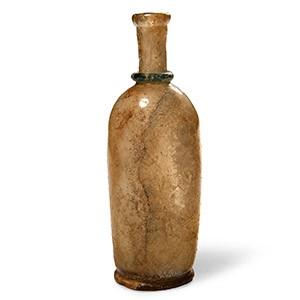
Western Asiatic Glass Bottle with Blue Trail
9th-10th century A.D.Estimate: £200 - 300 (+bp*)
Opening Bid: £90
Aqua glass with applied dark blue glass trail to foot and neck, everted rim. 27.2 grams, 93 mm
with a London, UK gallery, 1971-early 2000s.
