
Loading, please wait...
LOT 1553
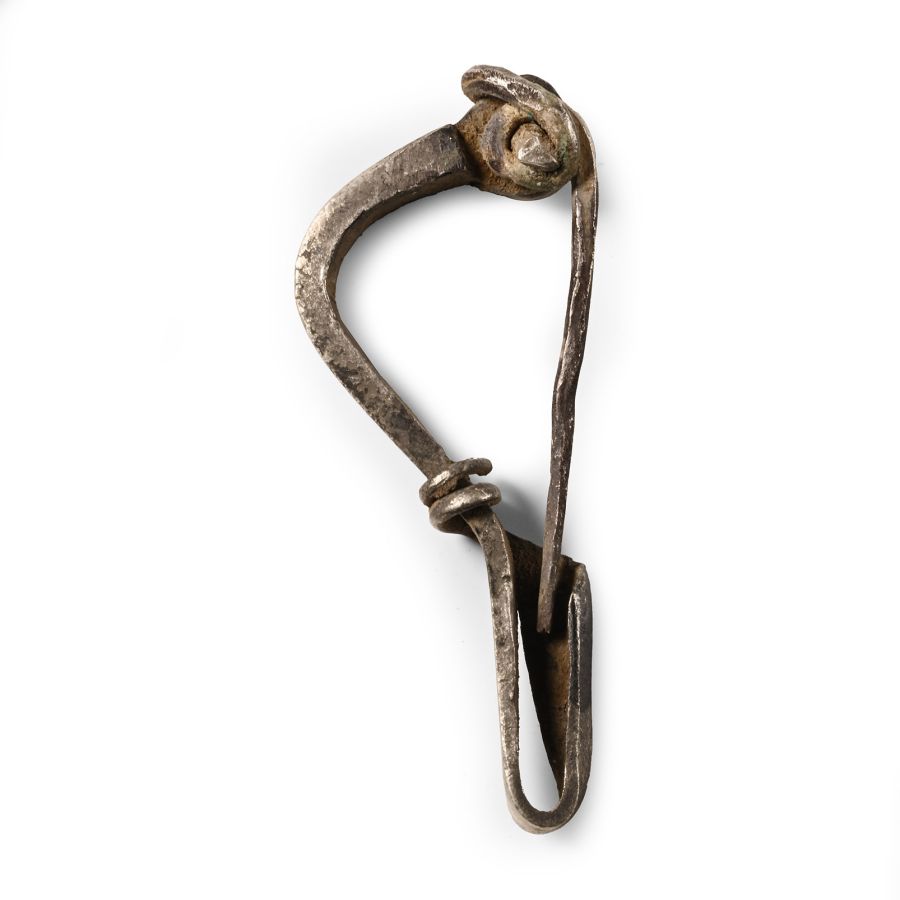
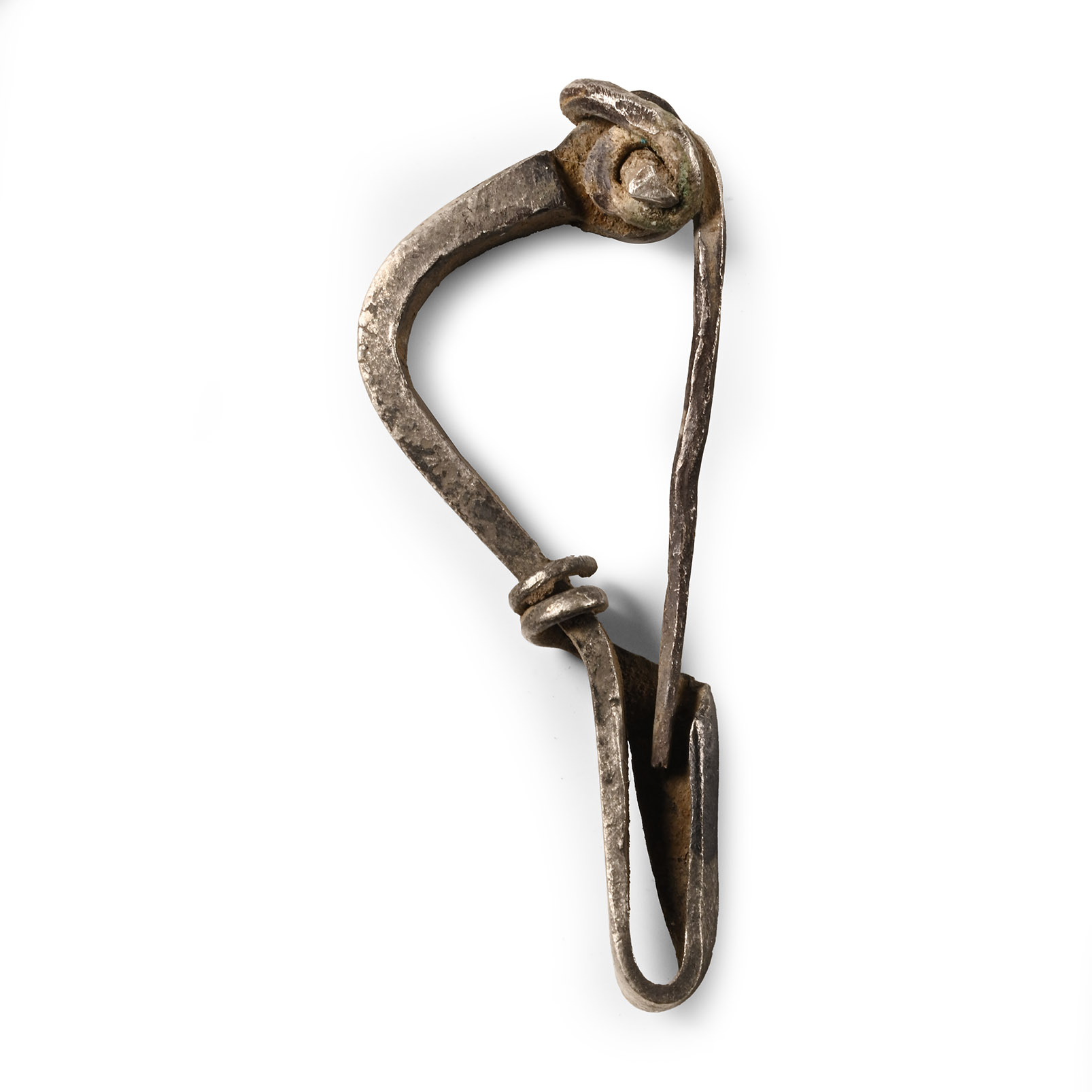
Iron Age Celtic Silver Bow Brooch
2ND CENTURY B.C.
1 1/2 in. (4.86 grams, 41 mm).
Bow brooch of La Tène type II with returned foot and simple coiled spring to the head, integral pin. [No Reserve]
ProvenanceEx German art market, 2000s.
Acquired from an EU collector living in London.
From the collection of Surrey, UK, gentleman.
Cf. Hattatt, R., Ancient and Romano-British Brooches, Sherborne, 1982, item 7, for type.
CONDITIONTimeLine Auctions follows a vetting process to ensure the authenticity and legality of all items, reinforcing our commitment to integrity and responsible trading. Each antiquity, antique, and coin lot undergoes thorough examination by a vetting committee of at least ten external specialists, professional trade association members, scientists, and archaeologists: Our Vetting Process
AUCTIONS:
TimeLine is a leading auction house specialising in antiquities, ancient art, collectables, natural history, coins, medals, and books. Our auctions offer museums, collectors, historians, and enthusiasts the opportunity to acquire unique and historically significant pieces.
-
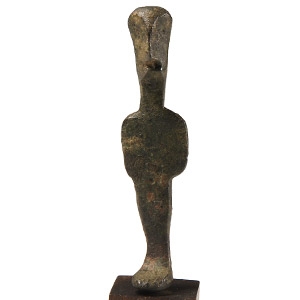
Iron Age Celtiberian Bronze Idol
Circa 4th century B.C.Sold for (Inc. bp): £312
Modelled with flat-section bdy, rounded head and feet, legs conjoined, impressed navel, carinated face; mounted on a custom-made stand with inscription 'Celtic Iberian Bronze idol / 500-400 B.C.'. 84 grams total, 10 cm including stand
From a collection acquired on the UK art market from various auction houses and collections mostly before 2000. From an important Cambridgeshire estate; thence by descent. -
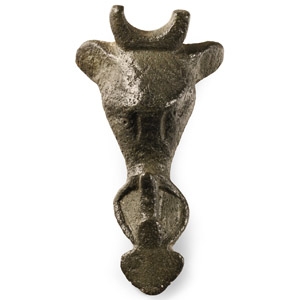
Iron Age Celtic Bronze Bull's Head Bowl Mount
1st century B.C.-1st century A.D.Sold for (Inc. bp): £59
With splayed ears and hatched brow, loop above the brow, pelta-shaped terminal. 20 grams, 48 mm
Found Cambridgeshire, UK in the 1980s. Property of a Kent lady collector. -
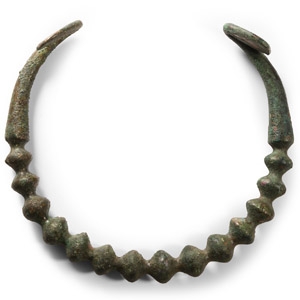
European Iron Age Celtic Bronze Torc
Circa 3rd-2nd century B.C.Sold for (Inc. bp): £234
The penannular body formed with graduated biconical bulbs, recurved tapering terminals. 275 grams, 14.5 cm
Ex old English collection. London art market, 1980s.
