
Loading, please wait...
LOT 1278
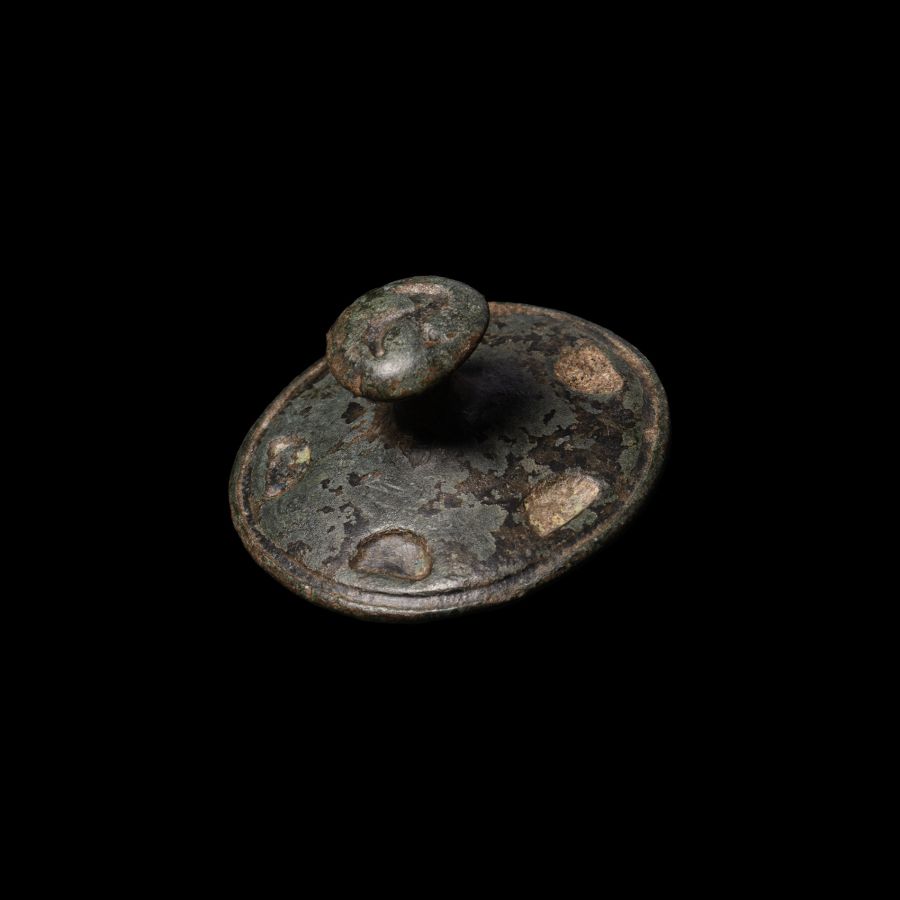
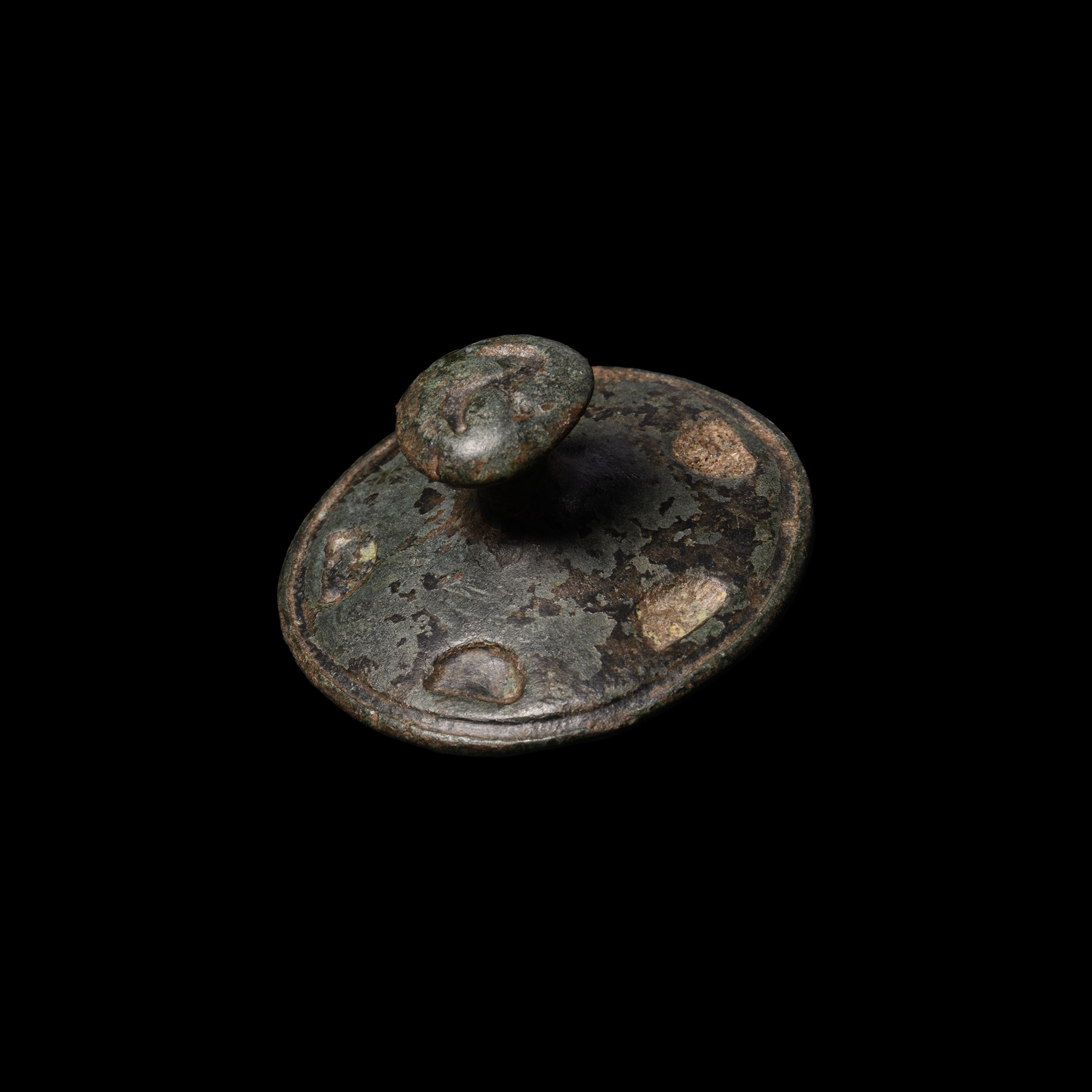
Iron Age Celtic Horse Harness Strap Distributor
2ND CENTURY B.C.-1ST CENTURY A.D.
1 5/8 in. (31.9 grams, 42 mm).
Four loops to the underside, five D-shaped radiating cells for enamel fill, central stud with triskele motif. [No Reserve]
ProvenanceAcquired London market, 1990s.
Ex property of a London, UK collector.
TimeLine Auctions follows a vetting process to ensure the authenticity and legality of all items, reinforcing our commitment to integrity and responsible trading. Each antiquity, antique, and coin lot undergoes thorough examination by a vetting committee of at least ten external specialists, professional trade association members, scientists, and archaeologists: Our Vetting Process
AUCTIONS:
TimeLine is a leading auction house specialising in antiquities, ancient art, collectables, natural history, coins, medals, and books. Our auctions offer museums, collectors, historians, and enthusiasts the opportunity to acquire unique and historically significant pieces.
-
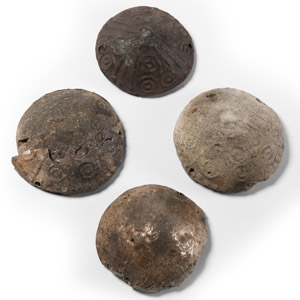
Iron Age Celtic Silver Clad Ceramic Boss Group
2nd century B.C. or laterSold for (Inc. bp): £26
Each conical in shape and pierced for attachment, three with near complete or fragmentary remains of sheet-silver cladding displaying repoussé crosses, linear bands and concentric roundels, together with a plain example; one ceramic boss without cladding displaying similar motifs in the clay. 55 grams total, 36-40 mm
Acquired on the German art market around 2000. From the collection of a Surrey, UK, gentleman. -
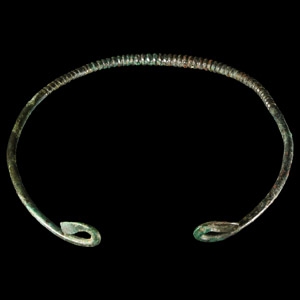
European Iron Age Celtic Bronze Torc
Circa 3rd-2nd century B.C.Sold for (Inc. bp): £416
The penannular body with recurved terminals and squat biconical ribs to the lower body. 56 grams, 13.5 cm
UK collection, early 1990s and before. Acquired on the UK art market since the early 2000s. From a private collection, Lancashire, UK. -
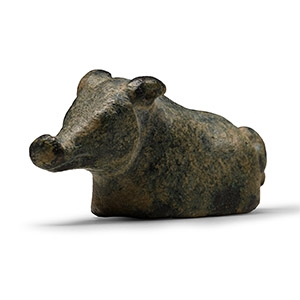
Iron Age Celtic Bronze Boar
1st century B.C.-1st century A.D.Sold for (Inc. bp): £780
Likely a finial or other fitting, formed as the upper body of a boar with semi-naturalistic anatomical detailing; recess to base. 57 grams, 54 mm
‘The Ancient Menagerie Collection’ formerly the property of a Cambridgeshire lady, collected since the 1990s and acquired from auctions and dealers throughout Europe and the USA, now ex London collection.
