
Loading, please wait...
LOT 1281
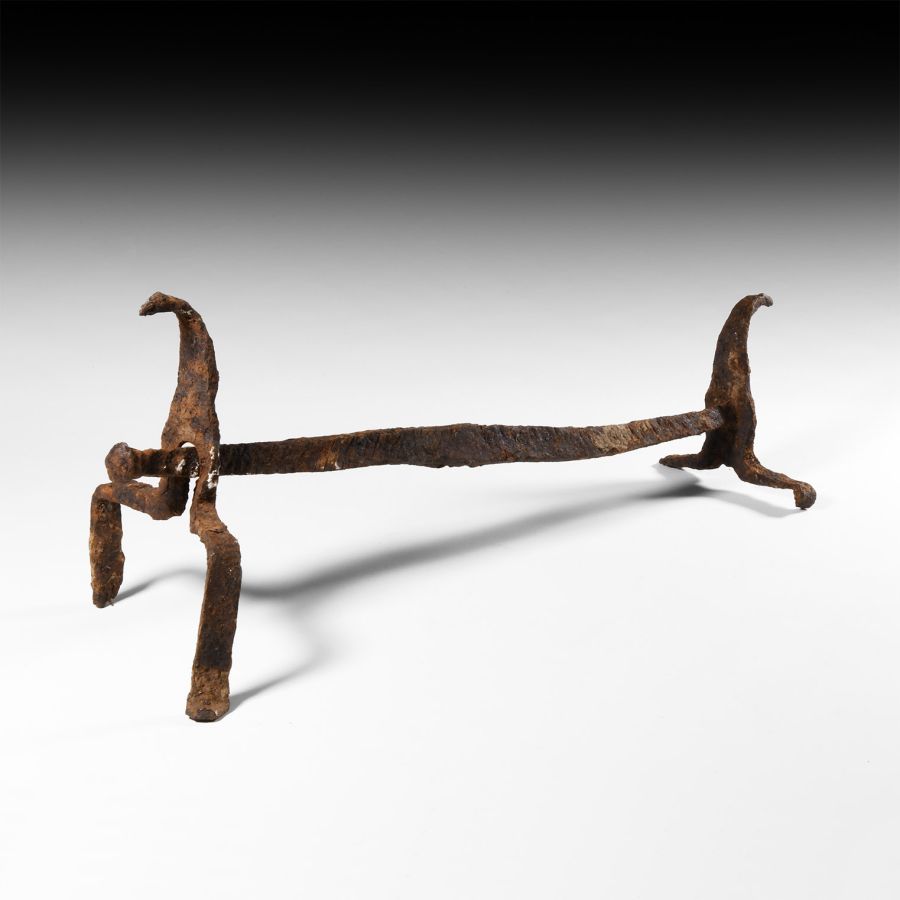
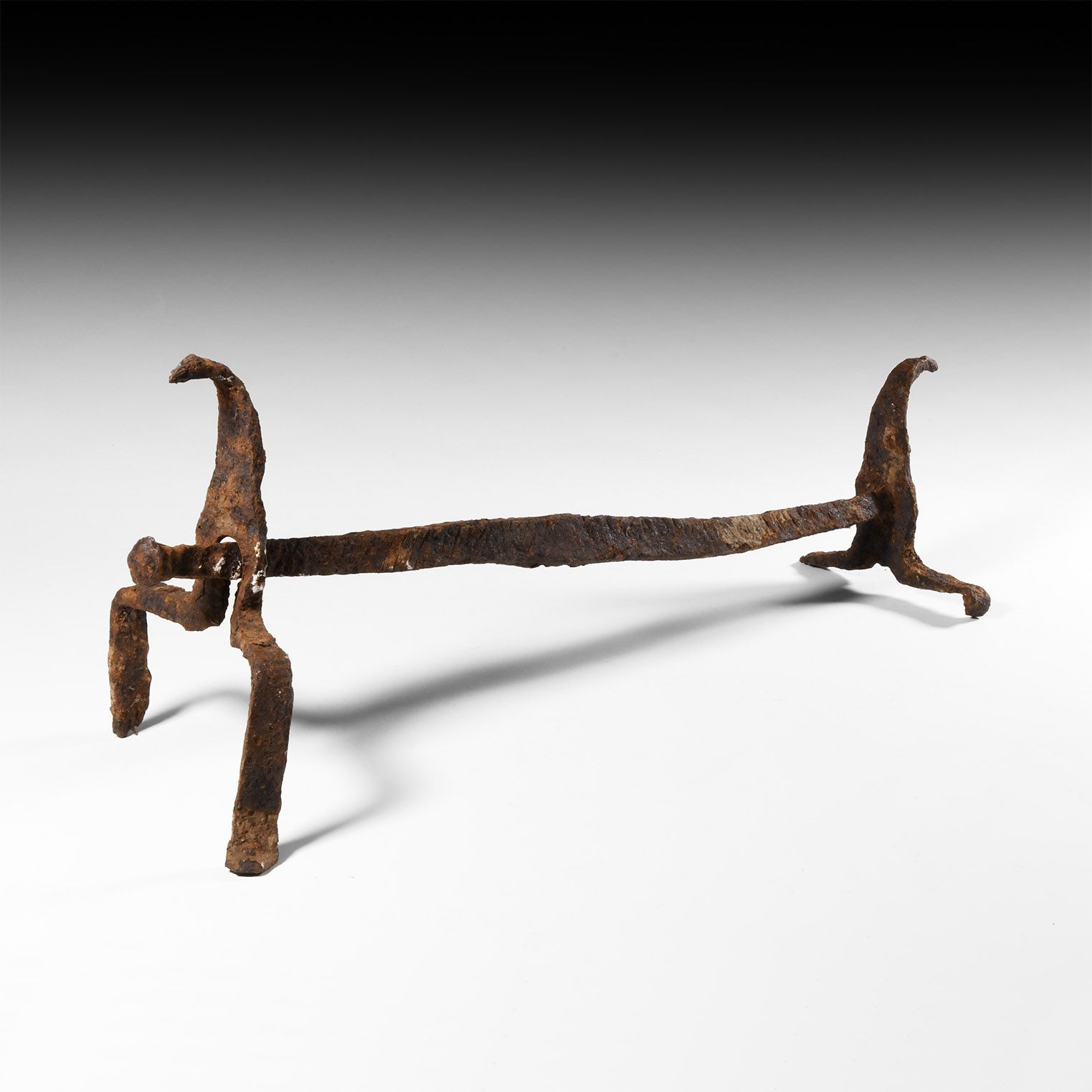
Iron Age Celtic Firedog
3RD CENTURY B.C.-2ND CENTURY A.D.
19 3/4 in. (1.6 kg, 50 cm).
Comprising a square-section iron bar with tapering ends, separate finials each with two angled legs and a curved upper arm. [No Reserve]
ProvenanceAcquired on the European art market in the 1990s.
Property of a Suffolk collector.
TimeLine Auctions follows a vetting process to ensure the authenticity and legality of all items, reinforcing our commitment to integrity and responsible trading. Each antiquity, antique, and coin lot undergoes thorough examination by a vetting committee of at least ten external specialists, professional trade association members, scientists, and archaeologists: Our Vetting Process
AUCTIONS:
TimeLine is a leading auction house specialising in antiquities, ancient art, collectables, natural history, coins, medals, and books. Our auctions offer museums, collectors, historians, and enthusiasts the opportunity to acquire unique and historically significant pieces.
-
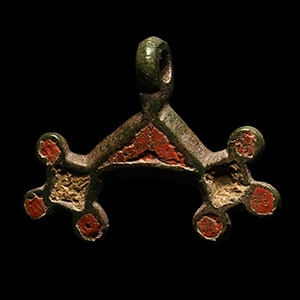
Iron Age Enamelled Bronze Horse Harness Pendant
Circa 2nd century A.D.Sold for (Inc. bp): £117
Comprising two discs with three radiating lobes, red and yellow enamel infill, connected by a red enamelled triangular plaque to a thick suspension loop. 5.94 grams, 35 mm
Ex private collection, UK; formed in the 1980s. -
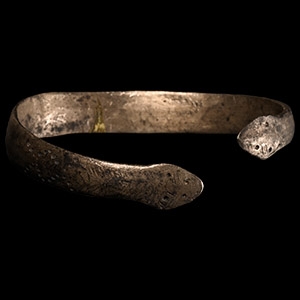
Iron Age Celtic Silver Snake Bracelet
1st century B.C.-1st century A.D.Sold for (Inc. bp): £312
Composed of a penannular hoop with convex outer face, terminals formed as stylised snake heads, with incised eye and scale detailing to the terminals and shoulders. 18.4 grams, 57 mm
Acquired on the EU art market around 2000. From the collection of a North American gentleman. -
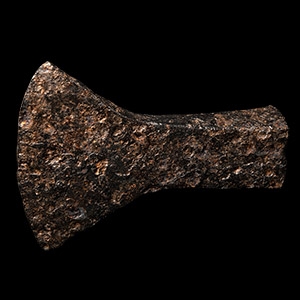
Iron Age Celtic La Tene Socketted Axe
Circa 4th century B.C.Sold for (Inc. bp): £65
Forged in iron with folded rectangular-section socket and flared crescent-edge blade. 303 grams, 11.5 cm
Formerly with Hermann Historica, Germany. Ex property of a UK gentleman.
