
Loading, please wait...
LOT 0150
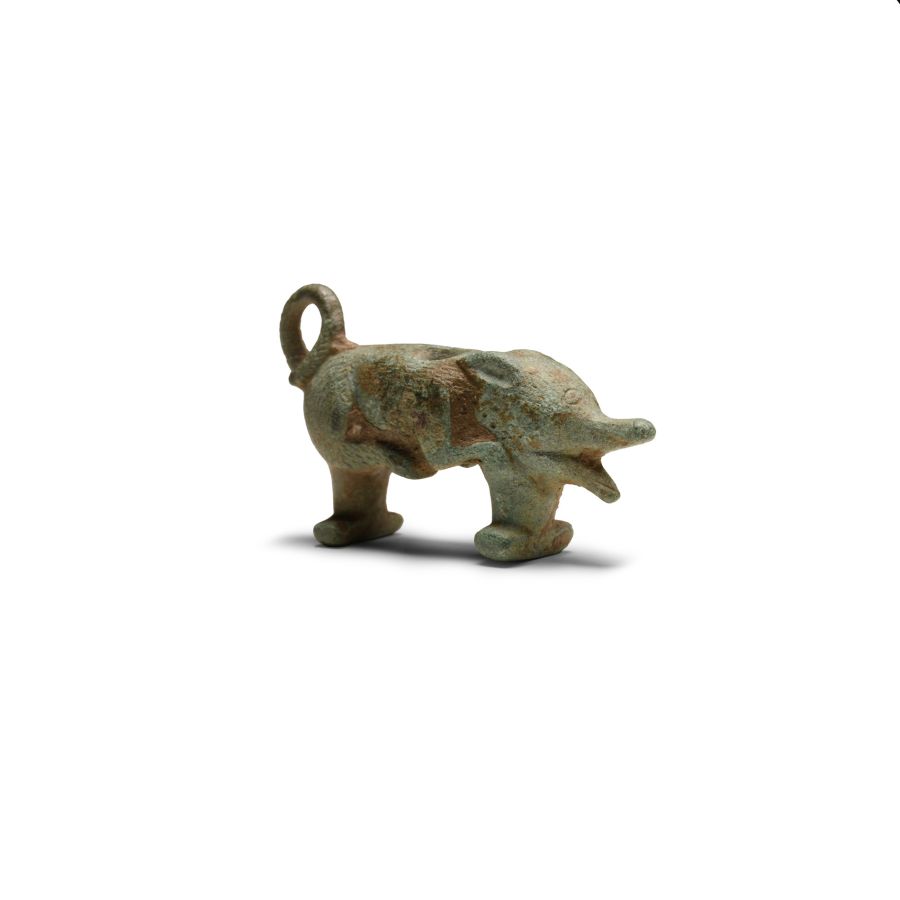
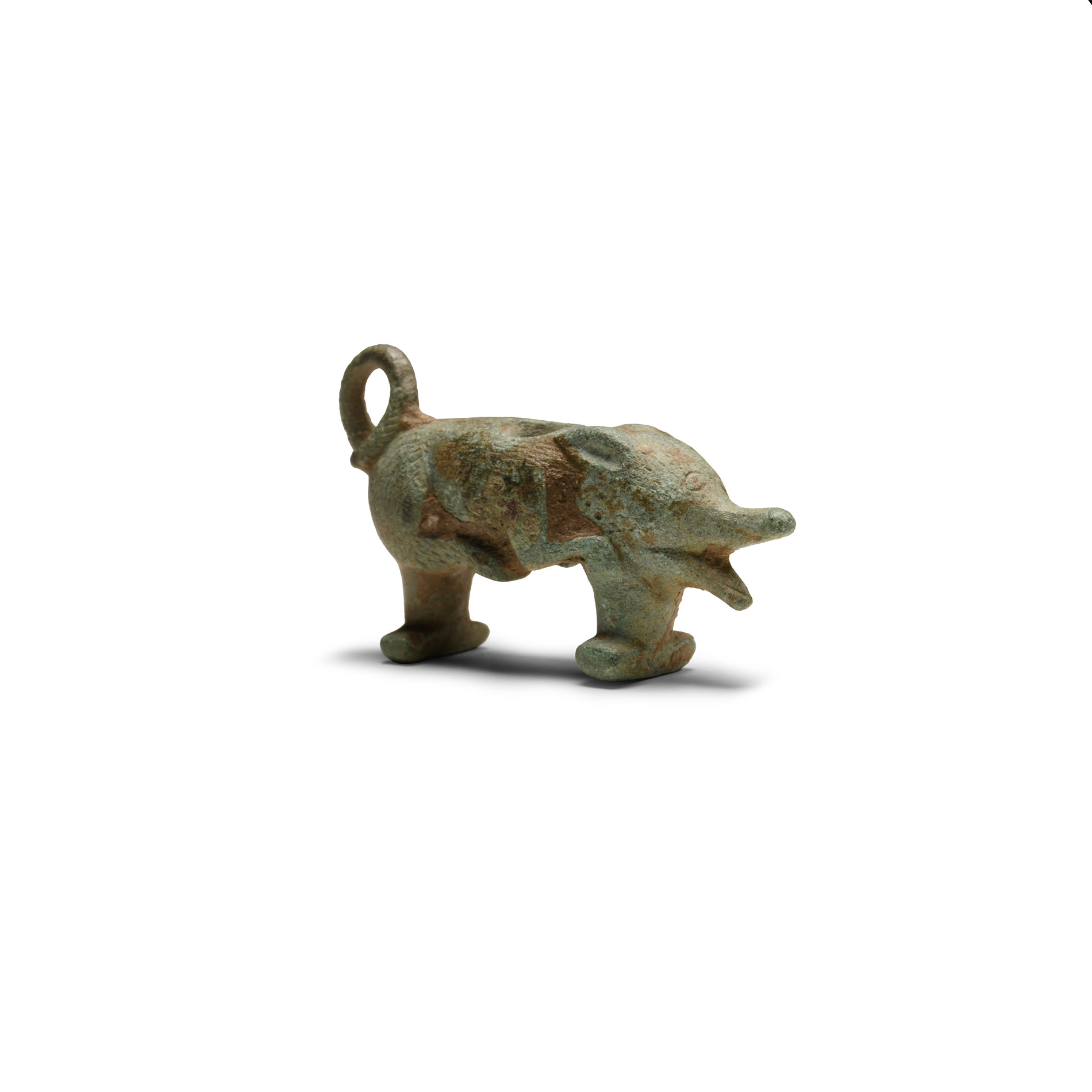
Iron Age Celtic Bronze Boar
1ST CENTURY B.C.-1ST CENTURY A.D.
1 3/4 in. (27.7 grams, 43 mm).
Modelled couchant or running on two inverted T-shaped mounting lugs, curled tail forming a suspension loop, circular socket to back, stylised detailing to the coat and facial features.
Provenance‘The Ancient Menagerie Collection’ formerly the property of a Cambridgeshire lady, collected since the 1990s and acquired from auctions and dealers throughout Europe and the USA, now ex London collection.
LiteratureCf. Foster, J., Bronze Boar Figurines In Iron Age And Roman Britain, British Archaeological Report 39, 1977, pl.X, for similar.
CONDITIONTimeLine Auctions follows a vetting process to ensure the authenticity and legality of all items, reinforcing our commitment to integrity and responsible trading. Each antiquity, antique, and coin lot undergoes thorough examination by a vetting committee of at least ten external specialists, professional trade association members, scientists, and archaeologists: Our Vetting Process
AUCTIONS:
TimeLine is a leading auction house specialising in antiquities, ancient art, collectables, natural history, coins, medals, and books. Our auctions offer museums, collectors, historians, and enthusiasts the opportunity to acquire unique and historically significant pieces.
LOT 0150
Iron Age Celtic Bronze Boar
Estimate £500 - 700€580 - 810 (for guidance only)$680 - 950 (for guidance only)
-
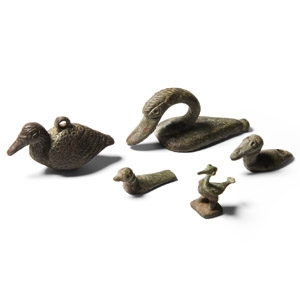
Iron Age Celtic Bronze Bird Collection
1st century B.C.-1st century A.D.Estimate: £600 - 800 (+bp*)
Opening Bid: £333
Comprising: a plaque with curved head of a swan; bird standing on a square base; a duck or other bird with suspension loop to back; two birds with closed wings, shown facing; most formed as finials, fittings or other. 130 grams total, 23-65 mm
‘The Ancient Menagerie Collection’ formerly the property of a Cambridgeshire lady, collected since the 1990s and acquired from auctions and dealers throughout Europe and the USA, now ex London collection. -
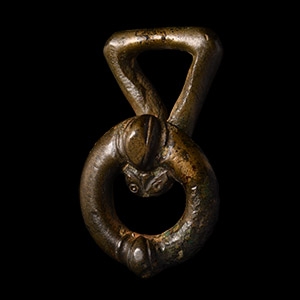
Iron Age British Celtic Corieltauvi Bronze Fastener with Hidden Face
1st century A.D.Estimate: £300 - 400 (‡+bp*)
Opening Bid: £150
Composed of an openwork discoid head and triangular lug, stylised. 12.4 grams, 34 mm
Part of the Sutton-on-Trent 'treasure'; found Sutton-on-Trent, Nottinghamshire, UK. Ex Chris Rudd collection, Norfolk, UK; formed since the 1970s. Collection number CE62.
Corieltauvi coins are teeming with such hidden faces, though they are often more difficult to discern than this miniature facial masterpiece. On 19 May 2009 Chris Rudd received images of a Celtic tankard handle and other objects that had been found inside the remains of a late Iron Age or early Romano-British cauldron or bucket that had been unearthed on a farm near Sutton-on-Trent, Nottinghamshire. Recognising the significance of the hoard, he advised that it should be reported to the local PAS finds liaison officer, but also added that if a museum did not acquire the hoard, that he would be keen to buy it. The hoard was reported to FLO Rachel Atherton and then examined at the British Museum. Two years later Chris was fortunate enough to be given the opportunity to purchase the hoard for his own collection, including the 'jewel' in the bucket - the Sutton-on-Trent Tankard Handle. -
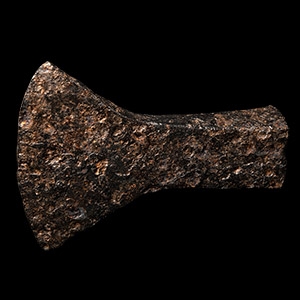
Iron Age Celtic La Tene Socketted Axe
Circa 4th century B.C.Sold for (Inc. bp): £65
Forged in iron with folded rectangular-section socket and flared crescent-edge blade. 303 grams, 11.5 cm
Formerly with Hermann Historica, Germany. Ex property of a UK gentleman.
