
Loading, please wait...
LOT 2304
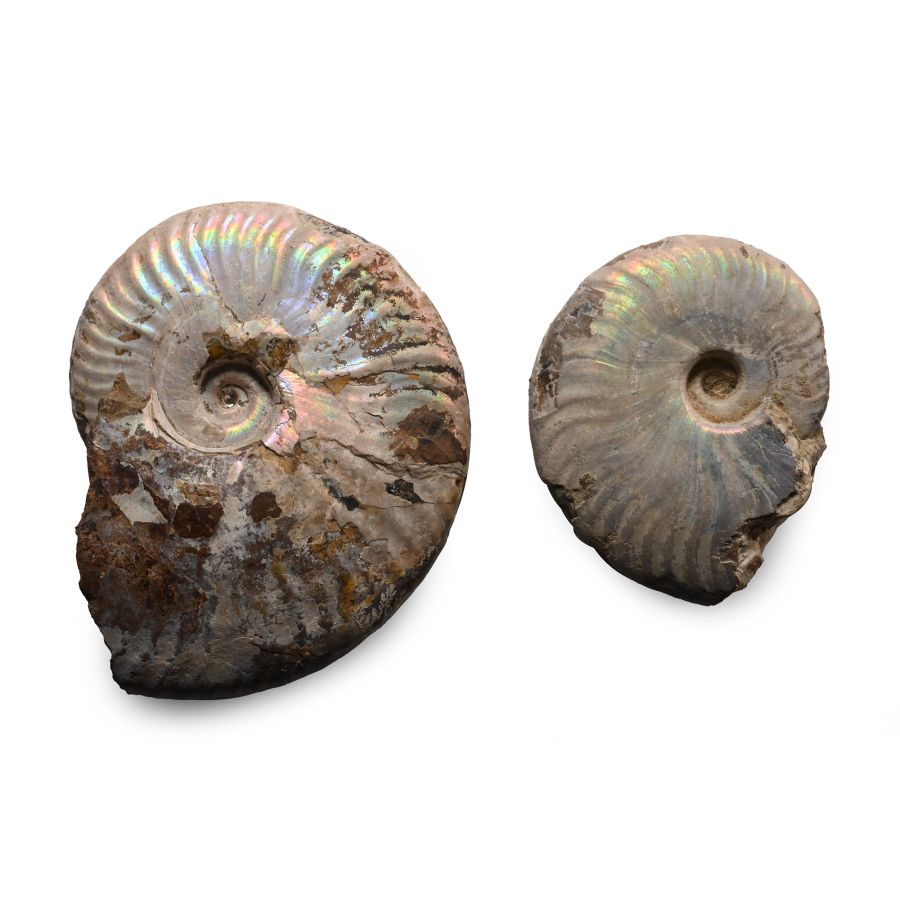
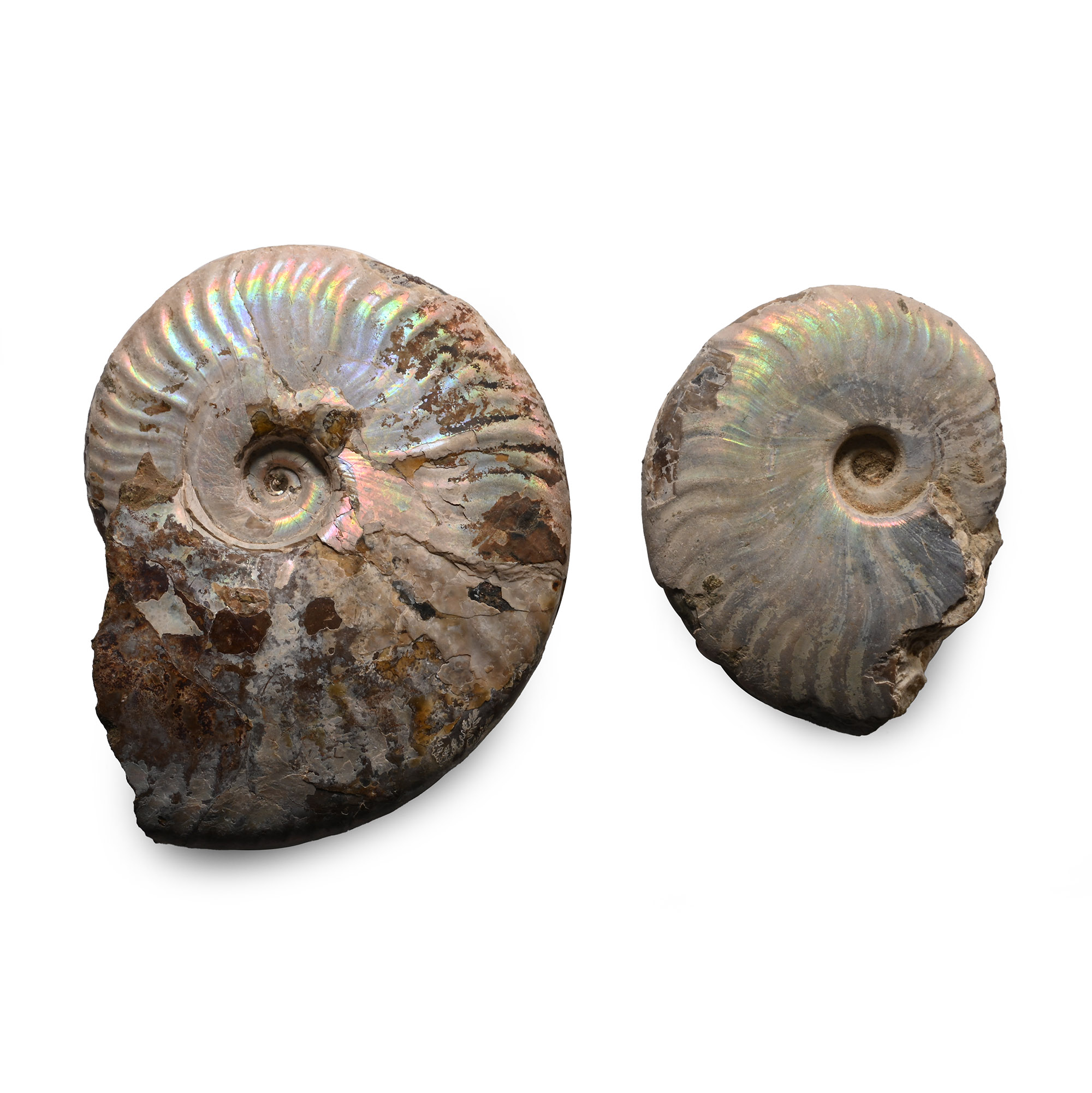
Iridescent Fossil Cleoniceras Ammonite Group
CRETACEOUS PERIOD, CIRCA 145-66 MILLION YEARS B.P.
2 1/2 - 3 1/2 in. (287 grams total, 66-90 mm).
A pair of naturally iridescent Cleoniceras besairiei ammonites. [2, No Reserve]
ProvenanceFrom Madagascar.
From a Lincolnshire, UK, collection.
TimeLine Auctions follows a vetting process to ensure the authenticity and legality of all items, reinforcing our commitment to integrity and responsible trading. Each antiquity, antique, and coin lot undergoes thorough examination by a vetting committee of at least ten external specialists, professional trade association members, scientists, and archaeologists: Our Vetting Process
AUCTIONS:
TimeLine is a leading auction house specialising in antiquities, ancient art, collectables, natural history, coins, medals, and books. Our auctions offer museums, collectors, historians, and enthusiasts the opportunity to acquire unique and historically significant pieces.
-
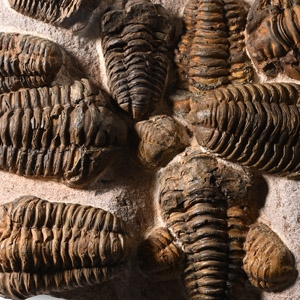
Fossil Flexycalymene Trilobite Cluster
Devonian Period, circa 417-354 million years B.P.Sold for (Inc. bp): £234
A mortality plate showing a cluster of Flexicalymene sp. trilobites. 2.53 kg, 27 cm
From Atlas Mountains, Morocco, North Africa. From a Cambridgeshire, UK, collection. -
![Complete Unopened Discovery Agate Crystal Geode Collection [3]](https://timelineauctions.com/upload/images/items/small/227978-s.jpg)
Complete Unopened 'Discovery' Agate Crystal Geode Collection [3]
Sold for (Inc. bp): £7
A trio of rounded geodes, each unopened. 518 grams total, 49-69 mm
From Brazil. Ex Mineral Imports, London, UK. Gregory, Bottley & Lloyd (Gregory's), Harwich, UK. -
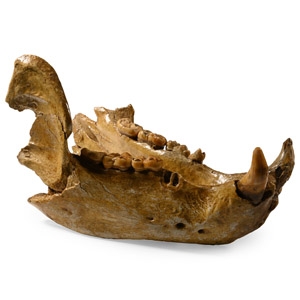
Extinct Cave Bear Lower Jaw
Pleistocene Period, circa 250,000-24,000 B.P.Sold for (Inc. bp): £572
Displaying both sides of the Ursus spelaeus lower jaw with molars and lower canines present; some restoration. 826 grams, 27 cm
From the private collection of a London gentleman, from his grandfather's collection formed before the early 1970s.
