
Loading, please wait...
LOT 2097
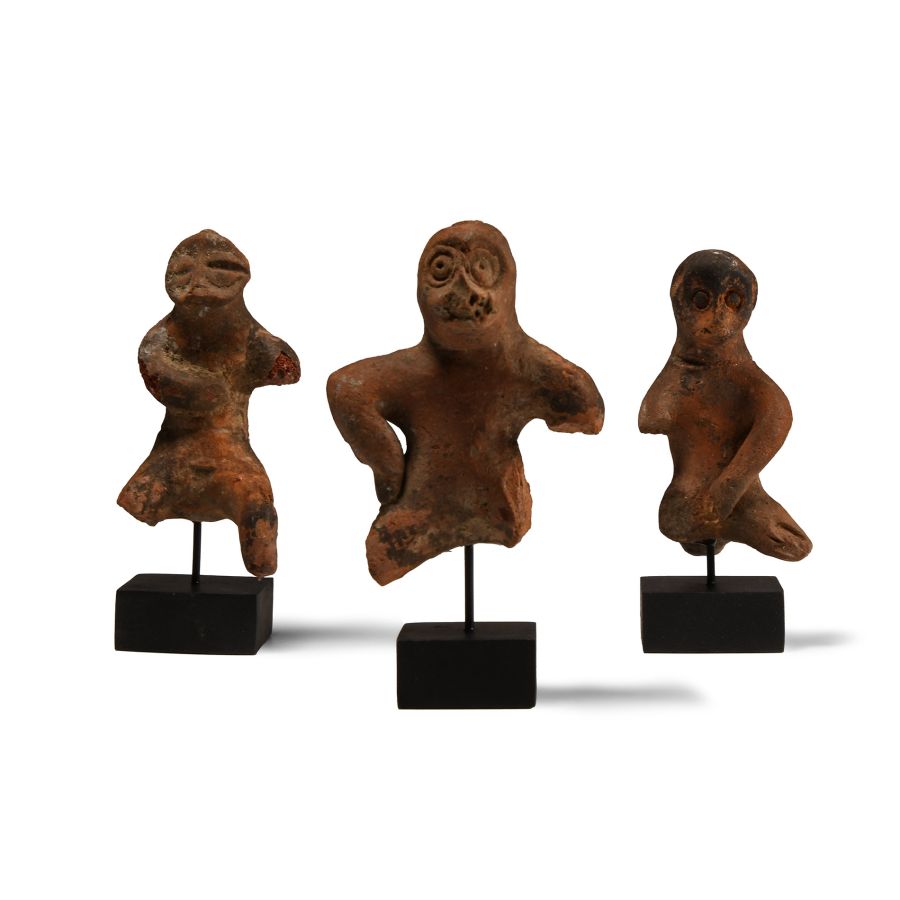
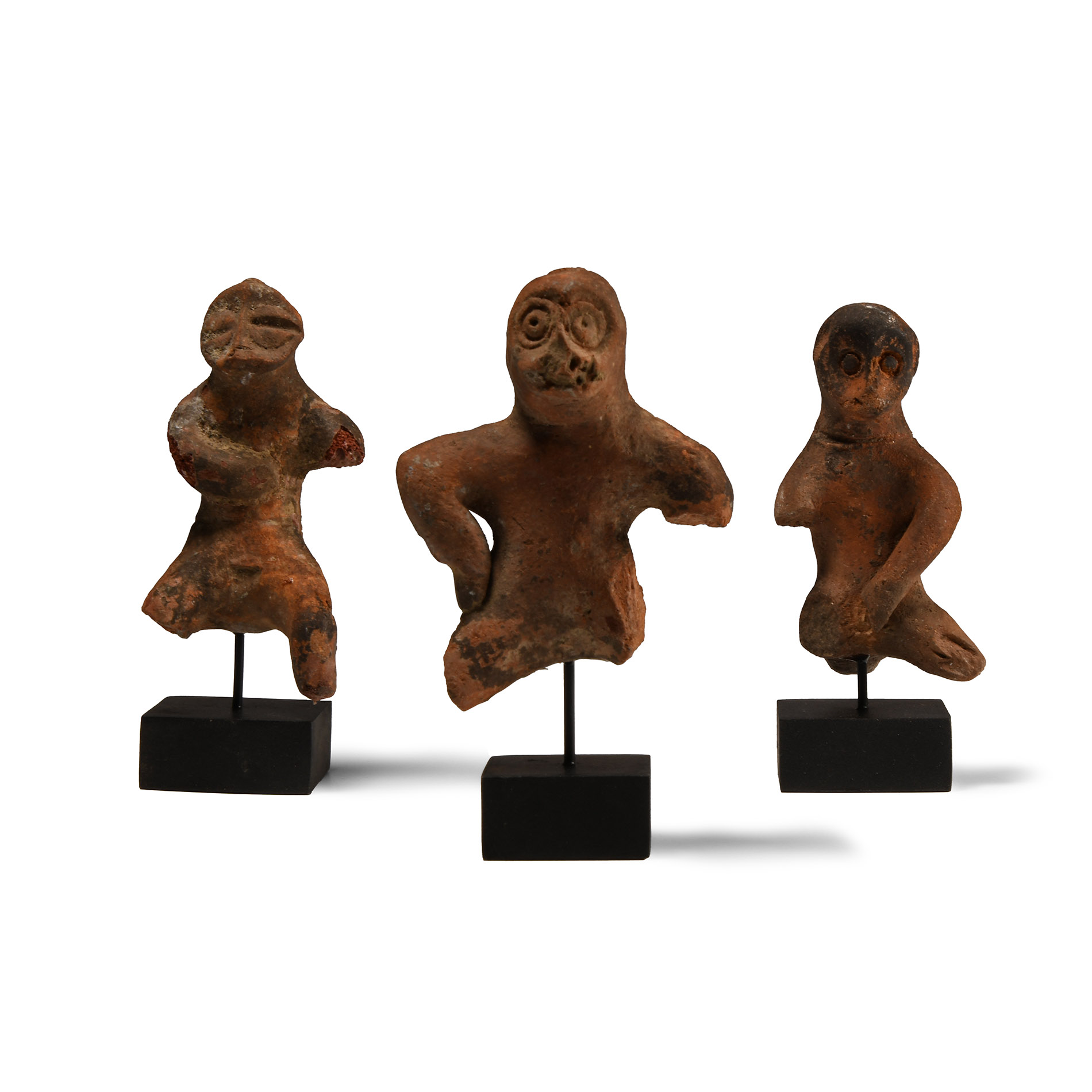
Indus Valley Terracotta Figure Group
2ND MILLENNIUM B.C.
4 - 4 1/8 in. (247 grams total, 9.9-10.4 cm including stand).
Group of three simians with exaggerated facial features, each with a stub tail; each mounted on a custom-made display stand. [No Reserve]
ProvenanceFrom a collection acquired on the UK art market from various auction houses and collections mostly before 2000.
From an important Cambridgeshire estate; thence by descent.
TimeLine Auctions follows a vetting process to ensure the authenticity and legality of all items, reinforcing our commitment to integrity and responsible trading. Each antiquity, antique, and coin lot undergoes thorough examination by a vetting committee of at least ten external specialists, professional trade association members, scientists, and archaeologists: Our Vetting Process
AUCTIONS:
TimeLine is a leading auction house specialising in antiquities, ancient art, collectables, natural history, coins, medals, and books. Our auctions offer museums, collectors, historians, and enthusiasts the opportunity to acquire unique and historically significant pieces.
-
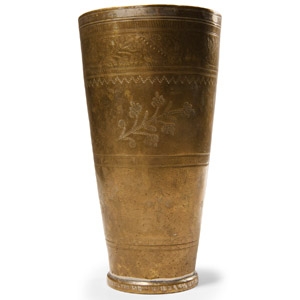
Indian Benares Brass Embossed Vessel
Circa 1890 A.D.Sold for (Inc. bp): £39
Funicular in profile with thick base, horizontal bands of punched fronds, hatched bands, pointillé leaves and other motifs; white metal rings to mouth and base. 489 grams, 17.5 cm
Acquired from the UK art market. Private Scottish collection. -
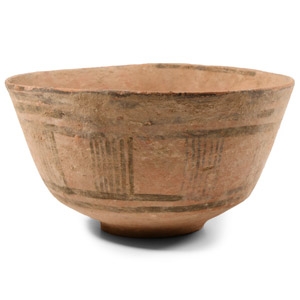
Indus Valley Painted Terracotta Jar
3rd-2nd millennium B.C.Sold for (Inc. bp): £33
With carinated profile and flared rim; painted band of geometric shapes reserved on a painted field to the shoulder. 168 grams, 12 cm wide
Acquired 1990s-2000s. From the late David Gold (d.2015) collection of pottery.
David Gold and his brother were famous for setting up the first clothes shop in Carnaby Street and dressed the famous in the swinging 1960s, making Carnaby Street famous. -
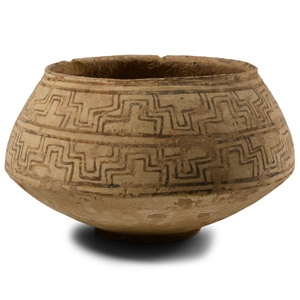
Large Indus Valley Terracotta Jar with Meander Pattern
3rd-2nd millennium B.C.Sold for (Inc. bp): £247
Biconvex in profile with slightly stepped rim, basal ring; to the shoulder, a dense pattern of interlocking steps or meander in two rows. 532 grams, 19 cm wide
Acquired from Alexander Gotz, London, UK. Ex M Scyoyen collection, Norway, collection no.20.
