
Loading, please wait...
LOT 1784
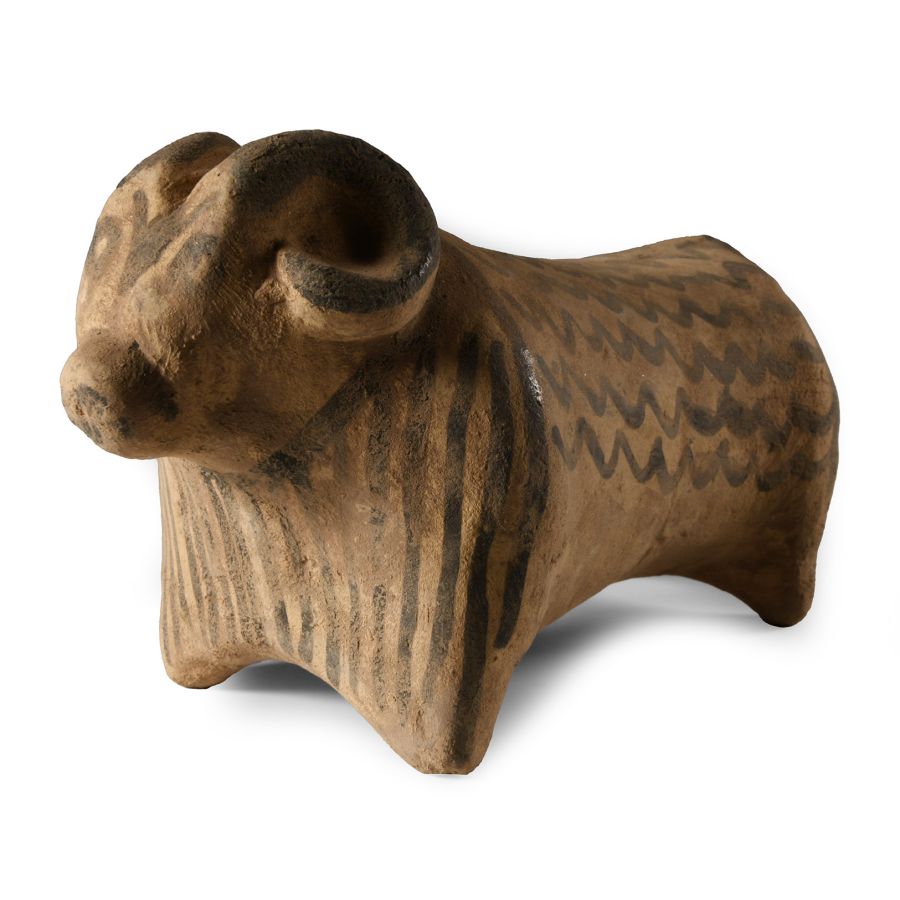
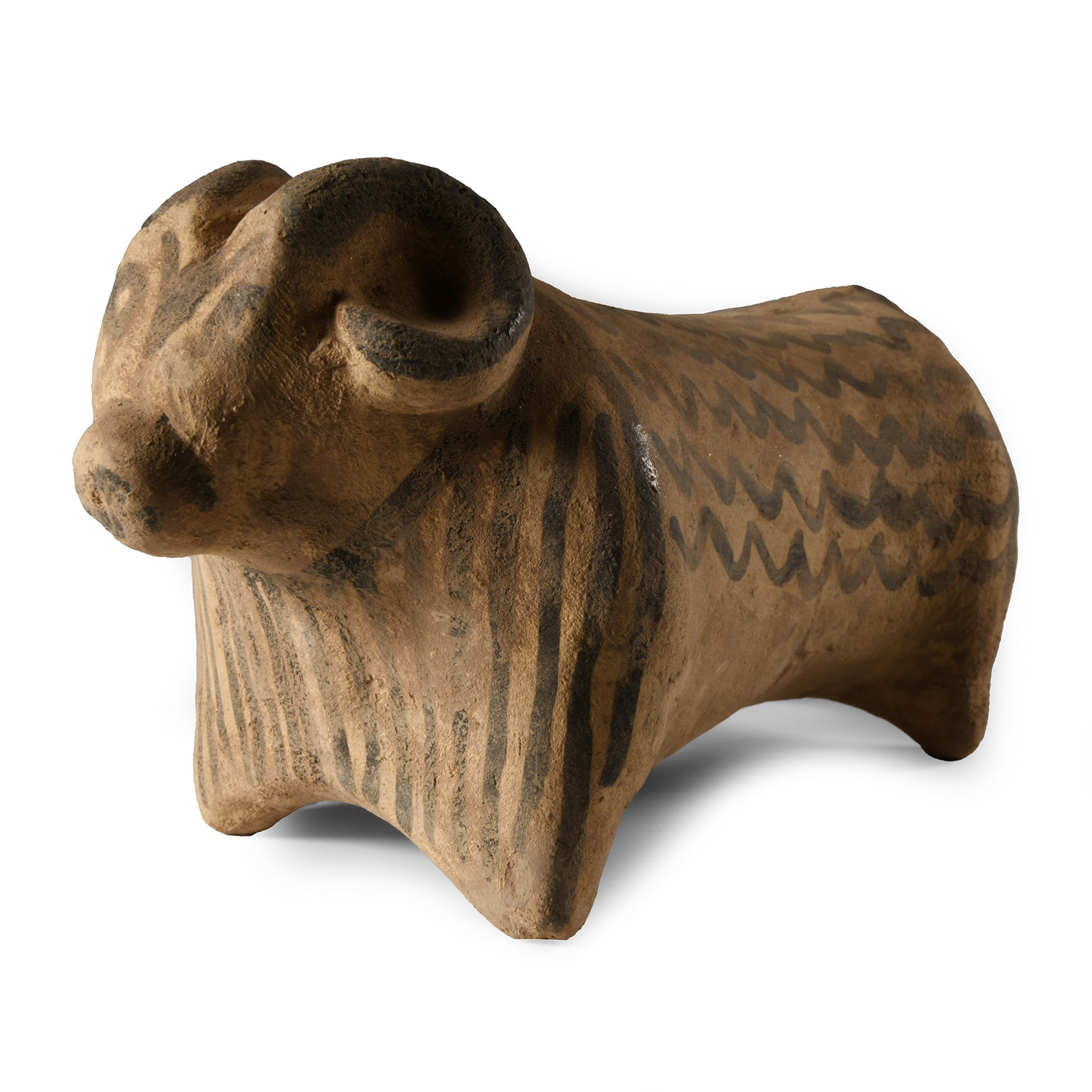
Indus Valley Style Terracotta Ram
20TH CENTURY A.D.
5 3/8 in. (363 grams, 13.7 cm).
With tapering tubular body, moulded coiled horns, painted detailing. [No Reserve]
ProvenanceAcquired on the London art market in the 1990s.
CONDITIONTimeLine Auctions follows a vetting process to ensure the authenticity and legality of all items, reinforcing our commitment to integrity and responsible trading. Each antiquity, antique, and coin lot undergoes thorough examination by a vetting committee of at least ten external specialists, professional trade association members, scientists, and archaeologists: Our Vetting Process
AUCTIONS:
TimeLine is a leading auction house specialising in antiquities, ancient art, collectables, natural history, coins, medals, and books. Our auctions offer museums, collectors, historians, and enthusiasts the opportunity to acquire unique and historically significant pieces.
-
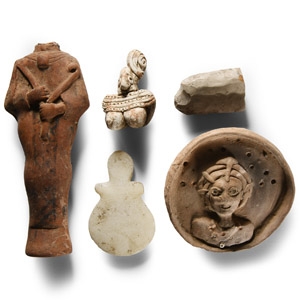
Western Asiatic Style Artefact Collection
20th century A.D.Sold for (Inc. bp): £20
Including a ceramic portrait disc, shabti and other items; after the antique. 340 grams total, 4.9-14.5 cm
Acquired on the London, UK, art market in the 1990s. From a gentleman's private collection. -
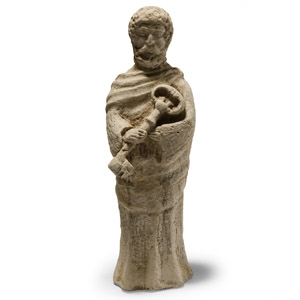
Limestone Statue of Saint Peter
20th century A.D.Sold for (Inc. bp): £85
Modelled in the round standing erect in floor-length robe and holding an oversized key in his right hand. 668 grams, 21.3 cm
From a collection acquired on the UK art market from various auction houses and collections mostly before 2000. From an important Cambridgeshire estate; thence by descent. -
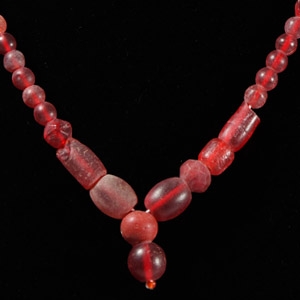
Mixed Red Bead Necklace
20th century A.D.Sold for (Inc. bp): £26
Restrung designer necklace with graduated spherical, tubular and biconvex glass beads. 17.2 grams, 42 cm
Acquired on the London, UK, art market in the 1990s. Ex London, UK, gallery.
