
Loading, please wait...
LOT 2089
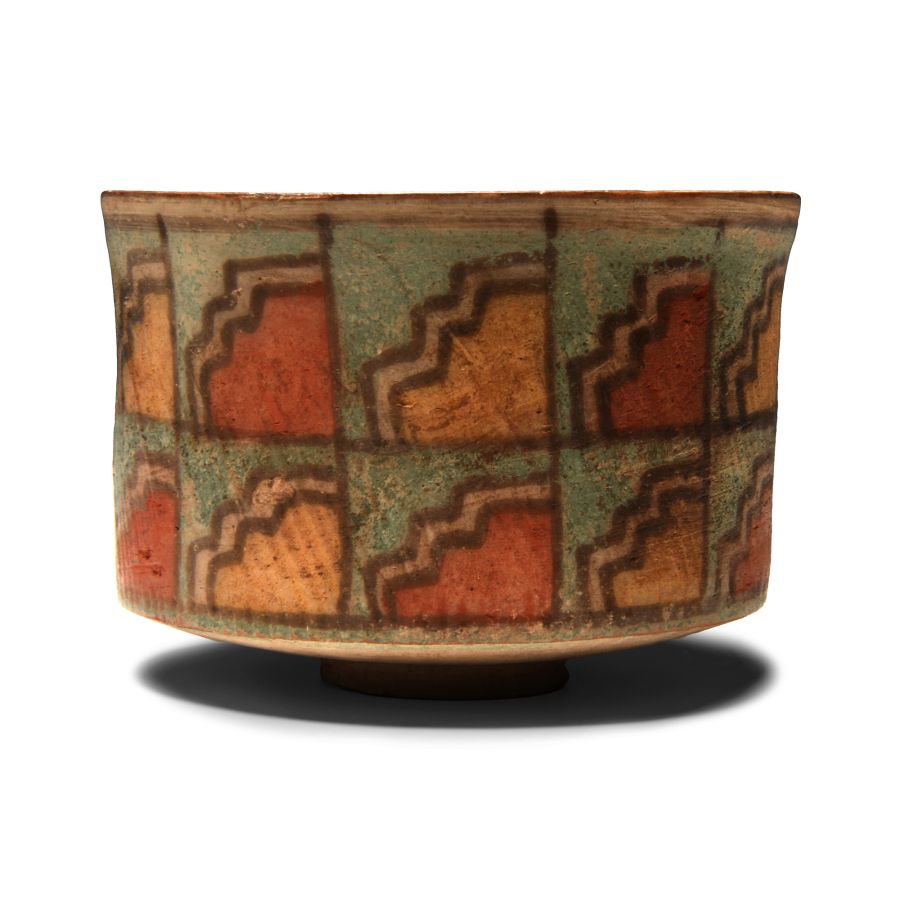
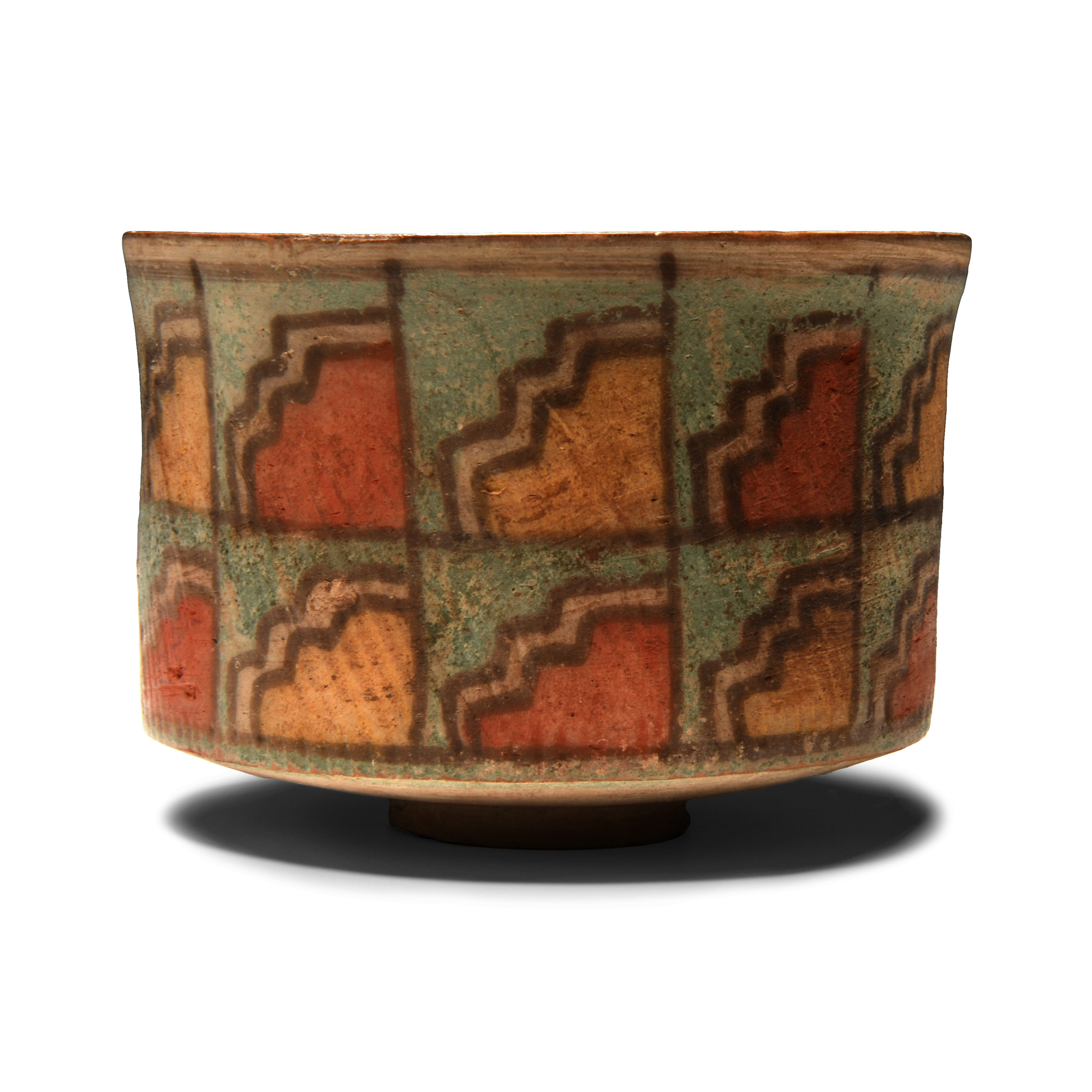
Indus Valley Painted Pottery Bowl
3RD MILLENNIUM B.C.
3 3/8 in. (77 grams, 86 mm).
Drum-shaped with gently carinated base and narrow foot, the outer body displaying polychrome painted panels with 'stairway' design.
ProvenanceAcquired in 2003.
Private collection, Europe.
TimeLine Auctions follows a vetting process to ensure the authenticity and legality of all items, reinforcing our commitment to integrity and responsible trading. Each antiquity, antique, and coin lot undergoes thorough examination by a vetting committee of at least ten external specialists, professional trade association members, scientists, and archaeologists: Our Vetting Process
AUCTIONS:
TimeLine is a leading auction house specialising in antiquities, ancient art, collectables, natural history, coins, medals, and books. Our auctions offer museums, collectors, historians, and enthusiasts the opportunity to acquire unique and historically significant pieces.
LOT 2089
Indus Valley Painted Pottery Bowl
Estimate £800 - 1,000€930 - 1,160 (for guidance only)$1,080 - 1,350 (for guidance only)
-
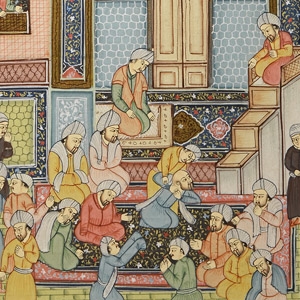
Framed Watercolour Painting
Persia, late 20th century A.D.Sold for (Inc. bp): £33
Showing what appears to be the judgement of a captive man by a nobleman in a lavish court setting, broad border decorated with various plants; mounted in a reveal and a glazed wooden frame. 1 kg, 39.5 x 34.3 cm
Very fine condition.
Acquired on the UK art market, 1980s-1990s. The Woodbridge collection of Indo-Persian art. -
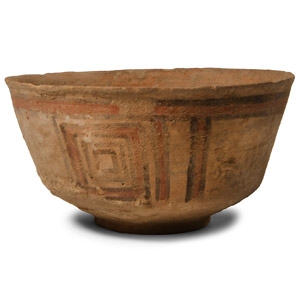
Indus Valley Decorated Terracotta Cup
3rd-2nd millennium B.C.Sold for (Inc. bp): £52
Squat in profile with everted rim, carination and basal ring; painted geometric design to sidewall. 155 grams, 60 mm high
Acquired 1980-2015. Ex Abelita family collection. -
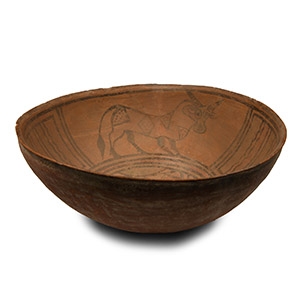
Indus Valley Painted Terracotta Bowl
3rd-2nd millennium B.C.Sold for (Inc. bp): £338
Hemispherical with basal ring, painted design to inner face of geometric panels, an ibex and a bovine. 779 grams, 25.5 cm diameter
Acquired 1990s-2000s. From the late David Gold (d.2015) collection of Indus Valley civilisation pottery. David Gold and his brother were famous for setting up the first clothes shop in Carnaby Street and dressed the famous in the swinging 1960s, making Carnaby Street famous.
