
Loading, please wait...
LOT 2104
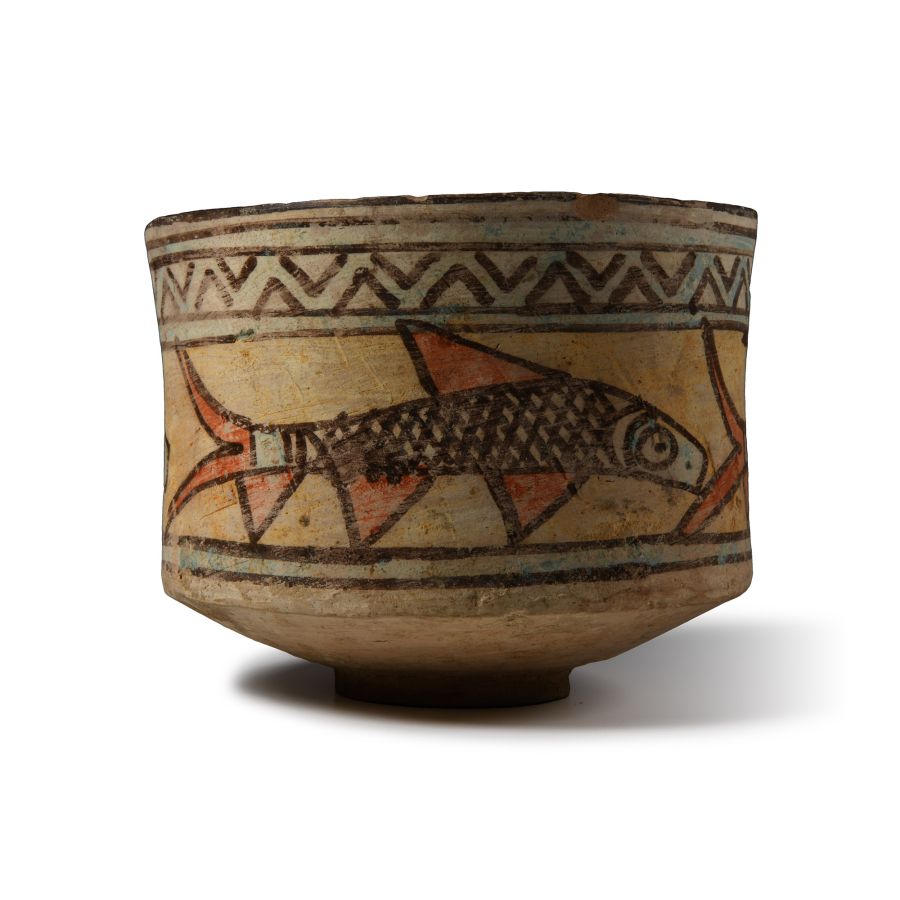
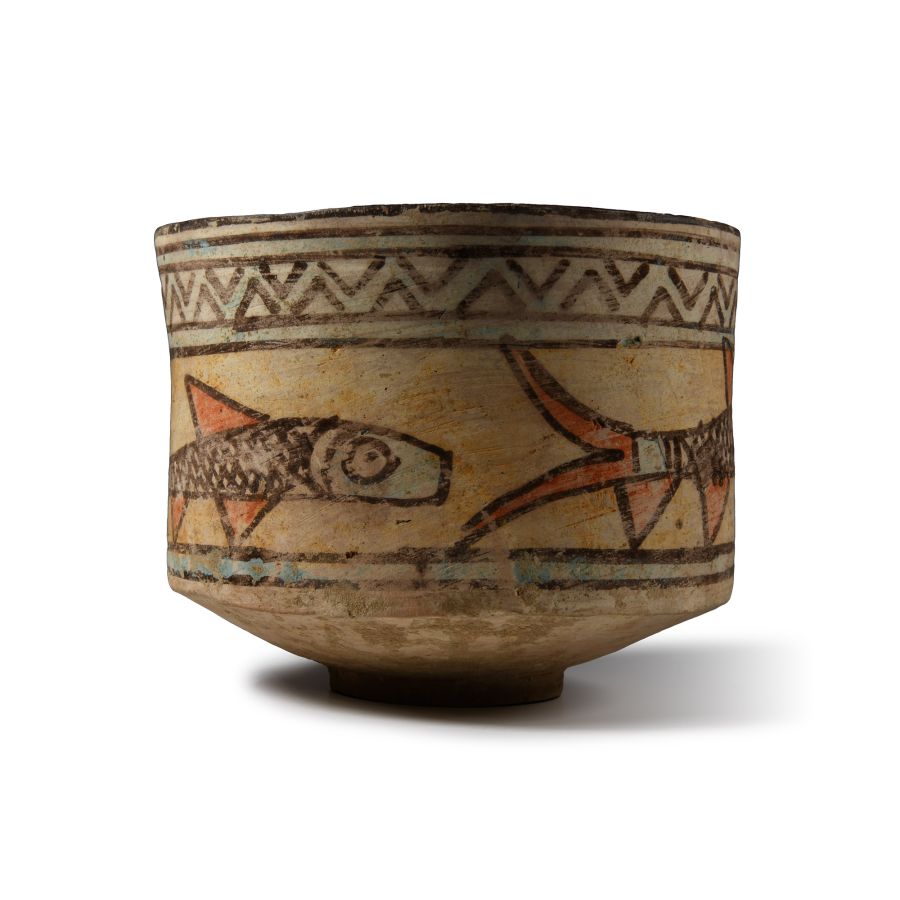
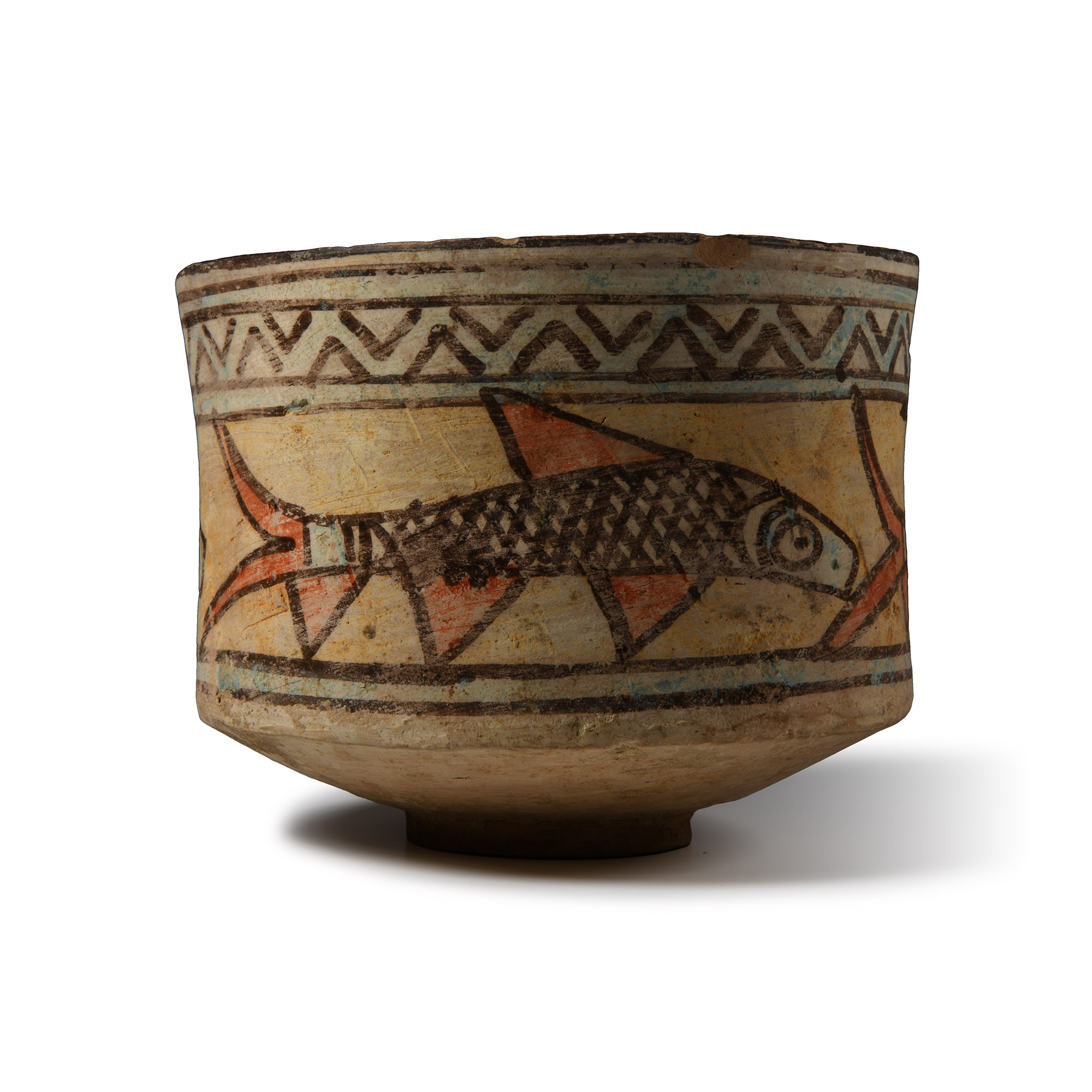
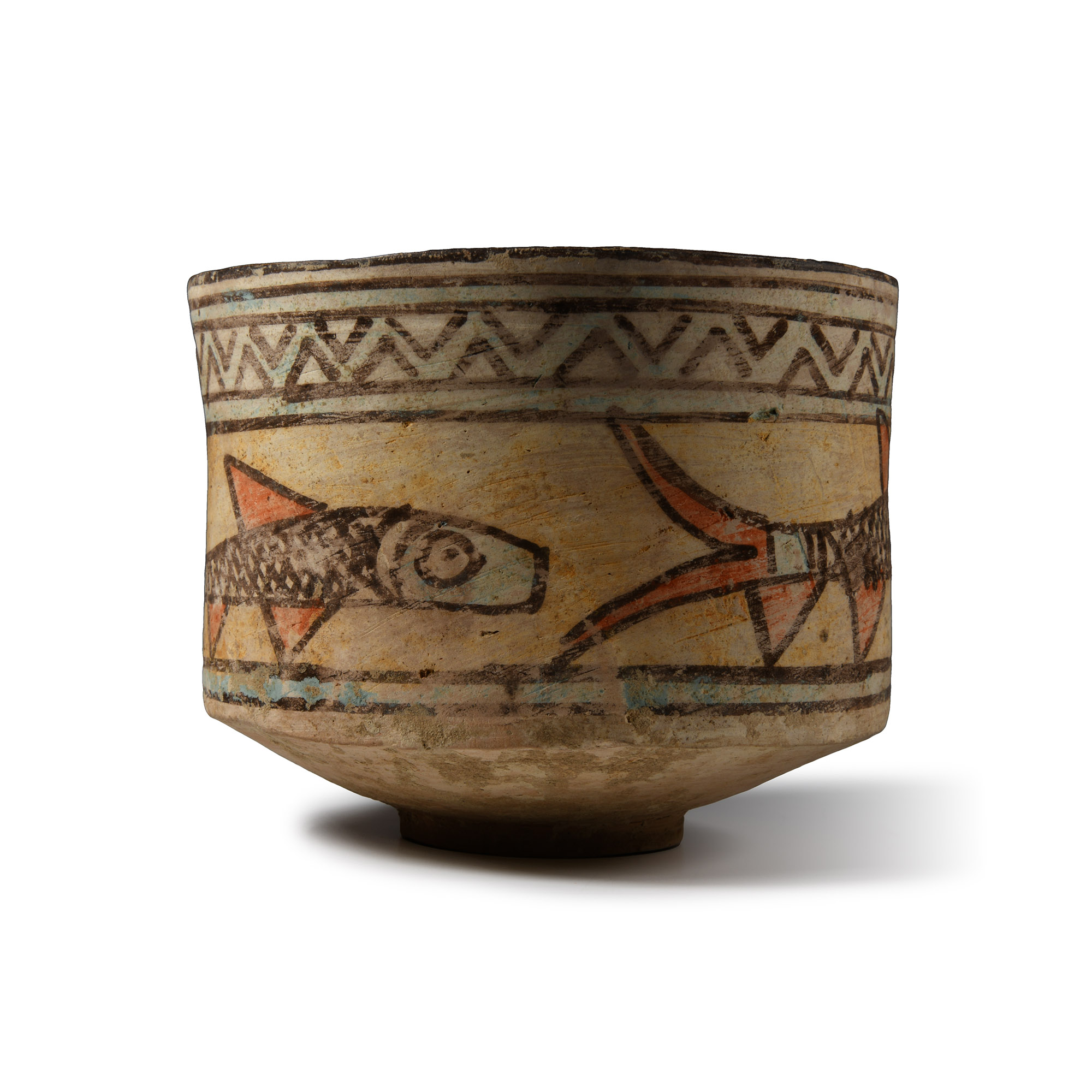
Indus Valley Mehrgarh Polychrome Storage Jar with Fish
2ND MILLENNIUM B.C.
4 in. (145 grams, 10 cm).
Bell-shaped with basal ring, frieze of fishes to the sidewall and zigzag above.
ProvenanceEx London, UK, gallery, 1971-early 2000s.
Accompanied by an original thermoluminescence analysis report no.N111m58 from Oxford Authentication.
TimeLine Auctions follows a vetting process to ensure the authenticity and legality of all items, reinforcing our commitment to integrity and responsible trading. Each antiquity, antique, and coin lot undergoes thorough examination by a vetting committee of at least ten external specialists, professional trade association members, scientists, and archaeologists: Our Vetting Process
AUCTIONS:
TimeLine is a leading auction house specialising in antiquities, ancient art, collectables, natural history, coins, medals, and books. Our auctions offer museums, collectors, historians, and enthusiasts the opportunity to acquire unique and historically significant pieces.
LOT 2104
Indus Valley Mehrgarh Polychrome Storage Jar with Fish
Sold for (Inc. bp): £1,300
-
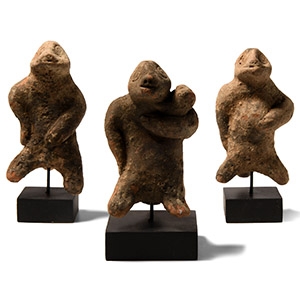
Indus Valley Terracotta Figure Group
2nd millennium B.C.Sold for (Inc. bp): £117
Comprising three simians, one holding her young and the others with hands on hips, each with a stub tail; each mounted on a custom-made display stand. 350 grams total, 10.4-11 cm including stand
From a collection acquired on the UK art market from various auction houses and collections mostly before 2000. From an important Cambridgeshire estate; thence by descent. -
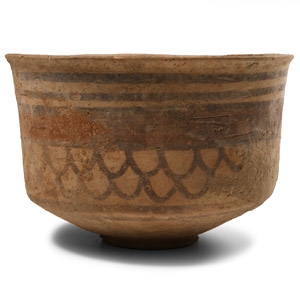
Indus Valley Painted Terracotta Bowl
3rd-2nd millennium B.C.Sold for (Inc. bp): £78
Bell-shaped in profile with painted horizontal bands, scale pattern below. 290 grams, 12 cm
Acquired 1990s-2000s. From the late David Gold (d.2015) collection of pottery.
David Gold and his brother were famous for setting up the first clothes shop in Carnaby Street and dressed the famous in the swinging 1960s, making Carnaby Street famous. -
.jpg)
Indian Framed Watercolour Portrait of 'Amin Kakin'
19th century A.D.Sold for (Inc. bp): £234
Framed and glazed, displaying a portrait of a male figure, possibly Amin Kakin, against a plain background, on paper. 473 grams, 28.5 x 22.2 cm
Acquired by the vendor's father on the UK art market, before 1990.
